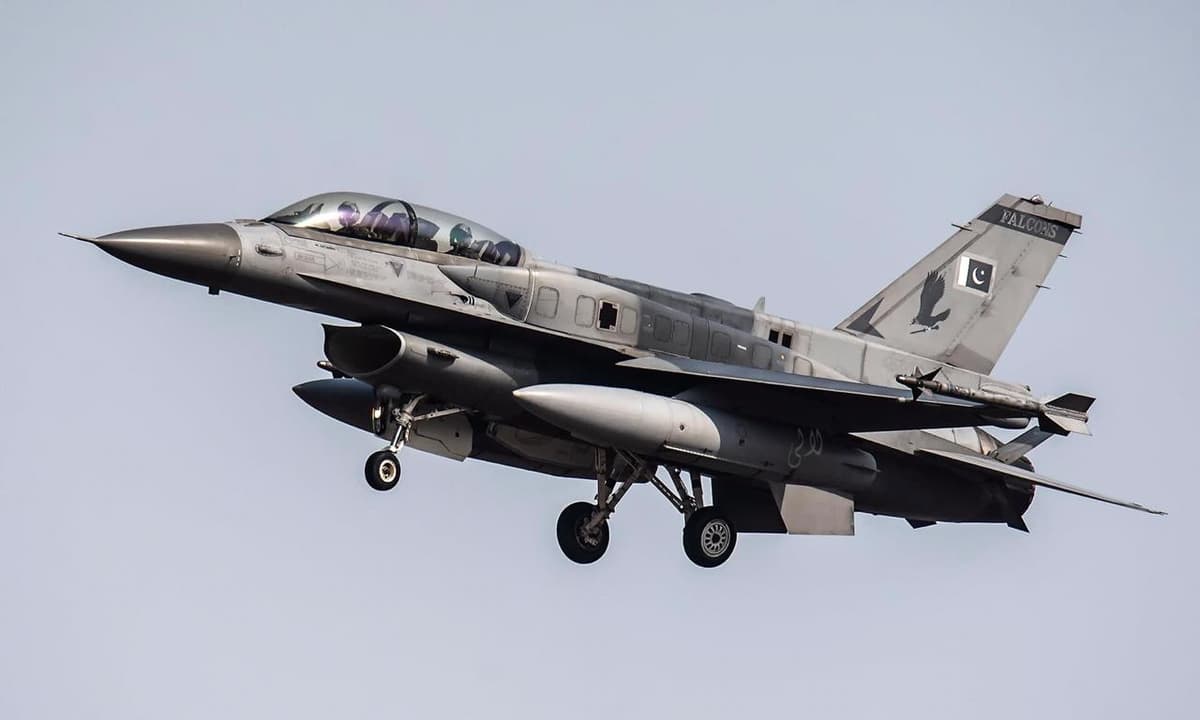
How China Became the Real End-User of U.S. F-16 Tech– Not by Theft, But Institutionalized Access: OPED
Why It Matters
U.S. defense exports that sustain Pakistani F‑16s create a conduit for China to acquire sensitive network‑centric warfare capabilities, reshaping strategic balances in the Indo‑Pacific and raising serious technology‑leakage risks for American defense firms.
Key Takeaways
- •US approved $686 M F‑16 support for Pakistan, including Link 16 upgrades.
- •China can study live US combat systems through Pakistan’s integrated F‑16 fleet.
- •The program risks exposing US network‑centric warfare to Beijing’s analysts.
- •India’s security hinges on US decisions about Pakistan’s F‑16 sustainment.
- •Institutionalized access outweighs traditional theft in technology transfer concerns.
Pulse Analysis
The United States remains one of the world’s largest exporters of advanced fighter aircraft, with the F‑16 serving as a cornerstone of its foreign‑military sales. In December 2025, Washington authorized a $686 million package that goes beyond spare parts, embedding Link 16—a secure, jam‑resistant tactical data link—into Pakistan’s fleet. This upgrade not only extends the aircraft’s service life but also integrates it into a broader network‑centric battlefield, linking air, sea, and ground platforms in near real‑time. For defense contractors, the deal represents significant revenue, yet it also creates a persistent foothold for foreign actors to observe and interact with U.S. technology in operational settings.
China’s ability to acquire cutting‑edge U.S. military capabilities has traditionally relied on espionage, cyber intrusions, or reverse engineering of captured hardware. The op‑ed highlights a subtler, more systematic pathway: institutionalized access through a third‑party operator. By maintaining the F‑16s, training pilots, and supplying mission software within Pakistan—a nation closely aligned with Beijing—Chinese engineers can monitor system behavior, data‑link protocols, and maintenance cycles without ever possessing the aircraft. This continuous exposure transforms the Pakistani platform into a live laboratory, allowing Beijing to catalog electronic signatures, encryption methods, and tactical doctrines, thereby accelerating its own network‑centric warfare development.
The strategic implications are profound for both Washington and New Delhi. While the U.S. portrays the support as a risk‑management measure to keep Pakistani forces safe, the unintended technology transfer erodes confidence in America’s ability to safeguard its defense innovations. For Indian policymakers, the leakage intensifies the threat landscape, as Chinese analysts can refine counter‑measures against Indian air defenses using insights gleaned from the Pakistani F‑16s. The episode underscores the need for tighter end‑use monitoring, revised export controls, and a reassessment of how legacy sales intersect with emerging geopolitical rivalries in the Indo‑Pacific.
How China Became the Real End-User of U.S. F-16 Tech– Not by Theft, But Institutionalized Access: OPED
Comments
Want to join the conversation?
Loading comments...