Why It Matters
The purge undermines the PLA’s operational effectiveness while consolidating Xi’s personal control, raising strategic uncertainty for regional security and U.S.–China competition.
Key Takeaways
- •Xi's military purges reduced top generals from ~40 to few.
- •Loyalty over competence drives PLA restructuring under Xi.
- •Ongoing investigations risk weakening war readiness.
- •Power shift favors political commissars like Zhang Shengmin.
- •U.S. must monitor PLA instability amid rivalry.
Pulse Analysis
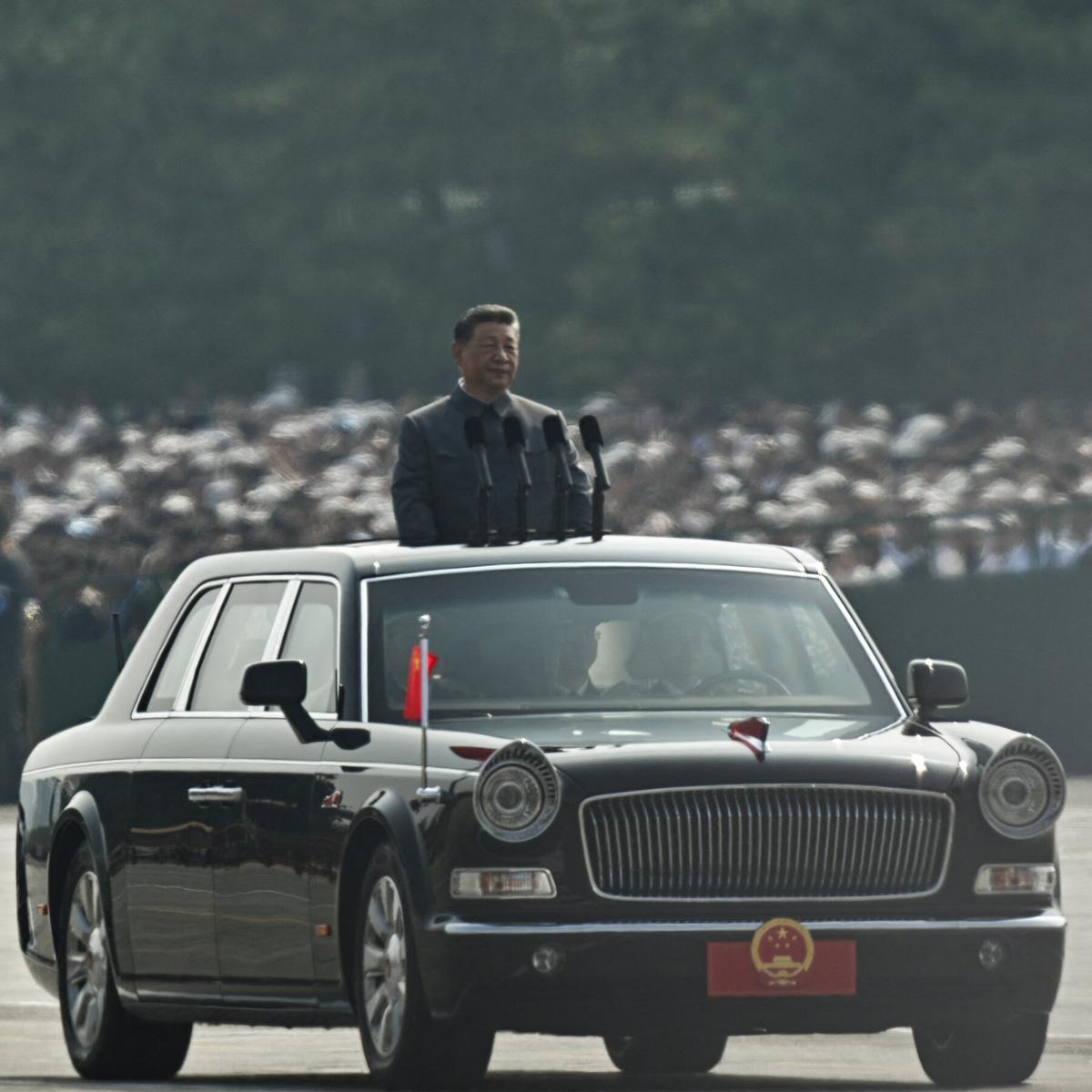
Xi’s crackdown on the Chinese military reflects a broader pattern of authoritarian consolidation that dates back to Mao’s dictum that the party commands the gun. By invoking ancient warnings about “divided hearts,” Xi signals that political reliability now outweighs battlefield expertise. This ideological pivot has led to the removal of seasoned commanders, replacing them with officers whose primary credential is unwavering loyalty. The resulting leadership vacuum risks disrupting the PLA’s ongoing modernization programs, including carrier construction, hypersonic missile development, and nuclear force expansion.
Operationally, the purge creates a paradox: while the party tightens its grip, the PLA’s combat readiness may suffer. Removing experienced generals like Zhang Youxia eliminates institutional memory and disrupts continuity in joint‑force integration. At the same time, the rise of political commissars such as Zhang Shengmin introduces a dual‑track command structure where ideological oversight can conflict with tactical decision‑making. Surveillance tools and anti‑corruption courts further erode trust among senior officers, potentially slowing procurement cycles and training reforms critical to meeting the 2027 capability goals.
For U.S. policymakers and defense analysts, the internal turbulence within China’s armed forces adds a layer of uncertainty to strategic calculations. A PLA weakened by internal strife may be less capable of projecting power, yet the heightened political control could produce a more unpredictable decision‑making environment. Monitoring the balance between loyalty‑driven appointments and professional competence will be essential for assessing China’s future military posture and its impact on regional stability and great‑power competition.
How China’s Leader Lost Faith in His Generals
Comments
Want to join the conversation?
Loading comments...