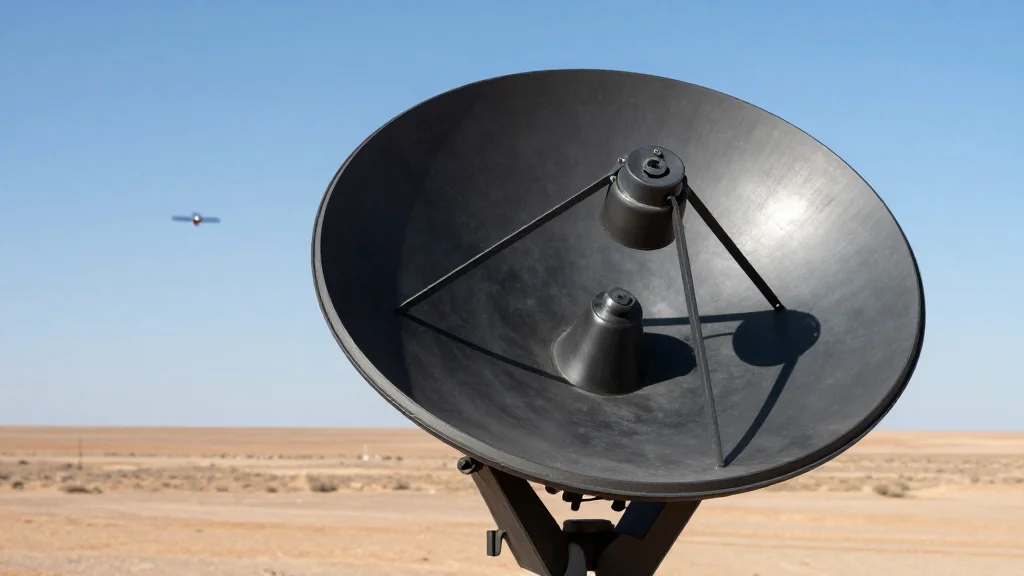
How Chinese Satellites Have Boosted Iran’s War Effort
Why It Matters
Chinese satellite support narrows the U.S. intelligence advantage and deepens Beijing’s strategic partnership with Tehran, reshaping regional security dynamics. The move signals how great powers can leverage space assets to influence conflicts without direct military involvement.
Key Takeaways
- •Chinese satellites supplied real‑time imagery to Iran after U.S. blackout.
- •Beijing avoids direct aid, using space assets to aid Iran’s operations.
- •U.S. satellite denial hampers intelligence, widening strategic advantage for Tehran.
- •Sodium perchlorate shipments hint at possible missile‑propellant assistance.
- •Analysts warn satellite support could deepen China‑Iran military cooperation.
Pulse Analysis
The sudden loss of U.S. satellite coverage over Iran’s conflict zone has forced analysts to reassess the balance of space‑based intelligence. Commercial and military American platforms, once the backbone of real‑time reconnaissance, were either jammed or denied access, leaving Tehran without critical situational awareness. Chinese earth‑observation satellites, already positioned in low‑inclination orbits, stepped in to fill the void, delivering high‑resolution images that enable Iranian forces to track troop movements and target locations with unprecedented speed. This rapid pivot underscores the growing utility of alternative space providers in modern warfare.
Beyond the imagery, China’s calculated restraint—publicly denouncing the U.S.-Israeli strikes while quietly supplying dual‑use materials like sodium perchlorate—highlights a nuanced approach to geopolitical influence. By leveraging its satellite constellation, Beijing offers Iran a strategic edge without crossing the threshold of overt military assistance that could trigger international sanctions. The intelligence gap left by the United States not only hampers its own operational planning but also amplifies Tehran’s confidence, potentially prolonging the conflict and complicating diplomatic de‑escalation efforts.
The episode illustrates a broader shift in how great powers employ space assets to project power indirectly. As the United States grapples with satellite denial tactics, it may accelerate investments in resilient, on‑demand imaging constellations and explore partnerships with allied providers to restore coverage. Meanwhile, China’s willingness to provide reconnaissance services signals its intent to become a go‑to space partner for allies facing U.S. pressure. Policymakers must therefore consider the implications of a fragmented satellite ecosystem where access to real‑time data becomes a lever of influence in regional disputes.
How Chinese satellites have boosted Iran’s war effort
Comments
Want to join the conversation?
Loading comments...