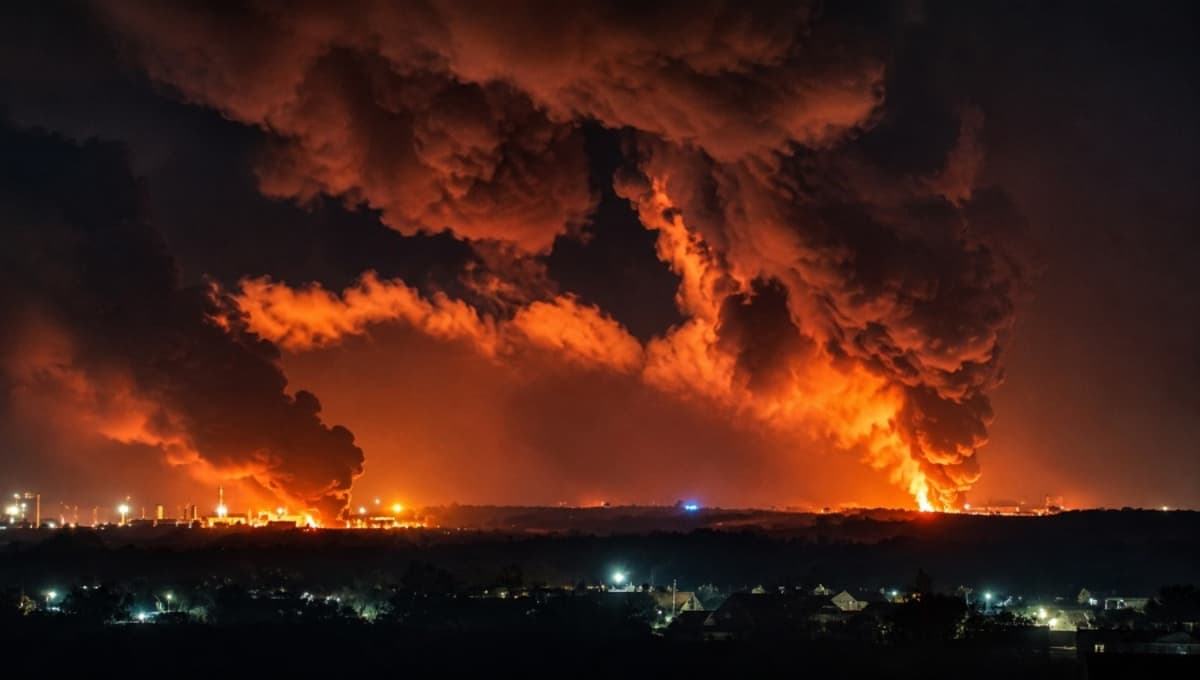
How Effective Are Ukraine’s Drone Strikes at Destroying Russian Refinery Production?
Companies Mentioned
Why It Matters
The strikes target a key revenue source for the Kremlin and could alter European energy supply calculations, yet the limited disruption to Russia’s domestic fuel market underscores the resilience of its energy infrastructure.
Key Takeaways
- •Ukraine plans to produce ~7 million drones in 2024.
- •Reuters cites 40% fall in Russian oil exports after port attacks.
- •Official data shows refinery output down 10‑15%, not a crisis.
- •Belarusian gasoline imports cover a small share of Russia’s demand.
- •Discrepancies arise from using full capacity versus actual throughput.
Pulse Analysis
Ukraine’s drone offensive has evolved from tactical raids to a strategic, high‑volume campaign aimed at choking Russia’s cash‑cow oil sector. By the end of 2024 Kyiv expects to field up to seven million unmanned aircraft, many equipped with longer‑range capabilities that can reach inland refineries previously out of reach. While payload limits prevent a single strike from crippling a plant, repeated hits can force temporary shutdowns, generate fires, and create logistical headaches for Russian operators. The sheer scale of the effort signals a shift from ad‑hoc sabotage to sustained pressure on a vital export earner.
The actual impact on Russian oil output remains contested. Reuters’ analysis, based on total refinery capacity, suggests a 40% drop in oil exports and a quarter of refining capacity offline, painting a dramatic picture of disruption. In contrast, Russian ministries and independent experts argue that most facilities are merely throttling production, with output reductions hovering around 10‑15% and domestic gasoline markets staying stable. The methodological divide—capacity versus real‑time throughput—explains the divergent narratives and highlights the difficulty of measuring damage in a fluid conflict environment.
For global energy markets, the uncertainty matters. Even a modest dip in Russian fuel supplies can tighten European import calculations, especially as the continent seeks to diversify away from Moscow. Russia’s short‑term mitigation—importing roughly 17,000 tonnes of gasoline from Belarus and relying on strategic reserves—has kept pump prices largely flat, but the reliance on external sources could become a lever in future negotiations. As both sides adapt, the drone campaign will likely continue to test the elasticity of Russia’s refining network and influence the geopolitical calculus surrounding energy security.
How effective are Ukraine’s drone strikes at destroying Russian refinery production?
Comments
Want to join the conversation?
Loading comments...