Why It Matters
The upgraded KPA poses a more capable, faster‑reacting adversary, forcing U.S. and South Korean planners to rethink deterrence and force posture on the DMZ.
Key Takeaways
- •12,000 KPA troops deployed in Ukraine since October 2024
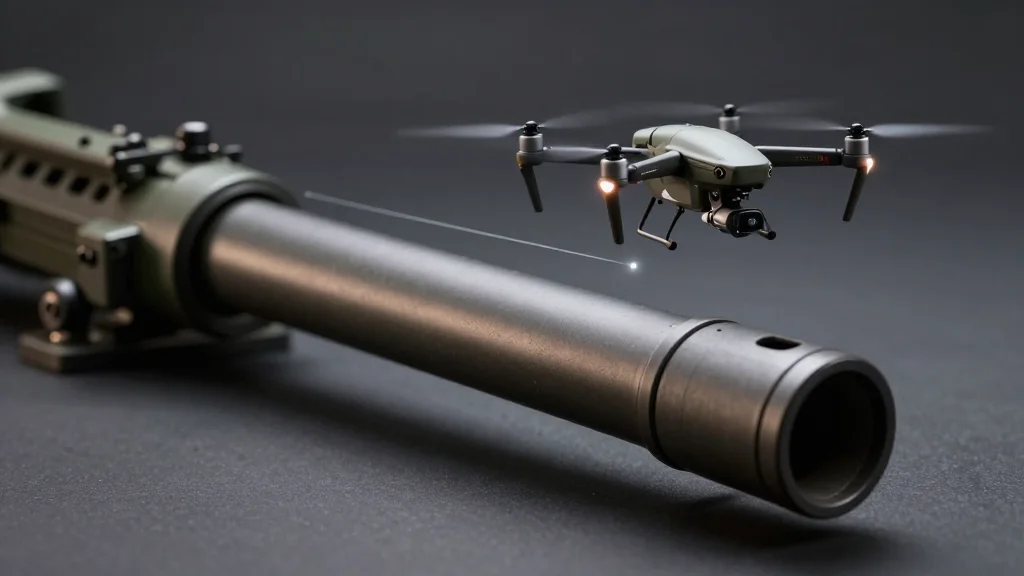
- •KPA now fuses reconnaissance drones with artillery, cutting sensor‑to‑shooter time
- •Russian CNC tech enables faster missile and UAV production in North Korea
- •AI‑driven drones and anti‑satellite weapons become top strategic assets
- •KPA doctrine shifts to small‑unit, networked operations after Ukraine lessons
Pulse Analysis
North Korea’s defence overhaul reflects a rare convergence of battlefield learning and external support. After sending roughly 12,000 troops to the Kursk front in Ukraine, the Korean People’s Army (KPA) observed the decisive role of real‑time intelligence and precision fire. By embedding commercial‑grade reconnaissance drones into artillery and multiple‑launch rocket‑system (MLRS) loops, the KPA compressed its sensor‑to‑shooter timeline from hours to minutes, a capability previously absent from its Soviet‑legacy doctrine. This operational shift signals a broader move away from massed infantry assaults toward agile, data‑driven fire‑team tactics.
The partnership with Russia has supplied the technical backbone for this transformation. Russian‑sourced computer‑numerical‑control (CNC) machines now populate North Korean missile factories in Jajang Province, accelerating production cycles for both short‑range rockets and larger ballistic missiles. Simultaneously, Russian assistance has jump‑started an AI‑driven drone ecosystem, with the Panghyon Airbase emerging as a hub for large UAV assembly and "x‑wing" suicide drones. The integration of electronic‑warfare suites and AI‑assisted targeting further enhances the KPA’s ability to conduct autonomous strike missions and jam adversary sensors, narrowing the technology gap with more advanced militaries.
For U.S. and Republic of Korea defence planners, the implications are immediate and profound. A KPA that can field AI‑enabled drones, rapid‑production missiles, and a networked command structure challenges traditional deterrence calculations on the Korean Peninsula. The shift to small‑unit, network‑centric operations reduces the predictability of North Korean maneuvers, complicating intelligence assessments and response timelines. Consequently, Washington and Seoul must accelerate their own investments in counter‑UAV systems, electronic‑warfare resilience, and joint all‑domain command and control to maintain a credible edge over a modernising adversary.
How North Korea is Modernising its Defence
Comments
Want to join the conversation?
Loading comments...