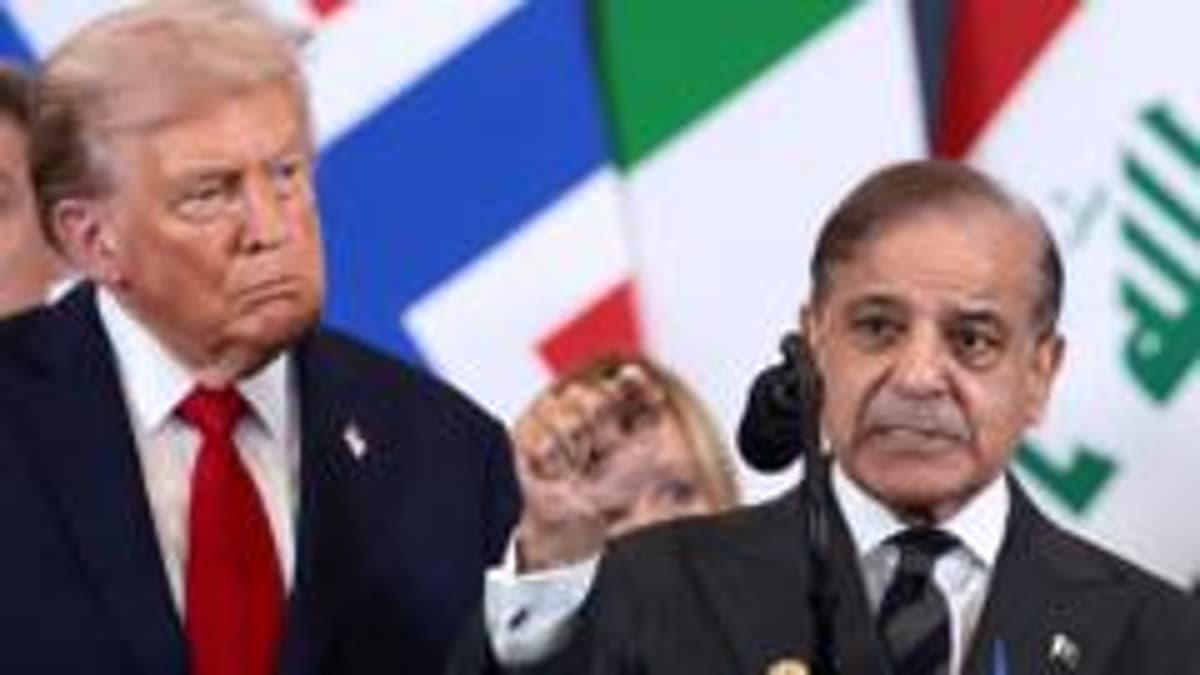
How Pakistan Helped Secure a Fragile Ceasefire Between the US and Iran
Why It Matters
Pakistan’s mediation helped defuse a flashpoint that could have spiraled into broader regional conflict, underscoring its growing diplomatic clout in Middle‑East security dynamics.
Key Takeaways
- •Pakistan relayed messages between US and Iran during escalating tensions.
- •Pakistani officials facilitated a two‑week ceasefire announced April 10.
- •Prime Minister urged Trump to extend deadline and keep Strait of Hormuz open.
- •Pakistan’s defence pact with Saudi Arabia added pressure on Iran to negotiate.
Pulse Analysis
The United States and Iran have been locked in a dangerous tit‑for‑tat cycle, with recent strikes on Saudi Arabia and an Israeli attack on Iranian soil raising the specter of a wider war. Traditional diplomatic channels were strained, prompting both sides to seek alternative routes. Pakistan, sharing a long border and cultural ties with Iran, leveraged its historic relationship to become a discreet conduit, allowing each side to test concessions without public posturing. This back‑channel approach proved vital when official talks stalled, offering a low‑profile venue for candid exchanges.
Behind the scenes, a tight‑knit Pakistani team—comprising senior military officials and foreign‑policy advisers—coordinated real‑time communications, while the prime minister used social media to signal progress and press President Trump for a two‑week extension of the cease‑fire window. Pakistan’s defence pact with Saudi Arabia, though not invoked, served as a subtle lever, reminding Tehran of the broader regional stakes. The country’s dual alignment—maintaining a "brotherly" rapport with Tehran while honoring ties to Riyadh—allowed it to pressure Iran toward restraint without alienating either partner.
The cease‑fire’s fragility underscores that diplomatic breakthroughs in the Middle East remain precarious, but Pakistan’s role signals a shift toward regional actors filling gaps left by traditional powers. For Washington, the episode offers a template for leveraging allied intermediaries to manage crises, while Tehran may view Pakistan as a pragmatic partner capable of balancing its strategic interests. As negotiations move to Islamabad, the world will watch whether Pakistan can translate this temporary lull into a durable de‑escalation, potentially reshaping its standing as a diplomatic bridge in a volatile region.
How Pakistan helped secure a fragile ceasefire between the US and Iran
Comments
Want to join the conversation?
Loading comments...