How Pakistan Outmanoeuvred India in Iran War Diplomacy with China’s Help
Why It Matters
Pakistan’s China‑backed mediation reshapes South Asian diplomatic dynamics and underscores Beijing’s leverage over energy flows, while the stalled U.S.–Iran talks keep regional tensions high and markets volatile.
Key Takeaways
- •Pakistan hosted US‑Iran talks, leveraging China partnership.
- •India’s economy and defence budget dwarf Pakistan’s.
- •China receives all Iranian oil shipments, protecting energy flow.
- •Iran rejected US nuclear terms, ending talks without a deal.
- •Crude prices near $100 as Gulf tensions threaten markets.
Pulse Analysis
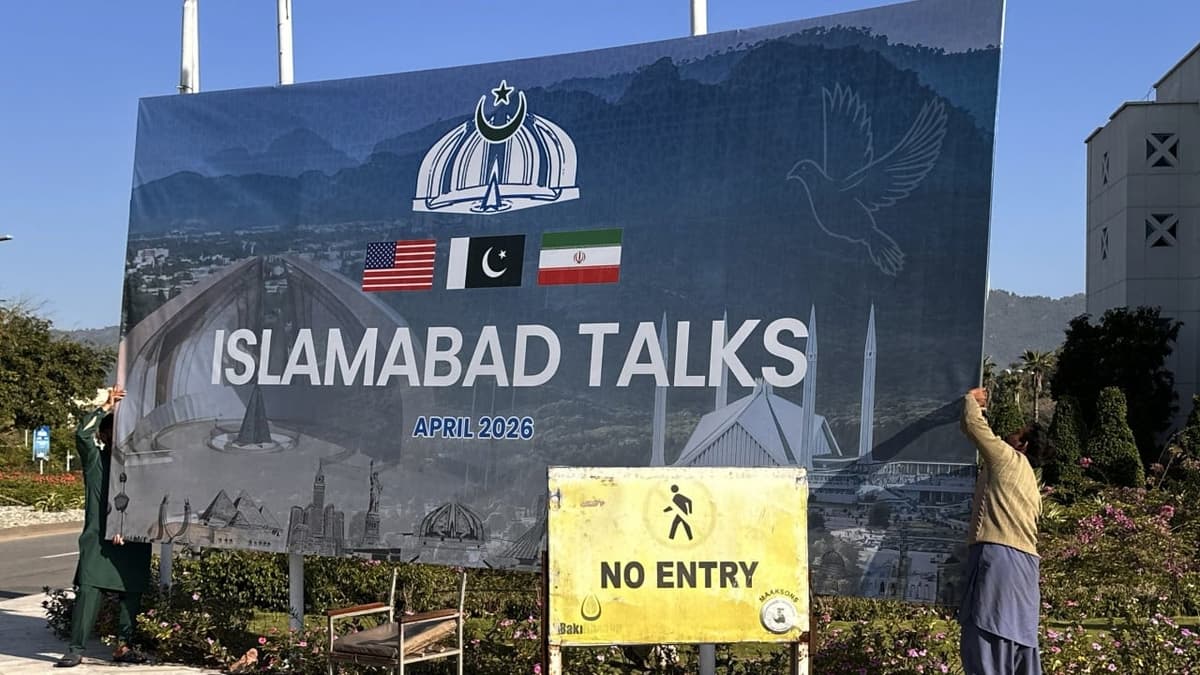
The Islamabad talks revealed a rare moment where Pakistan, traditionally the junior partner to India, stepped into a diplomatic spotlight by offering a neutral venue for U.S.–Iran negotiations. This move was not accidental; Beijing’s deepening security and economic ties with Islamabad gave Pakistan the leverage to position itself as a conduit for dialogue, even as the talks collapsed. By aligning with China, Pakistan signaled its willingness to serve as a strategic bridge between Tehran and the broader international community, a role that could translate into future bargaining chips in multilateral forums.
India’s sheer scale— a $4.5 trillion economy, an $85 billion defence budget, and annual exports exceeding $714 billion—still dwarfs Pakistan’s $410 billion GDP and $9 billion defence spend. Yet crises often reorder relevance, and Pakistan’s facilitation of the talks demonstrated how geopolitical relevance can be situational rather than purely structural. For New Delhi, the episode underscores the need to diversify diplomatic channels beyond traditional Western alliances, especially as Beijing’s influence deepens across South Asia through infrastructure projects and security cooperation.
Energy markets felt the ripple effect immediately. Iran has routed more than 11 million barrels of crude daily through the Strait of Hormuz to China, insulating Beijing from supply shocks while keeping global oil prices anchored near $100 per barrel. The inability of the U.S. and Iran to reach a nuclear accord leaves the Gulf volatile, prompting investors to watch closely for any escalation that could constrict flow. For policymakers, the episode highlights how diplomatic dead‑ends can amplify commodity price pressures, reinforcing the strategic importance of alternative energy pathways and the role of regional powers in stabilising—or destabilising—global markets.
How Pakistan outmanoeuvred India in Iran war diplomacy with China’s help
Comments
Want to join the conversation?
Loading comments...