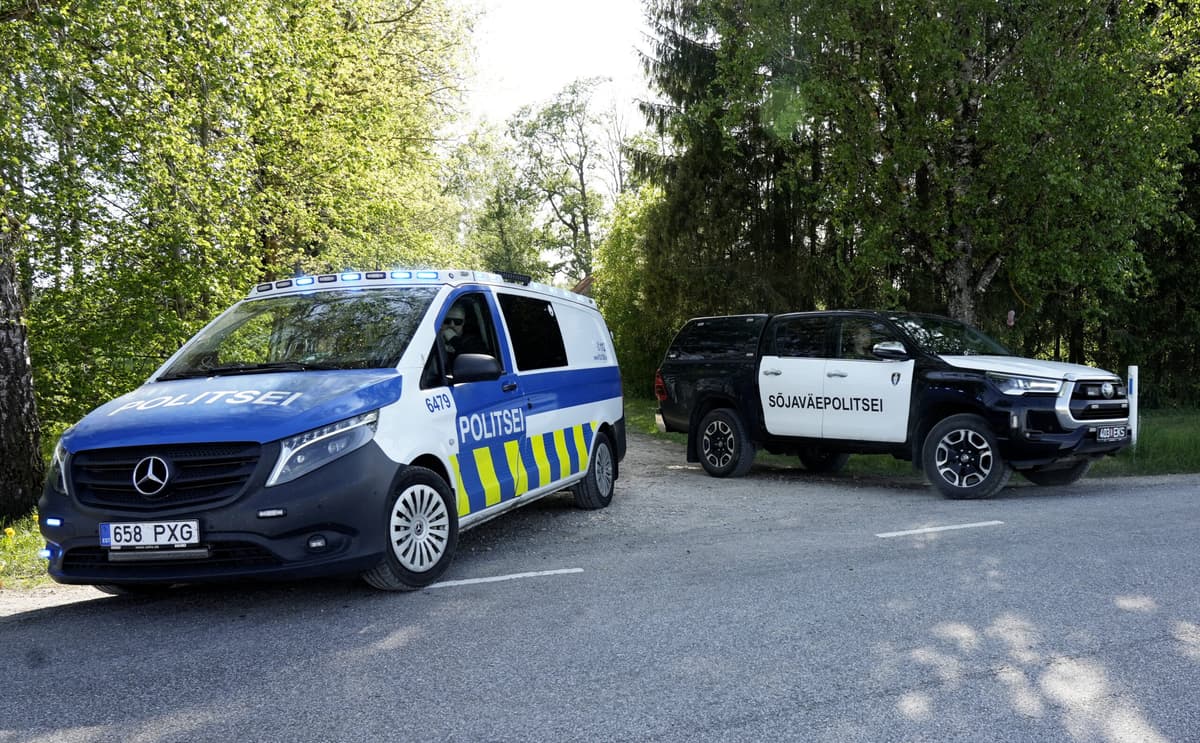
How Russia Exploits Drone Incursions in the Baltics—And How to Respond
Why It Matters
The spillover of Ukraine’s long‑range drone campaign threatens NATO’s collective defense credibility and could destabilize Baltic democracies, undermining the alliance’s unified response to Russian aggression.
Key Takeaways
- •Romanian F‑16 shot down a drone over Estonia, highlighting rising incursions
- •Ukrainian drones are being jammed, rerouted into Baltic airspace by Russia
- •Moscow frames incidents as Baltic support for Ukraine to sow political doubt
- •Baltic states lack a layered counter‑drone system, creating a security gap
- •Joint training with Ukraine is proposed to harden Baltic air defenses
Pulse Analysis
The recent wave of drone sightings across Estonia, Latvia, Lithuania and even Finland reflects a new dimension of the Russia‑Ukraine conflict: the weaponization of air‑space ambiguity. As Ukrainian long‑range UAVs target Russian energy infrastructure, Russian electronic‑warfare units are increasingly scrambling their navigation, causing them to stray into NATO’s eastern perimeter. Moscow then amplifies these events through diplomatic channels and media, accusing the Baltic states of facilitating attacks on Russian soil. This narrative aims to shift the political cost of Ukraine’s strikes onto NATO allies, testing the alliance’s resolve and public patience in countries already grappling with security fatigue.
For NATO and the Baltic members, the challenge is twofold. First, they must preserve strategic clarity that Ukraine’s strikes are legitimate responses to Russian aggression, not provocations against allies. Second, they need to operationalize that clarity by closing the counter‑drone gap. Fighter jets, while valuable for high‑altitude threats, are ill‑suited to intercept low‑cost UAVs. A layered architecture—combining low‑altitude radar, mobile interception teams, electronic‑warfare monitoring and rapid attribution protocols—offers a cost‑effective shield. Such systems not only neutralize stray drones before they become political flashpoints but also reinforce public confidence in the allies’ defensive capabilities.
Collaboration with Ukraine emerges as a strategic lever. Kyiv has amassed extensive experience countering Russian jamming, spoofing and adaptive drone tactics. By sharing electronic‑warfare expertise, sensor data and interception doctrines, the Baltic states can accelerate the deployment of resilient air‑defense networks. This partnership also sends a clear signal to Moscow: attempts to weaponize drone spillover will be met with coordinated, technologically sophisticated resistance, denying Russia any political leverage and strengthening NATO’s eastern flank.
How Russia exploits drone incursions in the Baltics—and how to respond
Comments
Want to join the conversation?
Loading comments...