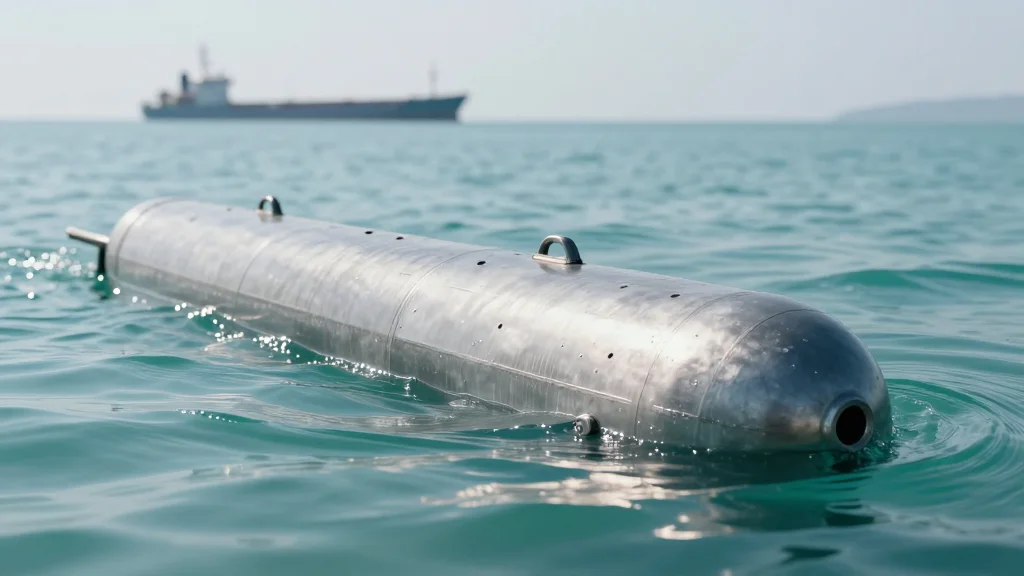
How Serious Is the Iranian Sea Mine Threat in the Strait of Hormuz?
Why It Matters
Disruption of the Strait of Hormuz would spike shipping costs and heighten geopolitical risk, while allowing Iran to set tolls creates a dangerous precedent for future maritime coercion.
Key Takeaways
- •Iran stockpiles >5,000 sea mines, per U.S. Defense Intelligence Agency.
- •Maham 3 and Maham 7 mines can target deep and shallow vessels.
- •Tehran may use mines to force tolls on oil tankers.
- •Mine‑clearance operations can take months and need specialized vessels.
- •Disruption could affect 20% of global oil and gas flow.
Pulse Analysis
The Strait of Hormuz remains one of the world’s most vulnerable chokepoints, funneling an estimated 20 percent of daily oil and gas shipments. Iran’s ability to field a sizable inventory of inexpensive sea mines—over 5,000 according to U.S. estimates—adds a low‑cost, high‑disruption lever to its strategic toolbox. Modern influence mines such as the Maham 3 and Maham 7 can detonate beneath a vessel’s keel or in shallow water, creating shockwaves that damage propulsion and cargo systems without necessarily sinking the ship. This blend of simplicity and lethality makes mines an attractive option for Tehran to signal resolve while keeping operational costs low.
Beyond the physical danger, the mine threat carries significant economic and diplomatic weight. By declaring a “danger zone” and demanding a $2 million toll per tanker, Iran seeks to monetize the strait and force international shipping firms into a costly compliance regime. Such a precedent could embolden other regional actors to weaponize maritime routes, destabilizing global energy markets and prompting insurance premiums to rise sharply. The uncertainty surrounding mine locations also forces carriers to reroute, extending transit times and increasing fuel consumption, which reverberates through supply chains and end‑consumer prices.
Mitigating the mine risk is technically demanding and time‑intensive. Effective clearance relies on autonomous underwater vehicles, high‑resolution sonar, and dedicated mine‑countermeasure vessels—assets that are scarce and often tied up in broader naval commitments. Until a multinational coalition can secure control of the waterway, the West’s ability to conduct sustained sweep operations remains limited. In the interim, stakeholders must balance diplomatic pressure on Tehran with contingency planning, including diversified routing and heightened vessel hardening, to preserve the flow of energy commodities through this critical artery.
How serious is the Iranian sea mine threat in the Strait of Hormuz?
Comments
Want to join the conversation?
Loading comments...