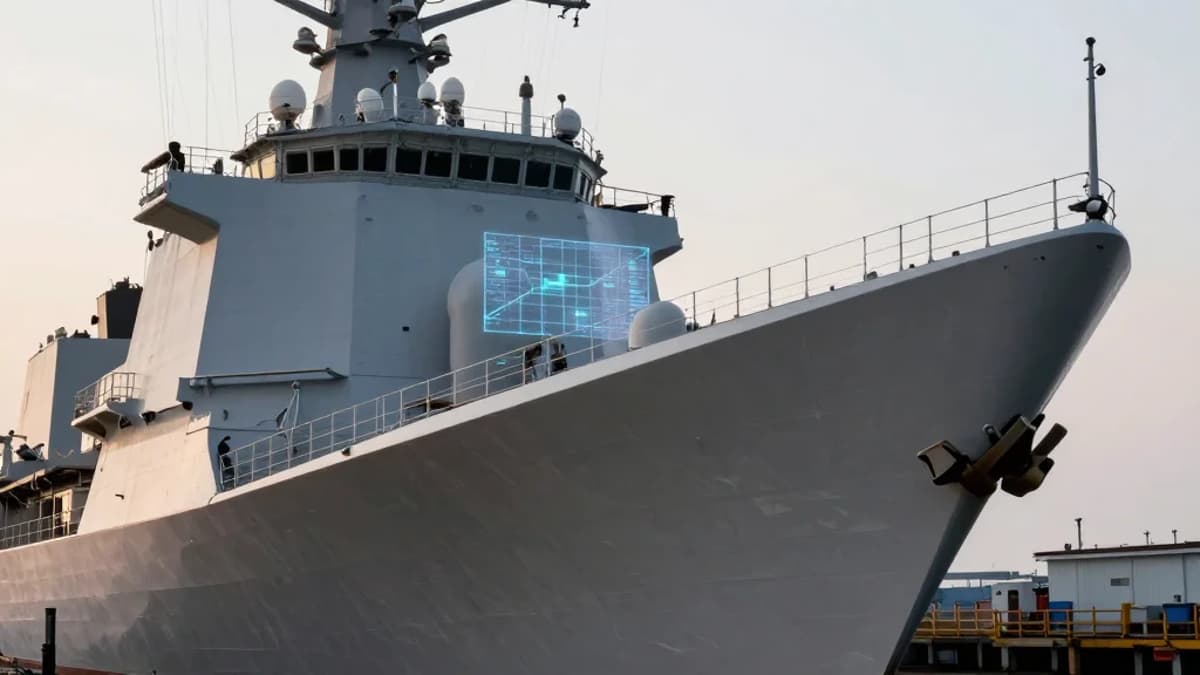
How the Golden Fleet Will Change the US Navy Acquisition Process
•February 24, 2026
0
Why It Matters
Faster, AI‑driven procurement will boost naval readiness and reduce lifecycle costs, reshaping defense supply chains.
Key Takeaways
- •AI-driven design cuts ship development cycles.
- •Vendor pool expansion boosts competition and innovation.
- •Bureaucracy reduction targets faster procurement timelines.
- •Real-time scheduling tools improve resource allocation.
- •Program aims to eliminate readiness‑eroding backlogs.
Pulse Analysis
Historically, the U.S. Navy’s acquisition pipeline has been plagued by lengthy development cycles, cost overruns, and a labyrinthine bureaucracy that often stalls critical capability delivery. Traditional shipbuilding programs, such as the DDG‑51 Arleigh Burke class, have demonstrated how incremental upgrades can become mired in procedural delays, eroding fleet readiness and inflating budgets. The Golden Fleet initiative emerges as a corrective measure, aiming to replace legacy processes with data‑driven decision‑making and a leaner organizational structure.
At the core of the Golden Fleet strategy is the integration of artificial intelligence into both design and scheduling phases. AI‑enabled modeling can simulate performance trade‑offs in weeks rather than months, allowing engineers to iterate rapidly and identify optimal configurations early. Coupled with real‑time scheduling platforms, the Navy can synchronize supply chains, allocate shipyard capacity, and forecast milestones with unprecedented precision. Expanding the vendor ecosystem further injects competition, encouraging innovative solutions from non‑traditional defense contractors and reducing reliance on a handful of legacy suppliers.
The ripple effects extend beyond the Pentagon. Faster ship delivery timelines translate into earlier operational capability, enhancing deterrence and power projection. Industry players stand to benefit from clearer procurement windows and reduced risk, potentially lowering overall program costs. Moreover, the adoption of AI and open‑source collaboration signals a broader shift toward digital transformation in defense, setting a precedent that could influence acquisition reforms across other services and allied navies.
How the Golden Fleet will change the US Navy acquisition process
0
Comments
Want to join the conversation?
Loading comments...