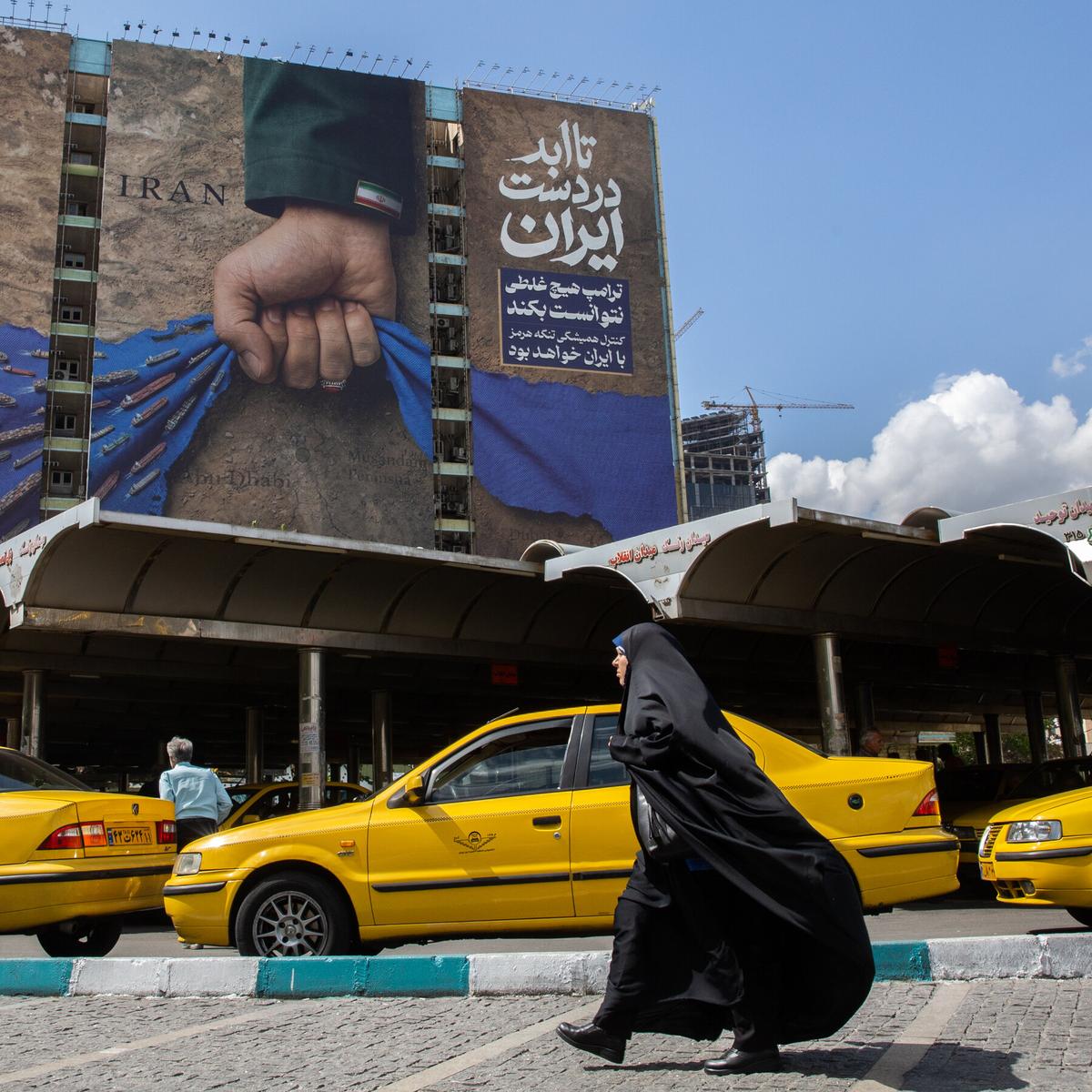
How the Iran War Is Morphing Into a Volatile Standoff in the Strait of Hormuz
Why It Matters
Control of the Hormuz chokepoint directly affects global oil supplies, so a prolonged standoff threatens energy markets and U.S. strategic credibility in the Middle East.
Key Takeaways
- •Iran's naval forces hidden in Hormuz sea caves, threatening shipping
- •Trump orders US Navy to fire on any vessel laying mines
- •Cease‑fire extended indefinitely, but both sides maintain aggressive posturing
- •Brookings expert warns prolonged standoff could disrupt global oil flow
Pulse Analysis
The Strait of Hormuz, a 21‑mile-wide channel through which roughly 20% of the world’s oil passes, has become the latest arena for U.S.–Iran tensions. Iran’s claim that its fighters are entrenched in sea caves signals a shift toward asymmetric naval tactics, leveraging the narrow waterway’s geography to deter U.S. vessels. In response, President Trump’s public directive to shoot any boat deploying mines underscores a willingness to use kinetic force, raising the specter of a direct naval clash that could quickly spiral beyond the Gulf.
Beyond the immediate military calculus, the standoff carries outsized economic ramifications. Any disruption to Hormuz traffic would tighten global oil supplies, likely spiking Brent and WTI prices and prompting a scramble for alternative routes or strategic reserves. Shipping insurers have already hiked premiums for vessels transiting the area, and regional exporters face mounting pressure to reroute cargo, inflating logistics costs. The uncertainty also reverberates through downstream markets, from gasoline pumps in the United States to petrochemical plants in Asia, amplifying the incentive for diplomatic de‑escalation.
Domestically, Trump’s hard‑line posture is a double‑edged sword. While it appeals to a base that favors a robust stance against Iran, the escalating costs—both financial and political—risk alienating moderate voters and congressional leaders wary of another costly Middle‑East entanglement. Experts at Brookings suggest that without a clear diplomatic pathway, the United States may find its strategic credibility eroded, prompting allies to question its commitment to regional security. The coming weeks will test whether the cease‑fire holds or whether the Hormuz standoff becomes the flashpoint for a broader conflict.
How the Iran War Is Morphing Into a Volatile Standoff in the Strait of Hormuz
Comments
Want to join the conversation?
Loading comments...