How the Pentagon Plans to Spend $50 Billion on Drone Warfare
Why It Matters
A $50 billion infusion will dramatically speed the fielding of autonomous weapons, reshaping U.S. procurement and giving the military a decisive edge in contested environments. The open‑architecture push lowers barriers for innovators, potentially overhauling the defense industrial base.
Key Takeaways
- •Pentagon earmarks $50 billion, over 200× its 2026 drone budget
- •Expanded “Blue List” lets units buy more drone vendors quickly
- •Defense Autonomous Warfare Group will bulk‑produce existing platforms
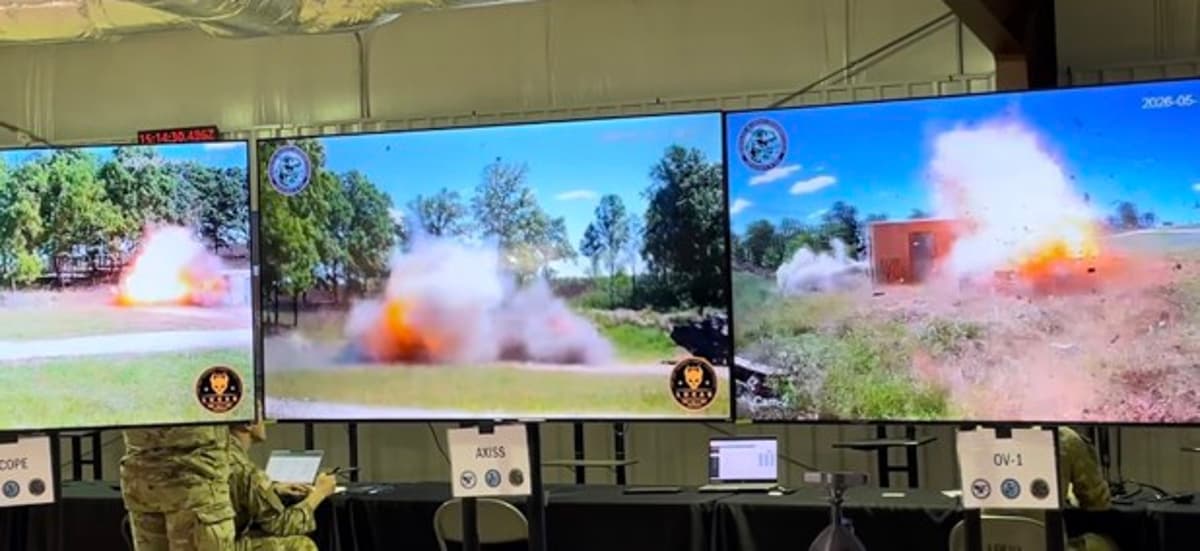
- •Ukrainian startups proved rapid prototyping in Gauntlet 1 trials
- •SOUTHCOM pushes open‑architecture data networks for plug‑and‑play drones
Pulse Analysis
The $50 billion allocation marks an unprecedented commitment to unmanned systems, dwarfing the Pentagon’s prior drone spending and rivaling the GDP of small nations. By funneling funds through the Defense Autonomous Warfare Group, the services can scale production of proven airframes while still investing in next‑generation concepts. This dual‑track approach mitigates risk: mature platforms meet immediate operational needs, and experimental technologies receive the resources to mature faster than in traditional acquisition cycles.
A key reform is the expansion of the “Blue List,” a curated roster of vetted drone manufacturers. Previously, the list’s narrow scope forced units to purchase in small, fragmented blocks, slowing innovation. Opening the list enables rapid, unit‑level procurement and invites emerging firms—like Saronic’s unmanned surface vessels and SplashOne’s autonomous quadcopter shooters—to compete for large contracts. The Pentagon’s Gauntlet 1 trials, which showcased Ukrainian and UK‑Ukrainian collaborations, underscore the strategic value of fast‑track prototyping events that can translate battlefield‑tested solutions into procurement pipelines.
Beyond hardware, the Pentagon is building a data‑centric ecosystem. SOUTHCOM’s autonomous warfare command is developing an open‑architecture network that abstracts the data layer from the physical platform, allowing any compliant drone to plug into the same operational picture. This philosophy reduces vendor lock‑in, accelerates integration, and supports multi‑domain operations where air, sea, and ground assets must coordinate in real time. For industry, the message is clear: technical excellence must be paired with interoperable data standards, or even the most capable system will be sidelined. The $50 billion spend, therefore, is as much about fostering a flexible, networked approach as it is about buying more drones.
How the Pentagon plans to spend $50 billion on drone warfare
Comments
Want to join the conversation?
Loading comments...