Why It Matters
Without a regional MCM presence, the UK’s ability to protect vital trade routes and project maritime influence in the Middle East is severely weakened, increasing reliance on U.S. assets and exposing allies to heightened security risks.
Key Takeaways
- •UK retired all Sandown and most Hunt-class MCM vessels by Jan 2026.
- •No crewed mine‑countermeasure ships remain in the Gulf region.
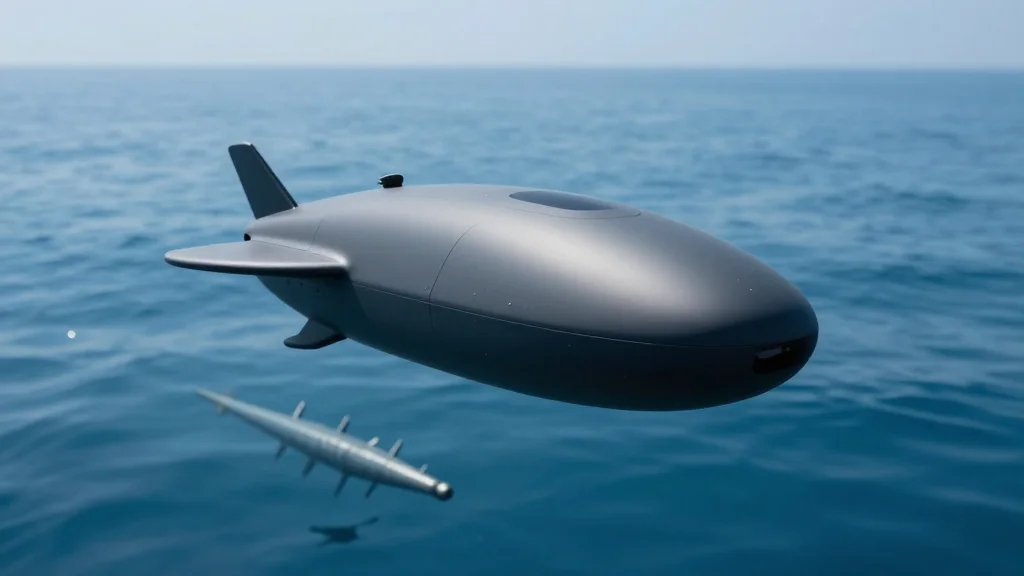
- •ARCIMS uncrewed system delivered but lacks a host vessel for operations.
- •UK now depends on US Navy for Strait of Hormuz mine‑sweeping.
- •Planned mothership conversions (RFA Stirling Castle, RFA Lyme Bay) stalled.
Pulse Analysis
The Royal Navy’s decision to retire its legacy mine‑countermeasure fleet marks a strategic pivot toward autonomous systems, yet the transition has outpaced the necessary infrastructure. By early 2026 the last Sandown‑class vessel left the Gulf, and only a handful of Hunt‑class ships remain in home waters, effectively ending a continuous British presence that once safeguarded the Strait of Hormuz. This vacuum arrives as Iran escalates mining activities, prompting the U.S. Navy to launch its own sweep operations and underscoring the urgency of a capable MCM force in the region.
Britain’s reliance on the U.S. for mine‑sweeping highlights a broader trend of defense contraction under successive governments. Budget pressures and a focus on high‑tech unmanned platforms have led to the donation of hulls to Ukraine and sales to Lithuania, while domestic political debates delay funding for a dedicated mothership. The absence of a protected vessel to host ARCIMS’s uncrewed surface vessels and UUVs limits operational testing and deployment, leaving the system in a developmental limbo despite delivery of two USVs and three SeaCat UUV sets.
Looking ahead, the success of ARCIMS hinges on securing a viable launch platform—potentially a converted auxiliary ship or a joint European effort—to bridge the capability gap. Until then, the UK’s maritime security posture in the Middle East will remain dependent on American assets, eroding its traditional role as a stabilising naval power. Policymakers must weigh the risks of further drawdowns against the strategic imperative of maintaining a credible, forward‑deployed mine‑hunting capability.
How the UK gave away its mine hunting fleet
Comments
Want to join the conversation?
Loading comments...