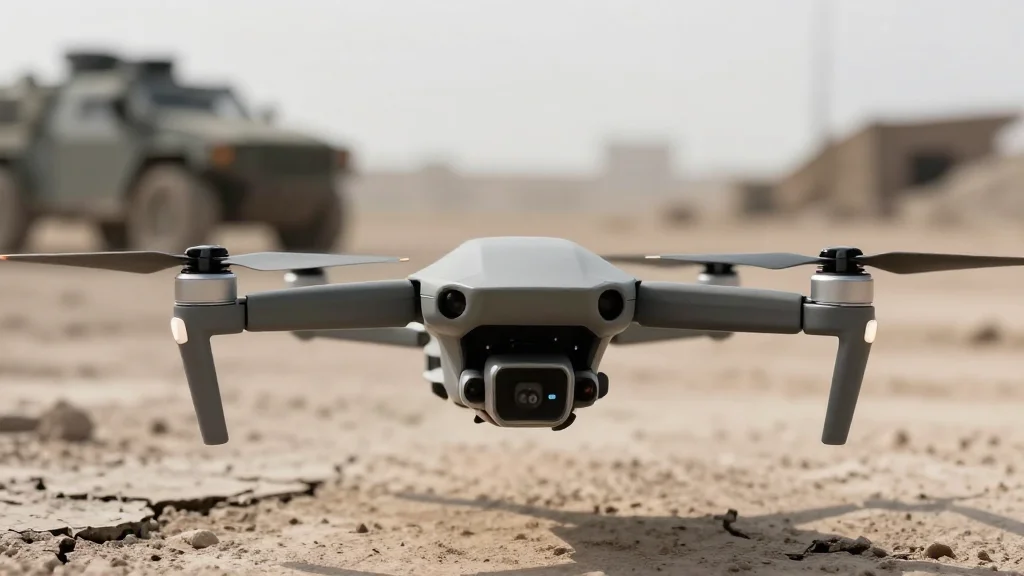
How to Bring Down Cheap, Low-Flying Drones
Why It Matters
The surge of low‑cost drones erodes traditional air‑defence paradigms, forcing militaries and security agencies to invest in new detection and neutralisation technologies to protect critical assets.
Key Takeaways
- •Quadcopter attacks have expanded from Ukraine to U.S. and UK installations
- •Current radar and missile systems miss drones below 100 feet altitude
- •Hizbullah’s use of cheap drones proves asymmetric threat viability
- •Emerging counter‑drone solutions focus on AI‑driven sensors and directed energy
Pulse Analysis
The democratization of drone technology has turned a hobbyist gadget into a battlefield staple. Manufacturers in China and elsewhere can produce a functional quadcopter for under $200, a price point that enables insurgent groups, militias, and even lone actors to field aerial weapons with minimal training. This affordability, combined with the ability to attach improvised explosives, creates a persistent low‑altitude threat that traditional air‑defence radars—optimised for high‑speed, high‑altitude targets—often overlook. The result is a growing gap in situational awareness for forces stationed in contested regions and even domestic airspace.
To bridge that gap, defense firms are accelerating development of AI‑enhanced sensor suites that fuse acoustic, visual, and radio‑frequency data to spot drones as small as a palm‑sized quadcopter. These systems can be mounted on existing platforms, from naval vessels to forward operating bases, and are designed to trigger automated counter‑measures such as electronic jamming or directed‑energy weapons. While kinetic interceptors remain costly and risk collateral damage, laser‑based solutions promise scalable, low‑per‑engagement costs, making them attractive for high‑traffic environments like airports and critical infrastructure sites.
Policy makers must also address the regulatory and export‑control dimensions of the drone boom. Tightening component‑level controls, improving cross‑border intelligence sharing, and incentivising private‑sector research into affordable counter‑drone tech are essential steps. As low‑cost drones continue to blur the line between civilian hobbyist devices and lethal weapons, the security community’s ability to adapt will determine whether air‑defence doctrines remain relevant in the next decade.
How to bring down cheap, low-flying drones
Comments
Want to join the conversation?
Loading comments...