How Ukraine Found the Cards To Win, Without Help From the U.S.
Companies Mentioned
Why It Matters
Ukraine’s drone offensive demonstrates that a smaller nation can offset conventional aid gaps with technology, reshaping the war’s dynamics and weakening Russia’s economic war‑fighting capacity. The shift also accelerates new defense alliances, altering the strategic balance in Europe and the Middle East.
Key Takeaways
- •Ukraine’s drones reach targets up to 1,000 km inside Russia
- •U.S. invested billions in Ukrainian drone and anti‑drone tech
- •Russian casualties top 1.35 million, logistics disrupted
- •Kremlin’s Victory Day parade stripped of heavy armor
- •Arab states signing defense deals with Ukraine
Pulse Analysis
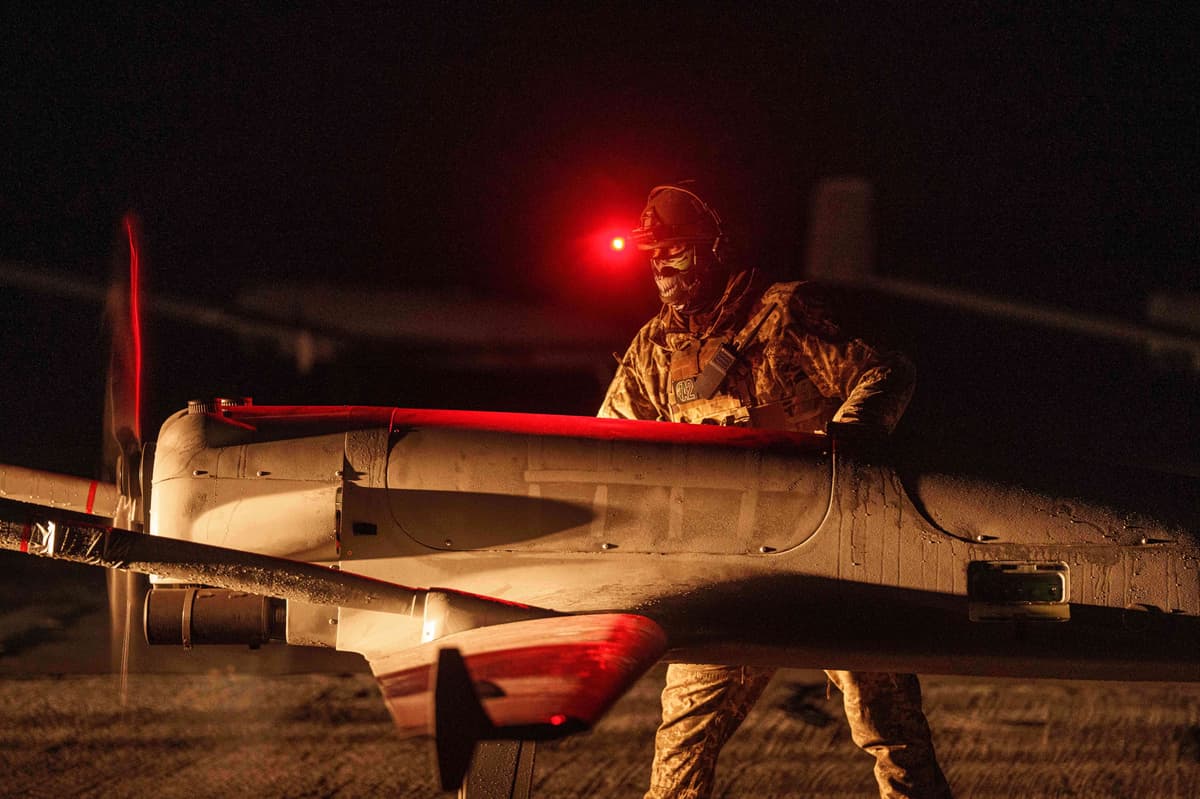
Ukraine’s drone renaissance is more than a tactical surprise; it reflects a rapid maturation of indigenous aerospace capabilities accelerated by U.S. technology transfers. Silicon‑level communications from Motorola’s Silvus platform give Kyiv’s unmanned systems a low‑observable, jam‑resistant edge that Russian forces cannot replicate. Over the past year, Washington funneled billions of dollars into Ukraine’s drone ecosystem, funding production lines, training, and counter‑drone defenses. This infusion has turned a modest fleet into a strategic strike force capable of reaching 1,000 kilometers into Russian territory, targeting power plants, fuel depots, and critical manufacturing sites.
The operational impact reverberates beyond the battlefield. By repeatedly disabling energy infrastructure and supply corridors, Ukrainian drones are starving the Kremlin of revenue streams that sustain its war machine. Russian casualty reports now exceed 1.35 million, and the loss of key logistics nodes has forced Moscow to reallocate air‑defense assets, stretching its already strained budget. The psychological effect is evident: the 2026 Victory Day parade omitted tanks and missiles, a stark departure from decades of military pageantry, signaling heightened Kremlin anxiety over drone‑induced vulnerabilities.
Strategically, Ukraine’s success is reshaping alliances. Arab nations, impressed by Kyiv’s anti‑drone expertise, are signing defense agreements, expanding a coalition of middle powers that complement traditional Western support. This emerging third pole—anchored by the EU, UK, Canada, and now non‑Western partners—offers Ukraine a diversified security network less dependent on fluctuating U.S. policy. As the drone war continues, the balance of power in the region tilts, suggesting a prolonged contest where technological ingenuity may outweigh sheer financial might.
How Ukraine Found the Cards To Win, Without Help From the U.S.
Comments
Want to join the conversation?
Loading comments...