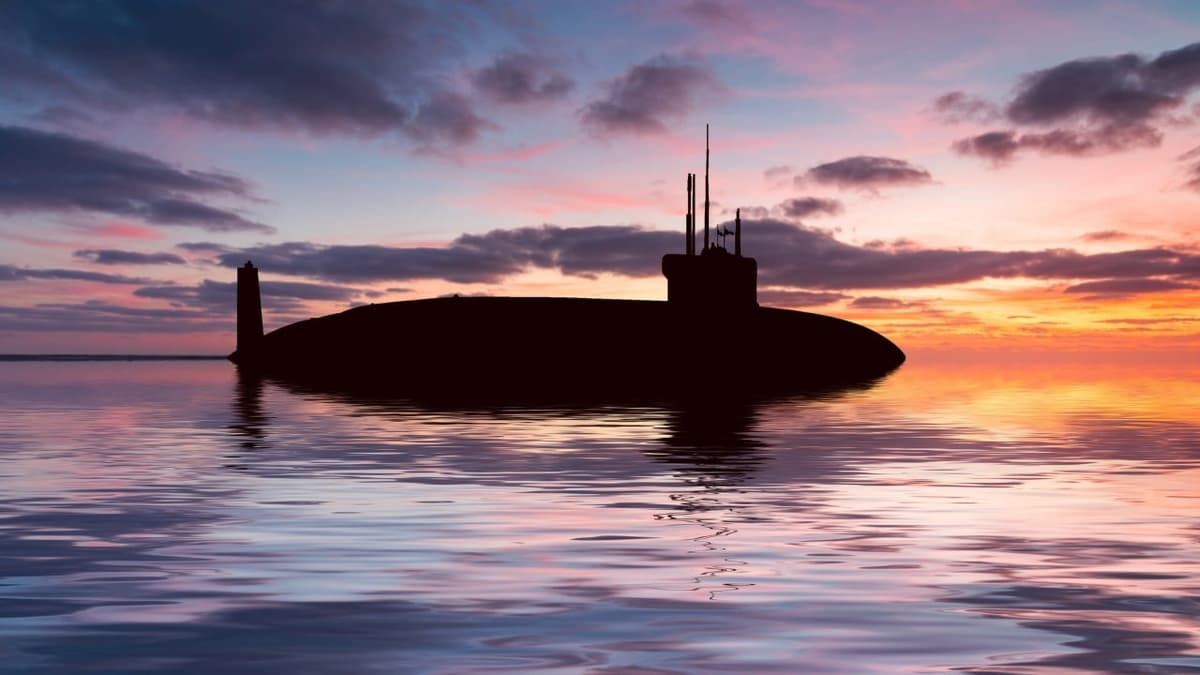
How Will South Korean Nuclear Submarines Alter Underwater Balance Near First Island Chain?
Why It Matters
The addition of South Korean SSNs strengthens the U.S.-aligned underwater network near the first island chain, raising the strategic cost for regional adversaries and potentially reshaping naval power dynamics in East Asia.
Key Takeaways
- •South Korea targets first nuclear‑sub launch by mid‑2030s
- •Low‑enriched uranium enables civilian‑grade reactors, no weapons‑grade fuel
- •Up to four 8,000‑tonne SSNs could shift underwater balance
- •Regional rivals may accelerate their own submarine programs
Pulse Analysis
The decision to develop nuclear‑powered submarines domestically signals South Korea’s ambition to become a full‑spectrum maritime power. By leveraging its world‑class shipbuilding and nuclear energy sectors, Seoul can field SSNs with virtually unlimited range and high‑speed endurance, capabilities that diesel‑electric boats lack. This operational leap not only improves Seoul’s ability to monitor and counter North Korean submarine‑launched missiles but also integrates the fleet more tightly into the U.S. Indo‑Pacific strategy, where persistent under‑sea presence is a cornerstone of deterrence.
In the broader regional context, South Korea’s move adds a new layer to the evolving naval arms race in the first island chain. China’s rapid expansion of its own nuclear‑submarine force, combined with Japan’s expressed interest in SSNs, creates a competitive environment where each ally seeks to out‑match the other’s underwater reach. Analysts warn that this could trigger a feedback loop of procurement and capability upgrades, raising the stakes for naval engagements and increasing the importance of anti‑submarine warfare assets across the Pacific.
Strategically, the introduction of Korean SSNs reinforces the U.S. alliance network that includes Japan, Australia’s Aukus program, and potentially future Japanese nuclear subs. The collective presence of allied nuclear submarines serves as a “last‑resort” deterrent, signaling to Beijing and Pyongyang that any aggressive move would face a coordinated, high‑endurance under‑sea response. As the balance shifts, policymakers will need to manage escalation risks while ensuring that the new capabilities translate into credible, integrated defense postures rather than a fragmented arms race.
How will South Korean nuclear submarines alter underwater balance near first island chain?
Comments
Want to join the conversation?
Loading comments...