Why It Matters
The vote will signal whether the EU can preserve democratic integrity and reinforce a unified security posture amid great‑power rivalry, directly affecting Europe’s stability.
Key Takeaways
- •Orbán's 16-year rule weakened EU strategic cohesion
- •Election outcome will signal EU's democratic resilience
- •US and Russia rivalry intensifies Europe's security dilemma
- •EU must reform defense mechanisms regardless of Hungarian leadership
- •Lessons from illiberalism inform future EU governance standards
Pulse Analysis
The European Union is navigating a precarious security landscape, with Russia’s renewed aggression in Eastern Europe and a United States eager to reassert its influence. Both powers are leveraging economic and diplomatic tools that test the bloc’s unity, making a coordinated defense strategy essential. Hungary, as a central EU member, has historically acted as a dissenting voice, complicating consensus on sanctions, energy policy, and NATO cooperation. This friction highlights the broader challenge of aligning member states’ interests when external threats demand swift, collective action.
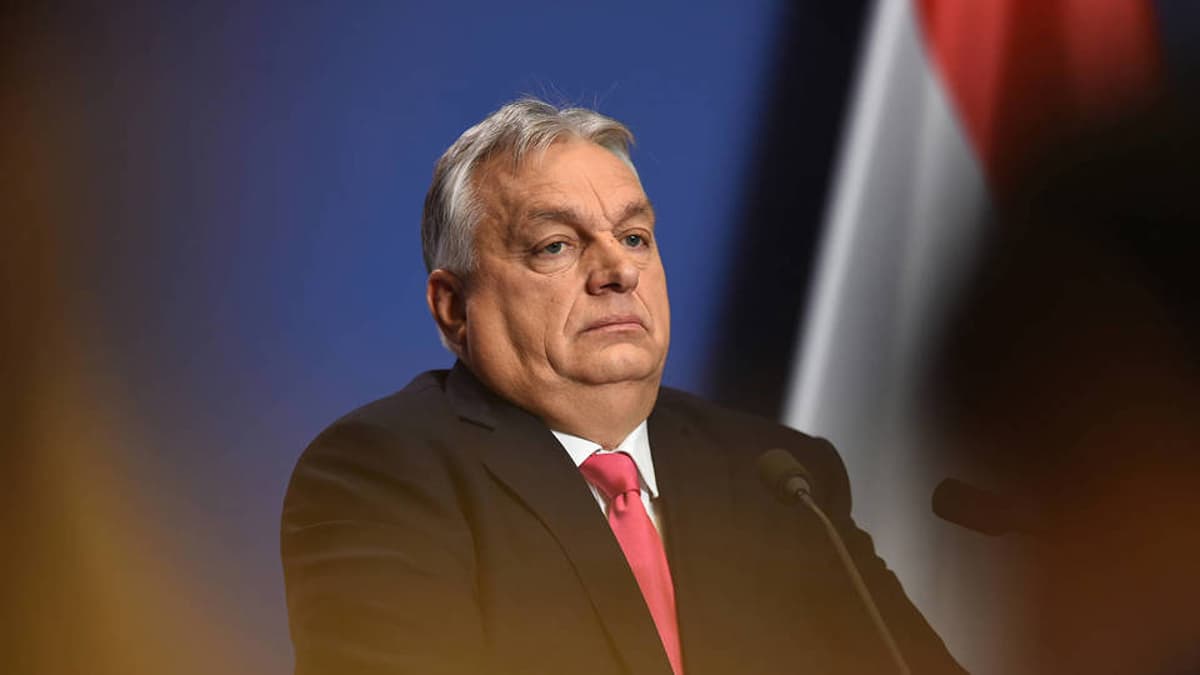
Viktor Orbán’s illiberal governance model has eroded key democratic norms within Hungary, setting a precedent that other member states could emulate. By curbing judicial independence, restricting media freedom, and reshaping electoral rules, his administration has created a parallel foreign‑policy narrative that often clashes with EU directives. The resulting policy fragmentation hampers the Union’s ability to present a unified front, especially in matters of defense spending, cyber‑security, and strategic autonomy. Analysts argue that the EU’s credibility on the world stage is directly linked to its internal cohesion, making Hungary’s political trajectory a litmus test for the bloc’s resilience.
The upcoming election therefore carries weight beyond Budapest’s borders. A transition to a pro‑European government could restore confidence in the EU’s democratic fabric and unlock renewed commitment to collective security initiatives, such as the European Defence Fund and joint procurement programs. Conversely, a continuation of Orbán’s platform would compel EU institutions to devise mechanisms that limit illiberal influence while still preserving the Union’s strategic objectives. Policymakers are urged to translate the lessons of Hungary’s 16‑year experiment into concrete reforms—strengthening rule‑of‑law enforcement, enhancing defense integration, and safeguarding the Union’s geopolitical autonomy.
Hungary and the Future of the EU
0
Comments
Want to join the conversation?
Loading comments...