Hybrid ASW Push Raises Command, Comms and Legal Challenges
Key Takeaways
- •Autonomous surface/subsurface drones to join crewed ships by 2026
- •On‑board AI must filter sonar data before transmitting
- •Secure communications essential; link loss must not cripple missions
- •Legal frameworks lack clarity on uncrewed self‑defence
- •Large‑scale sea trials required before operational procurement
Pulse Analysis
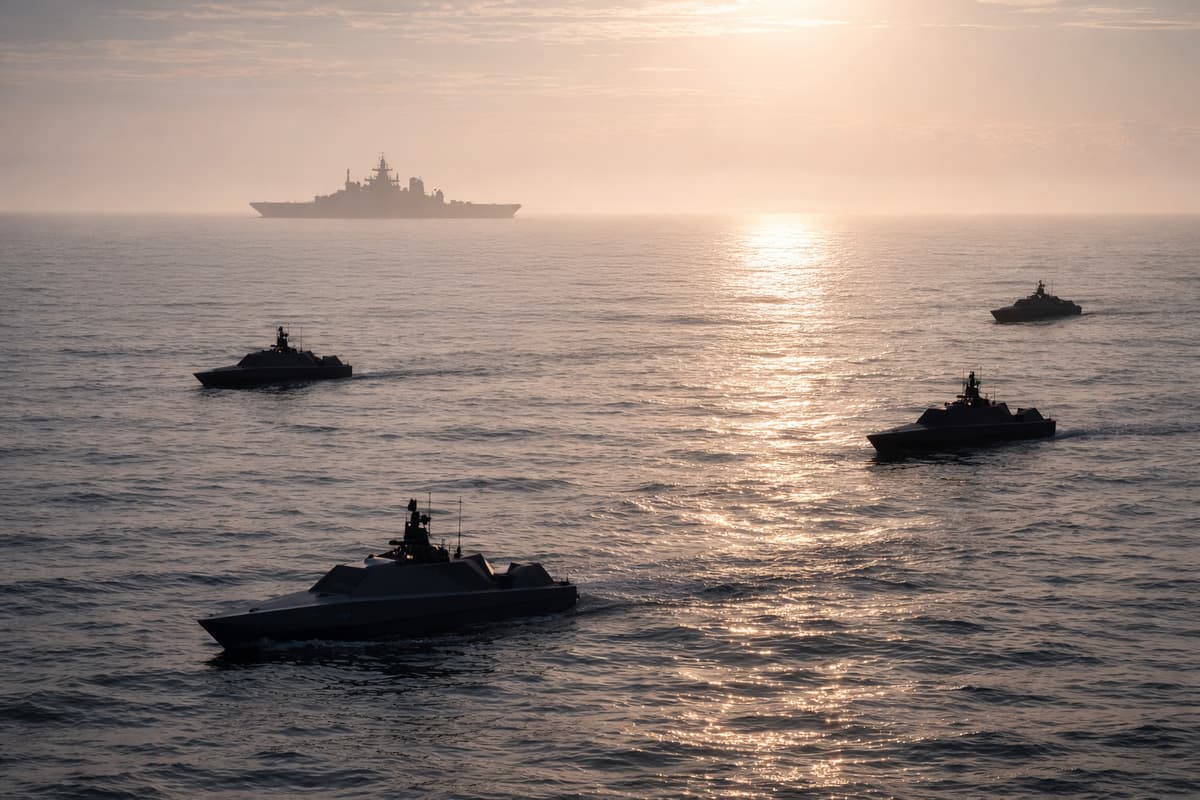
The Royal Navy’s push toward hybrid anti‑submarine warfare reflects a broader shift in maritime forces to blend manned platforms with autonomous vehicles. Manpower shortages, rising operational costs, and lessons learned from the Ukraine conflict have accelerated the adoption of uncrewed surface and subsurface drones that can patrol vast ocean areas without a crew. By 2026 the service expects to field sensor‑rich unmanned escorts that operate alongside traditional frigates, creating a distributed detection net that rivals the impact of the submarine’s introduction in the early 20th century.
Turning concept into capability hinges on solving a suite of technical hurdles. Sonar arrays on autonomous craft generate terabytes of raw data, forcing developers to embed artificial‑intelligence processors that can classify contacts and transmit only high‑value cues. Reliable, low‑latency communications remain a bottleneck; loss of a secure link must not render a vehicle inert, prompting designers to adopt a “loyal‑wingman” model where uncrewed assets act as extensions of a host ship’s combat system. Moreover, the risk of capture raises cybersecurity concerns, as compromised software could expose fleet tactics.
Beyond hardware, the Navy must rewrite doctrine and address legal gray zones. Current rules of engagement do not clearly define self‑defence rights for unmanned vessels, complicating decisions when an autonomous drone is targeted. Extensive sea‑based experimentation—using ranges such as the Hebrides—will be essential to validate performance in harsh marine environments and to inform procurement decisions. If the testing regime succeeds, hybrid ASW could deliver a cost‑effective, scalable solution that strengthens NATO’s under‑sea dominance, but premature fielding without robust doctrine could undermine operational credibility.
Hybrid ASW push raises command, comms and legal challenges
Comments
Want to join the conversation?