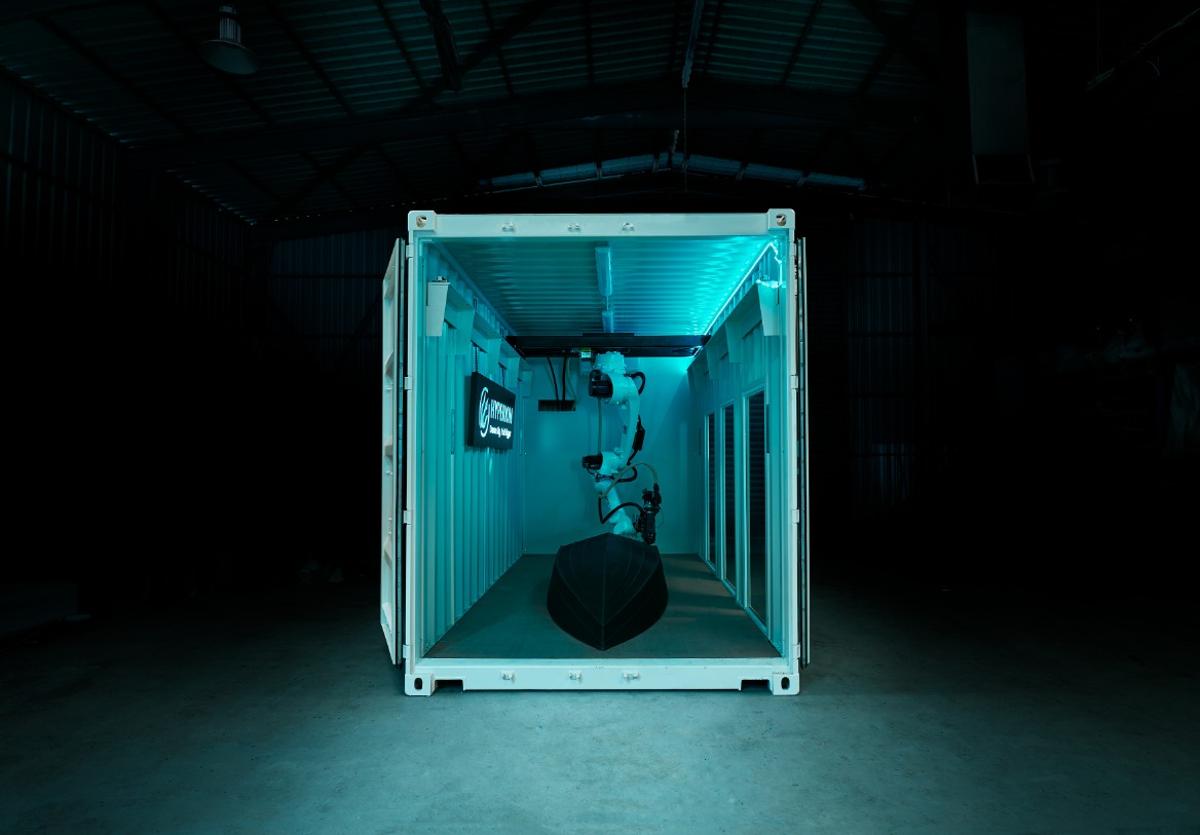
Hyperion Unveils 3D-Printed Uncrewed Vessel Manufacturing Project in WA
Why It Matters
The rapid‑print, autonomous USV shows how additive manufacturing can slash defence acquisition cycles and strengthen Australia’s sovereign maritime capability, delivering a cost‑effective force multiplier for security operations.
Key Takeaways
- •40‑hour 3D‑printed hull cuts build time from weeks to days
- •Recycled polymer waste used, enhancing sustainability of naval manufacturing
- •Greenroom Robotics provides autonomous GAMA system for adaptive missions
- •$385k AU grant (~$254k USD) funds TitanCell deployable factory
- •Planned 8‑metre prototype aims for European navy exercise 2026
Pulse Analysis
Additive manufacturing is reshaping defence procurement, and Hyperion Systems’ ASTRA 460 USV is a vivid illustration. By leveraging large‑format additive manufacturing (LFAM) and recycled polymers, Hyperion can fabricate a 4.6‑metre hull in roughly 40 hours—dramatically faster than the traditional four‑to‑six‑week build cycle. This speed not only reduces labor costs but also enables rapid iteration of hull designs, allowing operators to tailor vessels for specific missions on short notice. The integration of Greenroom Robotics’ GAMA autonomy suite further amplifies the platform’s utility, delivering a fully autonomous surface craft capable of 40 knots and a 200‑kilometre operational radius.
For Australia, the ASTRA project represents a strategic leap toward sovereign maritime capability. The use of locally sourced recycled polymer waste aligns with national sustainability goals while decreasing reliance on imported materials. Coupled with a $385,000 Australian government grant (about $254,000 USD), Hyperion’s TitanCell "factory‑in‑a‑box" system promises on‑demand production of vessels, infrastructure, and even modular housing, bolstering defence resilience in contested environments. The rapid‑print model also offers a cost‑effective alternative to crewed ships, delivering force‑multiplication benefits for border protection, intelligence gathering, and naval patrols.
Globally, the emergence of LFAM‑printed USVs signals a broader shift in maritime defence markets. Nations seeking agile, low‑cost platforms are likely to explore similar technologies, creating export opportunities for firms that can deliver end‑to‑end solutions—from design and printing to autonomous control. Hyperion’s roadmap, which includes an eight‑metre prototype for a European navy exercise later this year, underscores the commercial potential beyond domestic defence. As more navies adopt unmanned surface vessels, the competitive edge will hinge on speed of production, material sustainability, and software adaptability—areas where Hyperion’s integrated approach positions it well for future growth.
Hyperion unveils 3D-printed uncrewed vessel manufacturing project in WA
Comments
Want to join the conversation?
Loading comments...