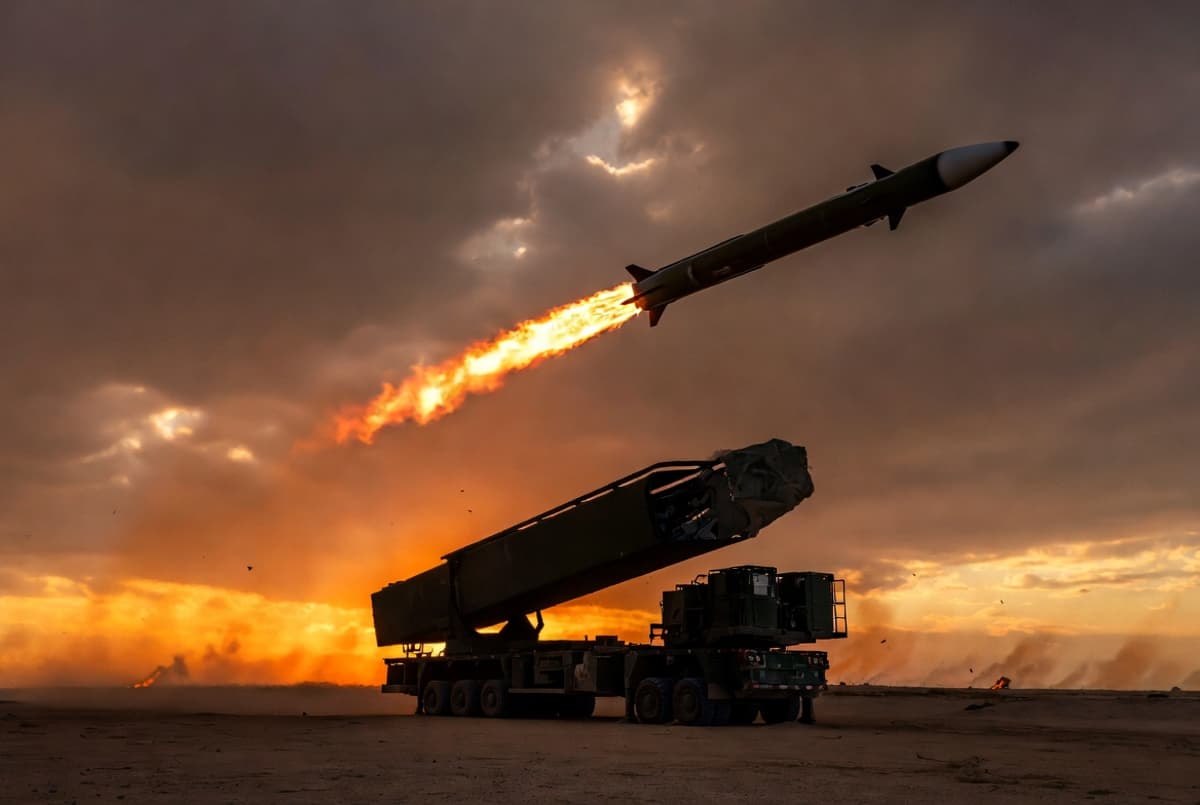
Hypersonic Bluff? As Iran Hints At Renewed Clash, Is US Scaring Tehran with “Untested” Dark Eagle Missile?
Why It Matters
Deploying an untested hypersonic system could signal U.S. resolve but also expose strategic and logistical gaps, influencing regional stability and deterrence calculations.
Key Takeaways
- •CENTCOM requested deployment of unfielded Dark Eagle hypersonic missile to Middle East
- •Dark Eagle still in final testing; operational fielding not yet completed
- •Trump dissatisfied with Iran's proposal, warning of renewed conflict
- •Iran hints at new retaliatory weapon amid escalating rhetoric
- •US hypersonic delays raise doubts about strategic signaling versus real capability
Pulse Analysis
The push to position the Long‑Range Hypersonic Weapon, known as Dark Eagle, in the Middle East reflects a classic deterrence play, but the system’s maturity remains uncertain. While the missile boasts a reported 3,500‑kilometer range and Mach‑17 speed, Pentagon assessments from 2025 still list its lethal effects as unverified. This gap between capability promises and fielded reality raises questions about whether the request is a genuine combat preparation or a high‑visibility signal aimed at Tehran, Beijing, and Moscow.
At the same time, the diplomatic backdrop is fraught. President Trump’s public rebuke of Iran’s offer to reopen the Strait of Hormuz and lift sanctions underscores a hardening stance, while Iranian officials warn of a forthcoming, unnamed countermeasure. The rhetoric suggests both sides are testing each other's thresholds, with the potential deployment of a hypersonic weapon adding a new, unpredictable element to any future engagement. Analysts note that the United States has already expended roughly $25 billion on the ongoing conflict, depleting conventional missile stocks and prompting a search for longer‑range options.
Strategically, the decision to allocate the Dark Eagle to the Persian Gulf could strain the U.S. Army’s broader modernization plans, especially as the system was originally earmarked for the Indo‑Pacific theater to counter China’s growing hypersonic arsenal. Diverting limited batteries may dilute deterrence elsewhere, while also exposing the U.S. to criticism for field‑testing a weapon that has not yet proven its reliability. The episode highlights the delicate balance between signaling resolve and managing the risks of deploying cutting‑edge, yet unproven, military technology.
Hypersonic Bluff? As Iran Hints At Renewed Clash, Is US Scaring Tehran with “Untested” Dark Eagle Missile?
Comments
Want to join the conversation?
Loading comments...