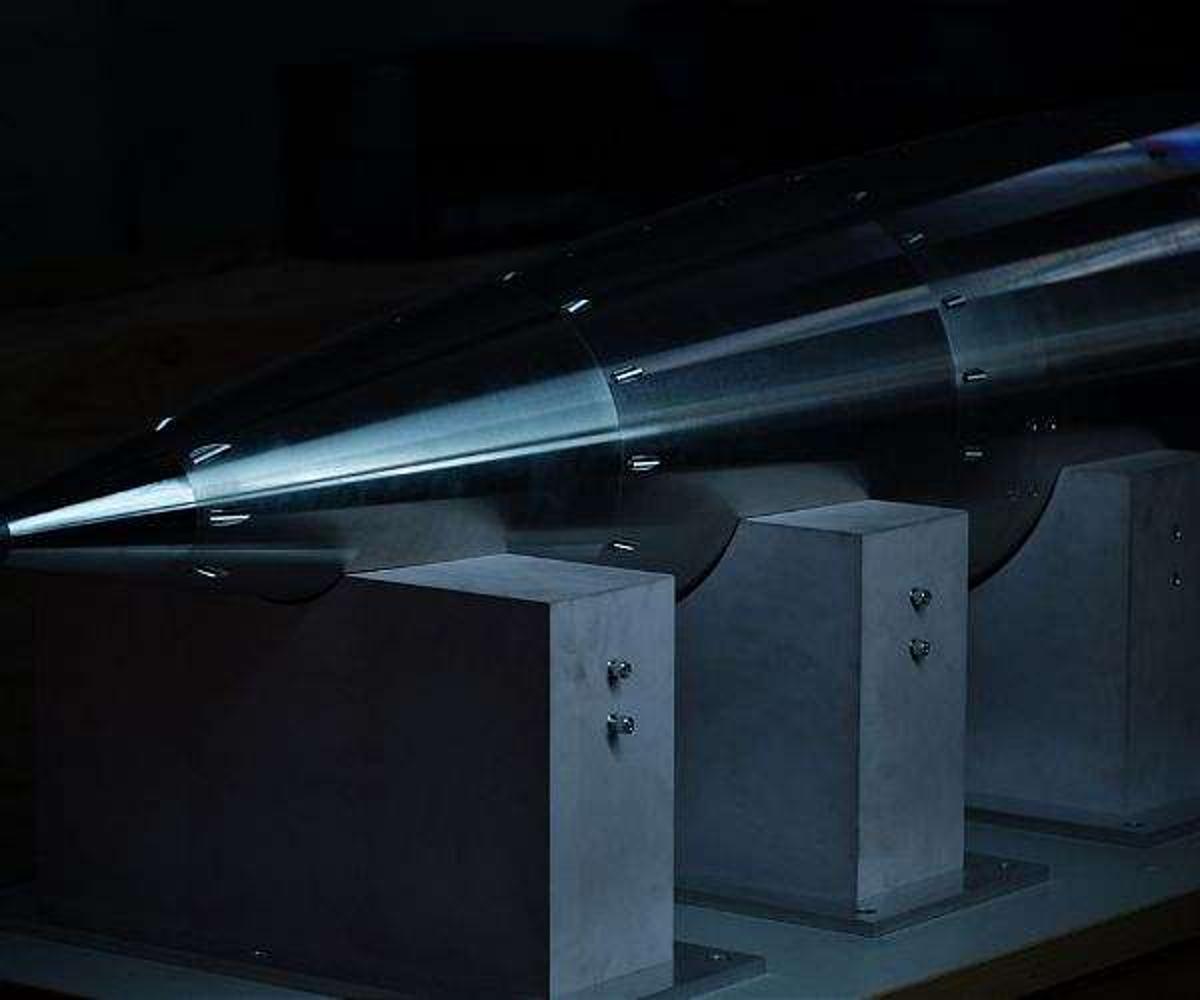
Hypersonica Completes Milestone Hypersonic Missile Flight Test in Norway
•February 19, 2026
0
Why It Matters
The successful flight proves a rapid, low‑cost pathway for Europe to field hypersonic strike weapons, strengthening NATO deterrence and reshaping the continent’s defense industrial base.
Key Takeaways
- •Test reached Mach 6+, covering 300 km in Norway
- •Development completed in nine months, resetting cost expectations
- •Modular design claims 80% cheaper than traditional programs
- •Supports Europe’s 2029 sovereign hypersonic strike goal
- •Validates Andoya Space as key European test range
Pulse Analysis
The global race for hypersonic weapons has accelerated as major powers seek to outpace each other in speed and survivability. Europe, traditionally dependent on U.S. and Russian technologies, has struggled to keep pace. Hypersonica’s recent flight from Norway demonstrates that a private‑sector, Europe‑focused effort can achieve operational‑level performance, signaling a shift toward indigenous capability development and reducing reliance on external suppliers.
Technically, the test validated a modular missile architecture that allows rapid component swaps and iterative upgrades. By compressing the design‑to‑flight timeline to nine months and claiming an 80 percent cost reduction versus legacy programs, Hypersonica challenges the entrenched belief that hypersonic development must be prohibitively expensive and time‑consuming. The Mach 6+ flight and 300 km trajectory provide critical aerodynamic and thermal data, informing future control‑surface designs and maneuverability studies essential for operational strike systems.
Strategically, the milestone aligns with NATO and the United Kingdom’s 2030 hypersonic frameworks, offering European allies a faster route to fielding credible deterrent options. The partnership with Andoya Space underscores the emergence of a European test‑range ecosystem capable of supporting high‑speed trials. As the program progresses through advanced flight‑control and maneuvering phases, it could catalyze a broader industrial renaissance, attracting investment, talent, and supply‑chain development across the continent.
Hypersonica completes milestone hypersonic missile flight test in Norway
0
Comments
Want to join the conversation?
Loading comments...