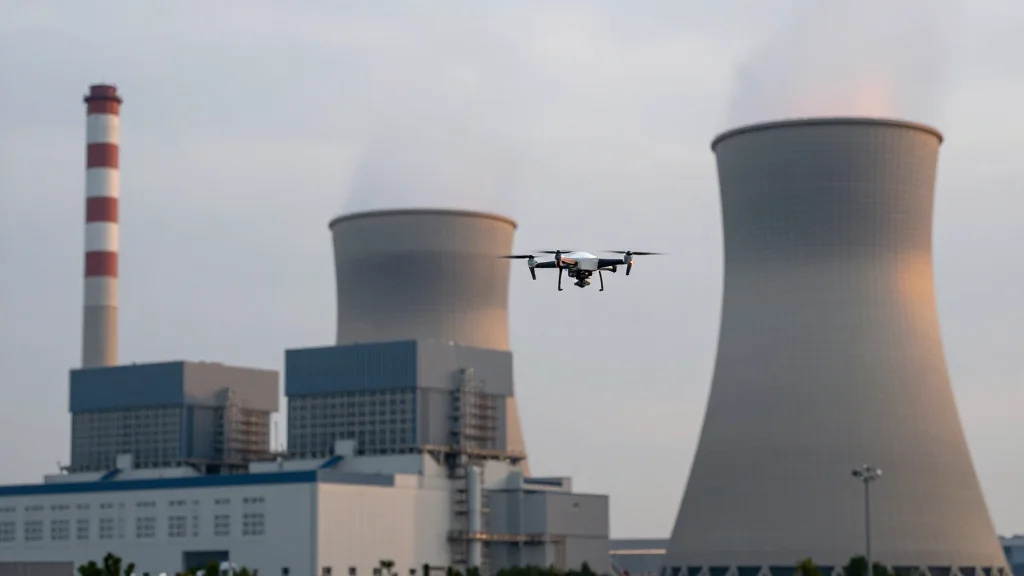
IAEA Says a Drone Targeted Zaporizhzhia Nuclear Power Plant's External Radiation Control Laboratory
Why It Matters
The incident underscores the vulnerability of nuclear infrastructure in conflict zones, raising concerns for regional energy security and global nuclear safety oversight.
Key Takeaways
- •Drone strike hit Zaporizhzhia plant's external radiation lab.
- •No casualties reported; lab damage remains unconfirmed.
- •IAEA requested immediate access to inspect the site.
- •Grossi warned attacks near nuclear sites raise safety risks.
- •Incident highlights nuclear security challenges in Ukraine conflict.
Pulse Analysis
Zaporizhzhia, Europe’s largest nuclear power plant, has been under Russian control since early 2022, making it a focal point of the Ukraine war. The facility supplies roughly 30 percent of Ukraine’s electricity, and its strategic importance has drawn repeated scrutiny from international regulators. While the plant’s reactors remain operational, ancillary structures such as the external radiation control laboratory are critical for monitoring environmental releases and ensuring compliance with safety protocols. A drone intrusion into this peripheral yet vital component signals a new dimension of risk that extends beyond conventional artillery strikes.
The IAEA’s swift request for site access reflects its mandate to verify that nuclear safety standards are upheld even amid hostilities. Access would allow inspectors to evaluate potential contamination, structural integrity, and any compromise to radiation monitoring equipment. Should the lab be damaged, the ability to detect leaks or abnormal radiation levels could be impaired, increasing the likelihood of undetected releases. Moreover, any perceived obstruction of IAEA inspections could erode confidence among European energy markets and investors, prompting calls for heightened diplomatic pressure or sanctions aimed at safeguarding nuclear sites.
Beyond the immediate technical concerns, the drone attack reverberates through the broader geopolitical landscape. It illustrates how modern warfare can target soft‑infrastructure to achieve strategic intimidation, potentially prompting NATO and EU policymakers to reassess security protocols for nuclear facilities in conflict zones. Energy analysts may also factor this heightened risk into forecasts for regional power supply, which could influence commodity prices and accelerate diversification efforts. For stakeholders—from utility operators to insurers—the incident reinforces the need for robust contingency planning and reinforces the IAEA’s role as a critical watchdog in preserving nuclear safety worldwide.
IAEA says a drone targeted Zaporizhzhia nuclear power plant's external radiation control laboratory
Comments
Want to join the conversation?
Loading comments...