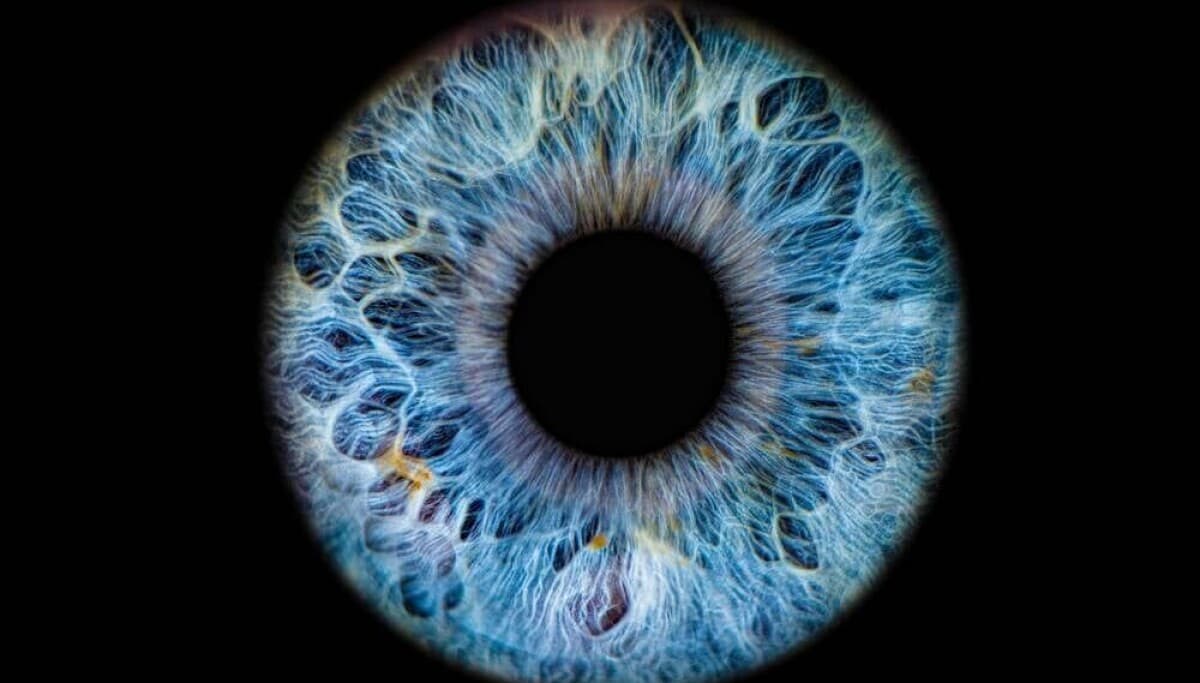
ICE to Keep an Eye on Your Eyes Under $25M Biometric Scanner Deal

Why It Matters
The procurement dramatically broadens ICE’s biometric surveillance reach, intensifying privacy debates and exposing the agency to heightened legal and political scrutiny.
Key Takeaways
- •ICE spends $25.1M on 1,570 biometric scanners.
- •Devices integrate fingerprint, iris, and facial recognition with IRIS database.
- •Sole‑source award bypasses competitive bidding, citing unique capabilities.
- •Deployment could reach 1,770 scanners nationwide by 2027.
- •Senate Democrats urge halt of similar biometric tools over bias concerns.
Pulse Analysis
ICE’s latest $25.1 million acquisition from Bi2 Technologies marks a significant escalation in federal biometric surveillance. The contract covers 1,570 devices capable of capturing fingerprints, iris scans and facial images, all linked to the Inmate Recognition and Identification System (IRIS). By aggregating more than five million criminal‑justice records from 47 states, plus driver’s license and license‑plate data, the system offers agents a near‑instant identity match in the field. The sole‑source nature of the award, justified by ICE as the only vendor with "unmatched" capabilities, sidesteps the usual competitive bidding process and raises procurement‑policy questions.
Privacy advocates and Senate Democrats have already flagged the expansion as a potential civil‑rights flashpoint. Earlier biometric tools like the Mobile Fortify app faced criticism for alleged bias, inaccuracy, and chilling effects on protected speech. The new scanners, which can be deployed both on the street and in mobile units, could place biometric data collection in everyday public spaces, intensifying concerns over mass surveillance and data security. Lawmakers are urging ICE to halt similar technologies until robust oversight mechanisms are established.
From an industry perspective, the deal underscores the growing demand for integrated biometric platforms that combine multiple modalities—fingerprint, iris, and facial recognition—into a single field‑ready device. Vendors that can offer extensive database connectivity and rapid matching algorithms are likely to dominate future government contracts. However, the heightened scrutiny may prompt stricter compliance requirements and push agencies toward more transparent procurement practices. As the rollout approaches its 2027 target, stakeholders will watch closely for legal challenges and policy reforms that could reshape the landscape of immigration‑related biometric enforcement.
ICE to keep an eye on your eyes under $25M biometric scanner deal
Comments
Want to join the conversation?
Loading comments...