‘I’m Fed Up.’ Frustrated With Trump, Starmer Embraces Other Allies.
Why It Matters
Diversifying alliances reduces Britain’s exposure to U.S. policy volatility and secures energy and trade interests, reshaping the transatlantic balance. The move signals to markets that the UK is seeking stable, multilateral partnerships amid geopolitical turbulence.
Key Takeaways
- •Starmer visits Saudi Arabia, UAE, Bahrain after Iran cease‑fire
- •UK seeks to reduce reliance on unpredictable US partnership
- •Energy price volatility blamed on actions of Putin and Trump
- •Starmer publicly criticises Trump, signaling diplomatic shift
- •Europe remains central to Britain’s new foreign‑policy focus
Pulse Analysis
The United Kingdom’s foreign‑policy calculus has long hinged on the "special relationship" with Washington, but President Trump’s erratic rhetoric and the recent Iran war have strained that bond. Over the past six weeks, Trump’s public taunts and a profanity‑laden social‑media threat have left British leaders wary of being drawn into a conflict that could ripple through global markets. Energy prices, already volatile from Russian actions, have become a flashpoint as British households and businesses feel the squeeze, prompting Prime Minister Keir Starmer to vocalise his frustration.
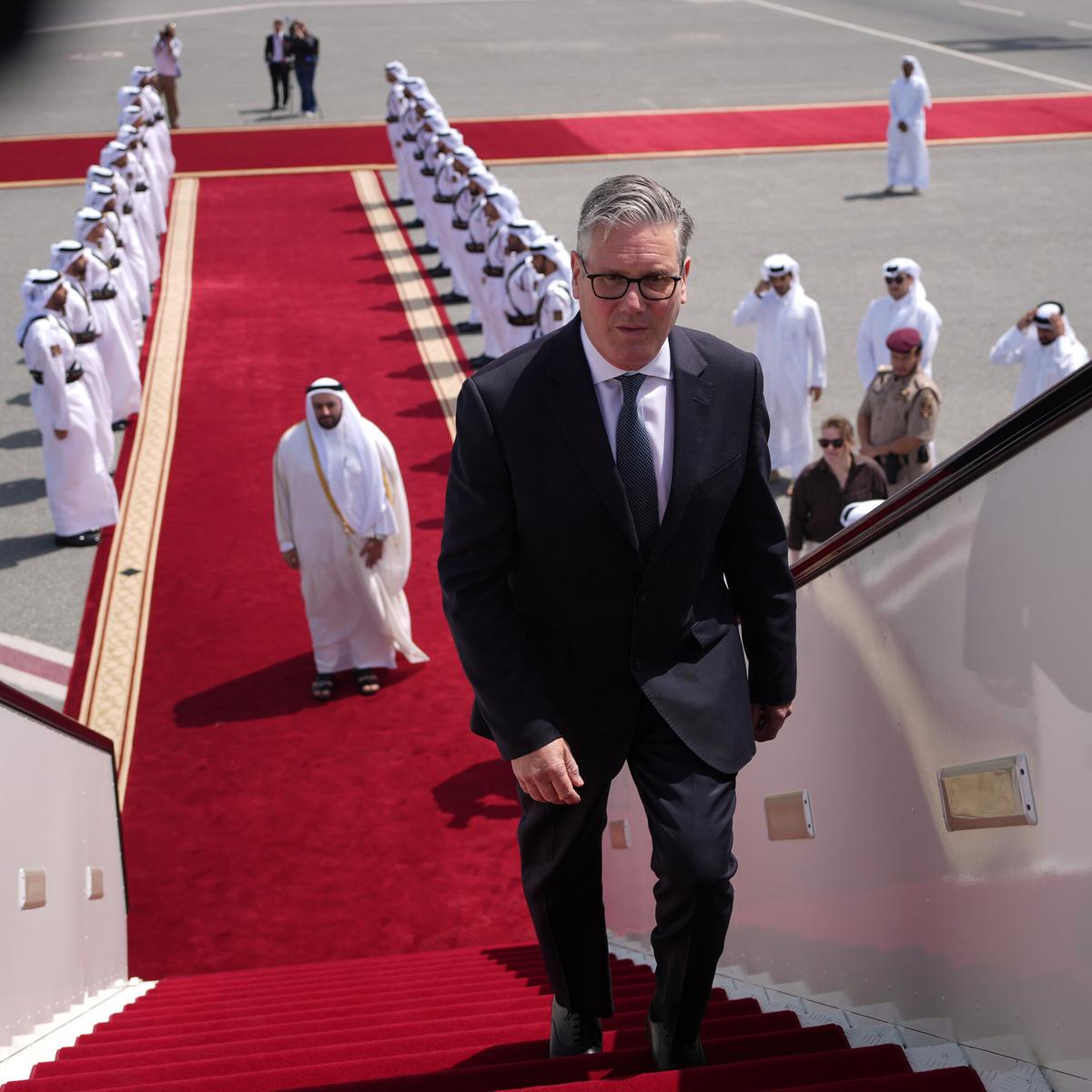
In response, Starmer launched a high‑profile diplomatic tour of the Gulf, meeting leaders in Saudi Arabia, the United Arab Emirates and Bahrain. The timing—immediately after a fragile cease‑fire—underscores a strategic intent to secure alternative energy supplies and trade routes, while signaling solidarity with regional allies. By deepening ties with oil‑rich states, the UK hopes to hedge against future supply shocks and diversify its economic partnerships, a move that could attract investment in energy infrastructure and technology collaborations.
Looking west, Starmer’s overtures to European partners signal a re‑balancing of the UK’s geopolitical posture. Strengthening bonds with the EU and NATO allies offers a counterweight to U.S. unpredictability and aligns with broader Western efforts to contain Iranian aggression. For investors, the shift suggests a more stable policy environment for UK‑based firms, especially those in energy, defense, and finance, as the government pursues a multilateral approach that mitigates single‑nation risk. The realignment may also prompt American firms to reassess their UK strategies, fostering a more competitive but diversified market landscape.
‘I’m Fed Up.’ Frustrated With Trump, Starmer Embraces Other Allies.
Comments
Want to join the conversation?
Loading comments...