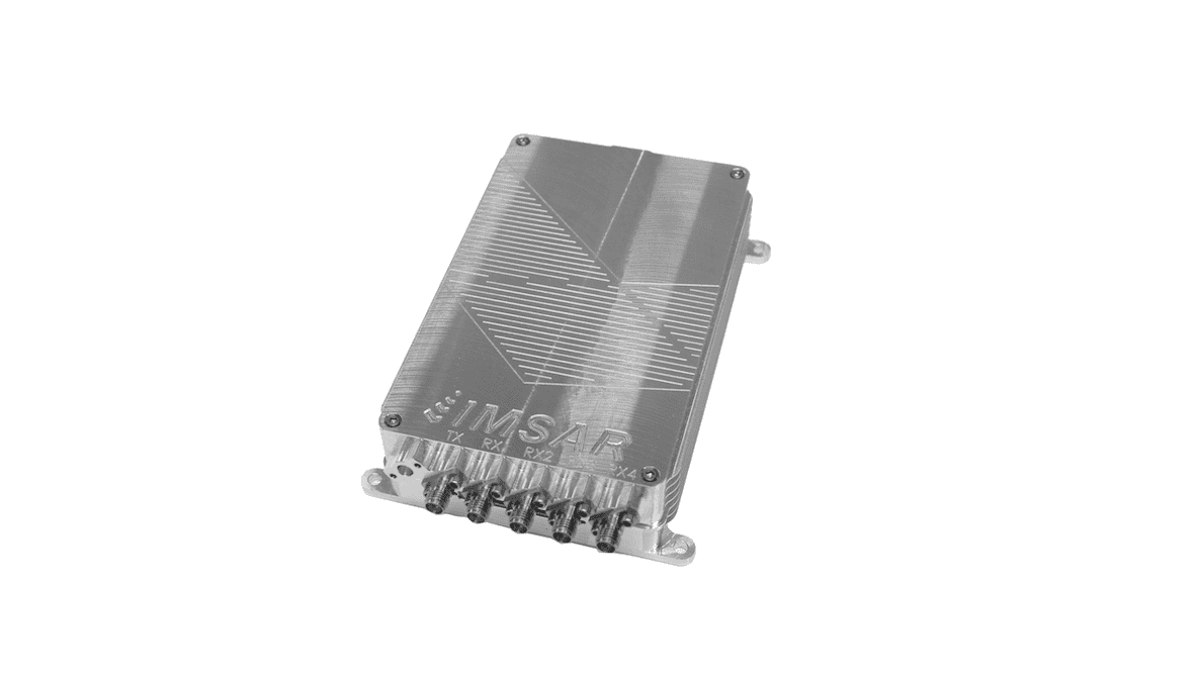
IMSAR Completes First Flight of NanoSAR D REA
Why It Matters
The flight validates a scalable, low‑SWaP radar architecture that can equip both unmanned and manned aircraft, expanding IMSAR’s market reach in a rapidly growing defense and commercial UAV sector.
Key Takeaways
- •NanoSAR D REA completed inaugural flight, proving software‑defined radar
- •Software processing cuts SWaP, boosting speed and flexibility
- •Architecture builds on NanoSAR C, enabling modular upgrades
- •Supports upcoming NSP‑4 and 360‑degree Quad Horizon radars
- •Positions IMSAR as low‑SWaP radar leader for UAS and manned aircraft
Pulse Analysis
The aerospace and defense industries are accelerating the shift toward software‑defined sensors, and IMSAR’s NanoSAR D REA exemplifies that trend. By integrating pulse generation, filtering and detection into a single software layer, the system sidesteps the traditional hardware‑heavy radar designs that have dominated for decades. This approach not only trims the physical footprint but also accelerates development cycles, allowing engineers to iterate algorithms without redesigning circuitry. For operators, the result is a lighter payload that consumes less power—critical factors for extending endurance on unmanned aerial systems (UAS) and improving performance on legacy manned platforms.
From a technical standpoint, the NanoSAR D builds on the proven NanoSAR C architecture, inheriting its modularity while delivering higher processing speeds. The software‑centric design enables rapid upgrades; new waveforms or detection modes can be uploaded via firmware updates rather than hardware swaps. This scalability is a cornerstone for IMSAR’s roadmap, which includes the upcoming NSP‑4 radar and a 360‑degree Quad Horizon radar that promise full‑sphere coverage for situational awareness. The ability to reuse the same REA across multiple platforms reduces development costs and shortens time‑to‑market, a competitive advantage in a sector where procurement budgets are increasingly scrutinized.
Commercially, the successful flight solidifies IMSAR’s claim as the low‑SWaP radar market leader, positioning the company to capture a larger share of the growing UAV market, projected to exceed $30 billion in the next five years. Defense customers seeking lightweight, high‑performance radar for reconnaissance, target tracking, and collision avoidance will likely favor a solution that offers both performance and flexibility. As regulatory pressures push for more autonomous flight capabilities, IMSAR’s software‑defined radar could become a key enabler for next‑generation autonomous aircraft, opening new revenue streams and partnership opportunities across both military and civilian sectors.
IMSAR Completes First Flight of NanoSAR D REA
Comments
Want to join the conversation?
Loading comments...