Increased Airspace Enhances Wisconsin National Guard Training
Companies Mentioned
Why It Matters
Expanding UAS training airspace boosts Guard readiness and operational safety while providing a model for other states to streamline drone training. It also safeguards privacy and aligns Guard activities with national drone policy.
Key Takeaways
- •Wisconsin gains statewide Class G airspace for UAS training
- •Training sites increase from 3 to 24 locations
- •New memo enforces privacy and intelligence oversight
- •Expanded airspace cuts travel time for remote Guard units
- •Broader access supports growing tactical UAS career field
Pulse Analysis
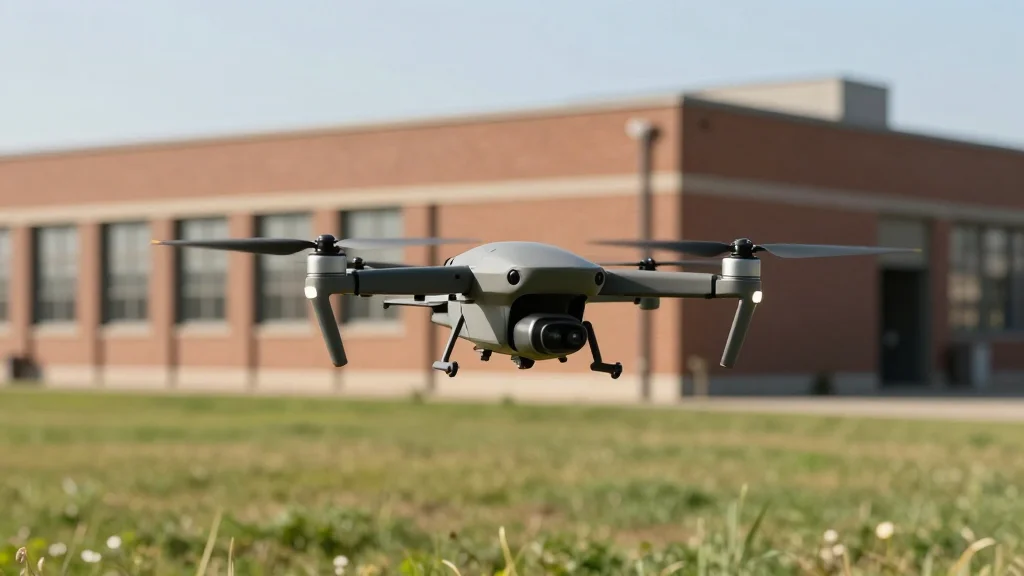
The rise of unmanned aircraft systems (UAS) in modern warfare has made drone proficiency a core competency for the U.S. military. Small‑UAS platforms, such as the Skydio X10D used by the Wisconsin Guard, require frequent hands‑on practice to maintain pilot currency and mission effectiveness. Historically, training was confined to a handful of federally approved ranges, limiting flexibility and inflating logistics costs. By securing statewide Class G airspace, the Federal Aviation Administration has removed these constraints, allowing Guard units to train closer to their home stations and simulate real‑world operating environments.
For Wisconsin’s Army National Guard, the new airspace authorization translates into tangible operational benefits. Soldiers can now conduct flights at 24 armories and training sites across the state, cutting travel times for units in remote areas like Spooner. The updated Airborne Imagery Proper Use Memorandum adds a layer of intelligence oversight, ensuring that UAS missions respect constitutional privacy rights and adhere to executive orders and federal statutes. This dual focus on operational agility and legal compliance positions the Guard to integrate drones more seamlessly into force‑protection and reconnaissance tasks, enhancing both soldier safety and mission outcomes.
The Wisconsin case sets a precedent for other states seeking similar authorizations. As more jurisdictions adopt broad, multi‑airspace UAS policies, the National Guard Bureau anticipates a national framework that reduces administrative overhead and standardizes training protocols. This shift not only accelerates the development of the tactical UAS career field but also aligns military drone use with the rapid growth of commercial and law‑enforcement UAV applications, reinforcing the strategic importance of unmanned technology across the defense ecosystem.
Increased airspace enhances Wisconsin National Guard training
Comments
Want to join the conversation?
Loading comments...