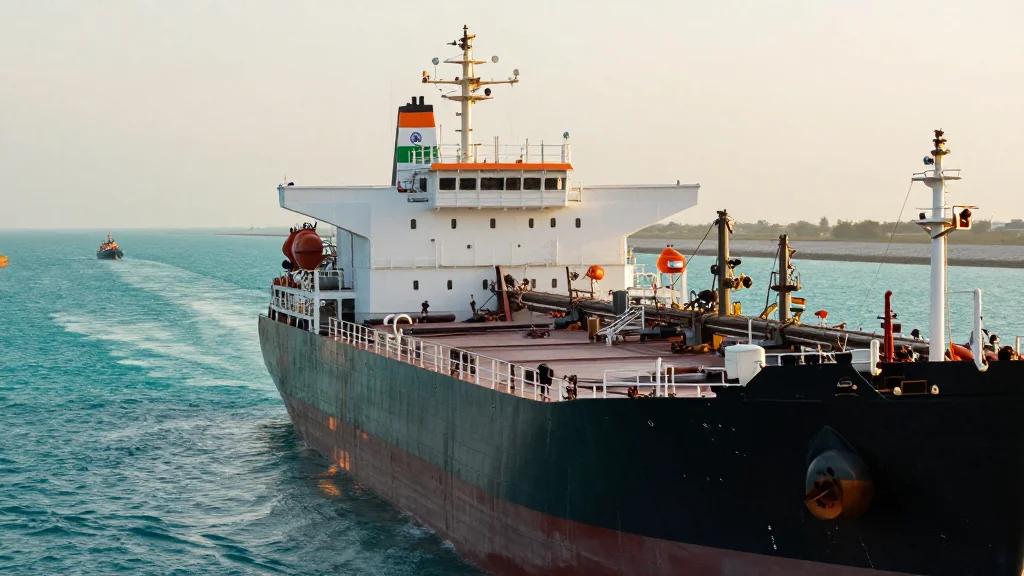
India Denies Cash, Crypto Payments to Iran for Hormuz Passage
Why It Matters
The incident highlights the vulnerability of commercial shipping to geopolitical tension and emerging cyber‑financial fraud, underscoring risks to global energy supply chains.
Key Takeaways
- •India denies any cash or crypto payments to Iran for passage
- •Iranian forces fired on two Indian vessels on April 18, forcing turnbacks
- •Scammers allegedly offered fake safe‑passage deals in cryptocurrency, linked to incident
- •Strait of Hormuz carries ~20% of global oil and LNG, raising prices
Pulse Analysis
The Indian government’s swift rebuttal of alleged cash or cryptocurrency payments to Tehran reflects a broader effort to maintain credibility amid heightened regional volatility. While the Ministry of Ports, Shipping and Waterways emphasized that no financial arrangements exist, the audio capture of Sanmar Herald’s captain pleading for clearance underscores the operational uncertainty faced by shipowners when diplomatic channels falter. By publicly dismissing the claims as "fake news," New Delhi aims to deter further speculation that could erode confidence in India’s maritime logistics and its broader foreign‑policy stance.
Concurrently, the episode has shone a spotlight on a growing niche of crypto‑driven maritime scams. Fraudsters exploit the opacity of blockchain transactions to promise illegitimate safe‑passage permits, targeting vessels navigating high‑risk chokepoints like the Hormuz Strait. Such schemes not only jeopardize individual shipowners financially but also amplify security concerns for naval and coast‑guard authorities tasked with distinguishing genuine diplomatic clearances from fraudulent offers. Industry watchdogs, including maritime‑risk firms, are now urging tighter verification protocols and greater awareness of digital‑currency pitfalls within the shipping sector.
Beyond the immediate diplomatic fallout, the disruption of Indian‑flagged tankers reverberates through global energy markets. The Strait of Hormuz, responsible for roughly one‑fifth of worldwide oil and liquefied natural gas flows, remains a strategic lever in the ongoing West Asia conflict. Any interruption—whether caused by military action or ancillary scams—feeds price volatility and can trigger supply shortages that ripple to downstream economies. As the conflict persists, stakeholders are closely monitoring how combined geopolitical and cyber‑financial threats may reshape routing decisions, insurance premiums, and ultimately, the cost of energy for consumers worldwide.
India denies cash, crypto payments to Iran for Hormuz passage
Comments
Want to join the conversation?
Loading comments...