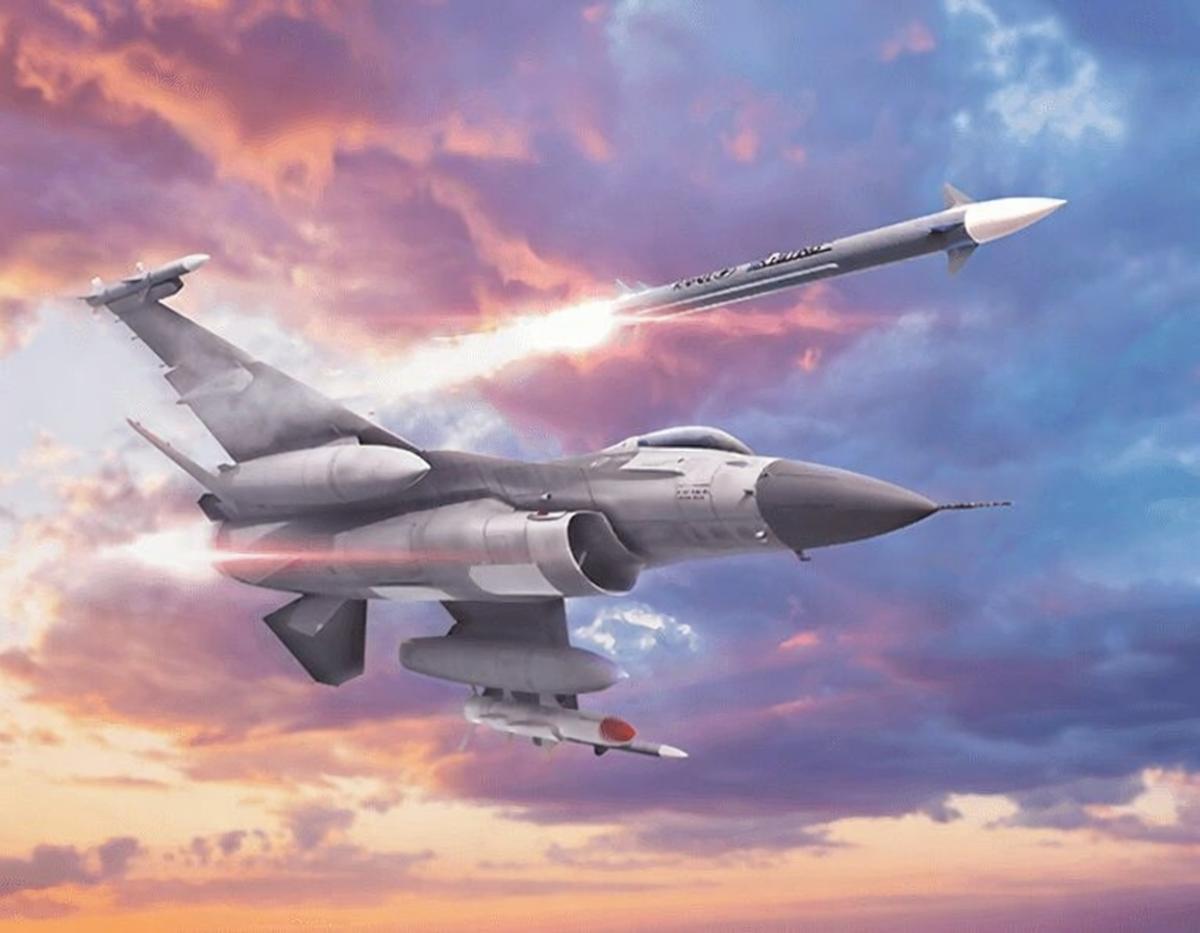
India Eyes Israel’s 6th-Gen, AI-Enabled BVR Missile To Supercharge LCA Tejas, Blunt China’s PL-15/PL-17 Edge
•February 25, 2026
0
Why It Matters
Acquiring Sky Sting closes a critical BVR gap for the IAF, enhancing deterrence against regional adversaries while India balances immediate needs with its indigenous Astra program.
Key Takeaways
- •Sky Sting BVR missile: 250 km range, Mach 5 speed
- •Lightweight design enables carriage on Tejas Mk‑1A and Su‑30MKI
- •AI‑driven RF seeker provides jam‑resistant early lock‑on
- •Integration may sideline Astra program but fills immediate capability gap
- •Deal reflects India’s strategic import approach to maintain readiness
Pulse Analysis
The Indo‑Pacific air combat arena is increasingly defined by beyond‑visual‑range (BVR) firepower. China’s PL‑15 and PL‑17 missiles have set a high bar for range and speed, prompting neighboring air forces to seek comparable capabilities. India’s current indigenous Astra Mk‑1, with a 110 km reach, lags behind these benchmarks, creating a tactical shortfall for the Indian Air Force (IAF). By pursuing the Sky Sting, India aims to bridge this gap quickly, ensuring its fighter fleet can contest Chinese air superiority in the contested skies over the Himalayas and the Indian Ocean.
Beyond range, the Sky Sting’s technical suite offers distinct advantages. Its three‑pulse solid‑fuel motor pushes the missile past Mach 5, while an AI‑enhanced RF seeker delivers early lock‑on and robust electronic counter‑countermeasures (ECCM). Weighing only 180‑200 kg, the missile can be carried by the lightweight Tejas Mk‑1A without compromising payload, and it can also augment the heavier Su‑30MKI platform. However, integrating a foreign seeker with India’s evolving EL/M‑2052 AESA radar has exposed challenges, notably the delayed coupling of the domestic Astra missile, underscoring the tension between rapid acquisition and long‑term self‑reliance.
Strategically, the Sky Sting deal exemplifies India’s nuanced defense procurement philosophy: import proven systems to fill urgent gaps while nurturing domestic development. Co‑production with Rafael promises technology transfer that could accelerate future Astra variants, potentially preserving the indigenous roadmap. Moreover, the partnership deepens the broader India‑Israel defense nexus, which already supplies radars, targeting pods, and other critical subsystems for the Tejas program. In the coming years, the balance between foreign acquisitions and home‑grown projects will shape India’s ability to field a modern, self‑sufficient air force capable of countering regional threats.
India Eyes Israel’s 6th-Gen, AI-Enabled BVR Missile To Supercharge LCA Tejas, Blunt China’s PL-15/PL-17 Edge
0
Comments
Want to join the conversation?
Loading comments...