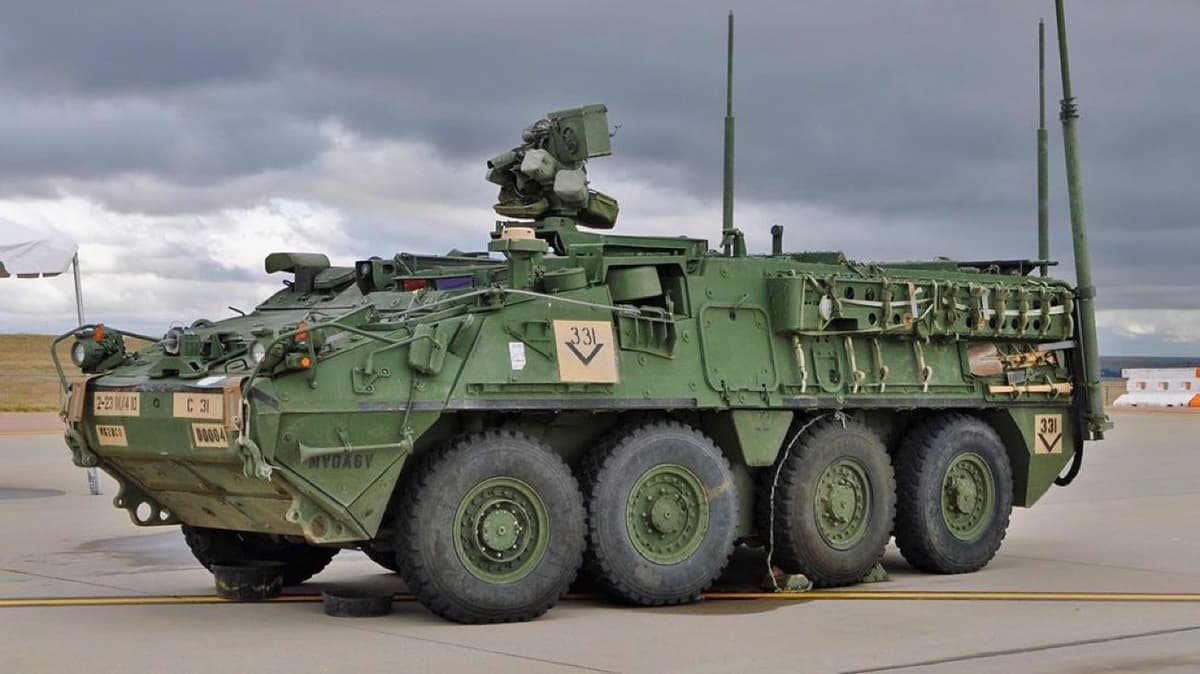
India Shelves U.S. Stryker Deal? Backs Indigenous WhAP Armored Vehicles in Major Make-in-India Boost: Reports
Companies Mentioned
Why It Matters
Prioritising the WhAP strengthens India’s defense self‑reliance, curtails foreign procurement costs, and reshapes the dynamics of the U.S.–India defense partnership.
Key Takeaways
- •India abandons Stryker AFV, citing lack of amphibious capability
- •WhAP platform ready for mass production, 30‑50% cheaper than imports
- •P‑8I Poseidon deal approved at $3.5‑4 billion despite cost rise
- •Make‑in‑India push aligns with new U.S.–India defense partnership
- •Domestic AFV development could create jobs, reduce reliance on foreign tariffs
Pulse Analysis
The Indian Ministry of Defence’s apparent decision to forego the Stryker armored vehicle in favor of the domestically engineered WhAP reflects a decisive turn toward strategic autonomy. While the Stryker offers proven battlefield performance, it falls short of India’s unique operational demands—particularly amphibious capability and high‑altitude mobility. By leveraging the WhAP, which has already cleared rigorous trials across deserts, mountains, and riverine environments, New Delhi can field a platform that aligns with its varied terrain without awaiting future U.S. upgrades. This move also sidesteps the complex technology‑transfer negotiations that have stalled other U.S. programs, such as the earlier push for joint Stryker production.
At the same time, India is moving ahead with the acquisition of six P‑8I Poseidon maritime patrol aircraft, a deal now projected at $3.5‑4 billion after supply‑chain‑driven cost inflation. The aircraft remains essential for maritime domain awareness in the Indo‑Pacific, but its high price tag underscores the broader fiscal calculus driving the shift toward indigenous alternatives for ground systems. The WhAP’s unit cost of $3‑4 million—30‑50% lower than comparable Western AFVs—offers a compelling cost‑benefit narrative for a defence budget that must balance modernisation with fiscal prudence.
Beyond immediate procurement savings, the emphasis on the WhAP bolsters India’s Make‑in‑India agenda, promising domestic job creation, a deeper industrial base, and reduced exposure to foreign tariff risks. As the United States and India cement a new major defence partnership framework, Delhi’s selective adoption of U.S. technology signals a nuanced approach: collaborate where strategic gaps exist, but retain control over core combat platforms. This calibrated strategy could reshape future defence trade negotiations, encouraging more joint‑development projects that respect India’s push for indigenous capability while preserving the strategic benefits of a strong bilateral alliance.
India Shelves U.S. Stryker Deal? Backs Indigenous WhAP Armored Vehicles in Major Make-in-India Boost: Reports
Comments
Want to join the conversation?
Loading comments...