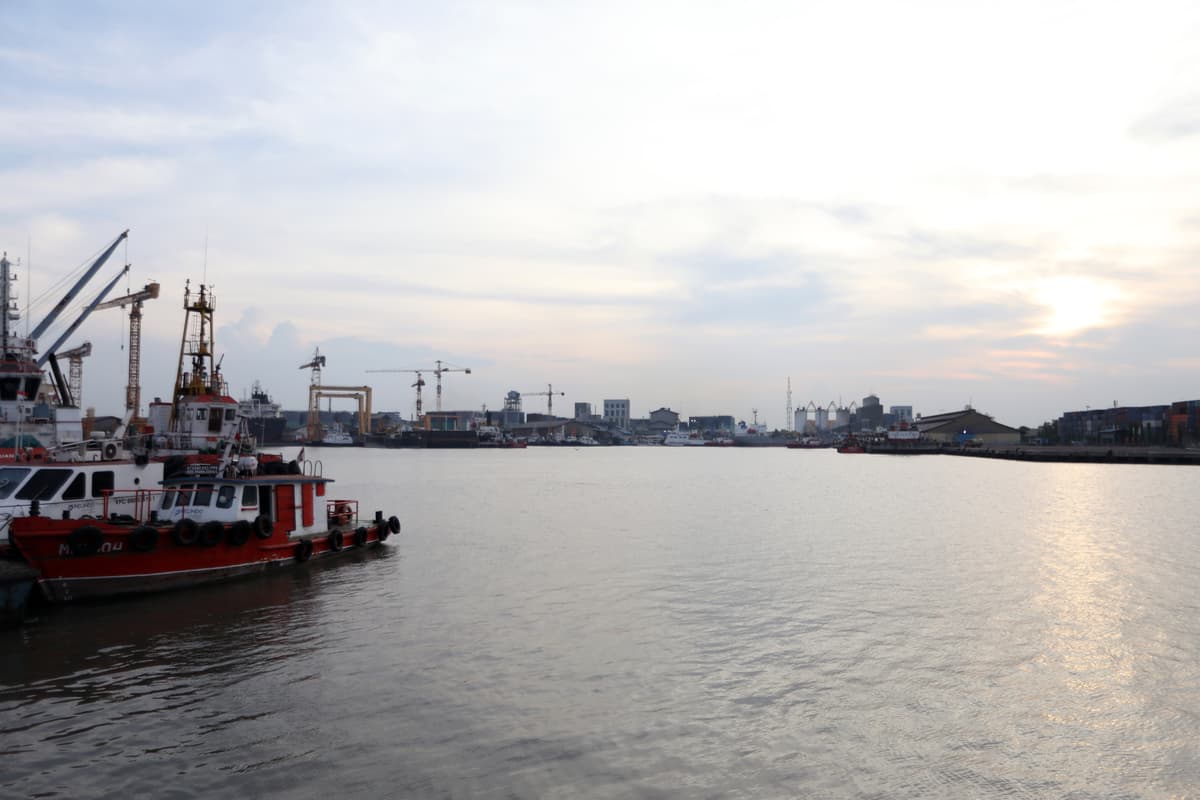
India to Build Strategic Outpost Near Key Shipping Lane in Indo-Pacific
Why It Matters
The outpost strengthens India’s maritime deterrence and trade security in the Indo‑Pacific, directly countering China’s growing naval presence and mitigating risks from chokepoint disruptions like the Hormuz crisis.
Key Takeaways
- •$9 billion project will develop a port, airport, power plant, and township.
- •Great Nicobar sits 150 km from Malacca Strait’s western entrance.
- •India aims to counter Chinese maritime influence in the Indian Ocean.
- •Enhanced surveillance will protect trade routes amid Hormuz Strait disruptions.
- •Local tribal welfare and environmental safeguards are pledged alongside defense upgrades.
Pulse Analysis
Great Nicobar Island’s proximity to the Malacca Strait makes it a linchpin for any power seeking control over the Indo‑Pacific’s busiest sea lane. The strait handles over a quarter of global trade and supplies roughly three‑quarters of China’s imported crude, so any disruption reverberates through world markets. By establishing a forward base within sight of the strait’s western mouth, India can monitor vessel movements, project naval power, and provide a rapid response hub that complements its existing coastline defenses. This geographic advantage also offers a counterweight to the growing Chinese “String of Pearls” network of ports and logistics hubs across the Indian Ocean.
The $9 billion development plan unfolds in three phases, covering more than 160 square kilometres of tropical forest. Core components include an international container trans‑shipment terminal, a dual‑use airfield capable of handling fighter jets and surveillance aircraft, a dedicated power plant, and a new township at Galathea Bay. While the National Green Tribunal cleared environmental objections, the government has pledged tribal welfare programs and strict ecological safeguards, aiming to balance strategic imperatives with local community interests. The phased rollout is expected to begin later this year, with full operational capability targeted within a decade.
Geopolitically, the project signals India’s intent to cement its role as a net security provider in the Indian Ocean, directly challenging Beijing’s maritime expansion. Chinese submarines and surveillance vessels already frequent the region, and Beijing’s investments in neighboring ports heighten strategic competition. Simultaneously, recent disruptions in the Hormuz Strait have underscored the vulnerability of global shipping to chokepoint crises. By fortifying Great Nicobar, India not only safeguards its own trade routes but also contributes to broader freedom‑of‑navigation efforts, reinforcing a rules‑based order that benefits both regional and global economies.
India to build strategic outpost near key shipping lane in Indo-Pacific
Comments
Want to join the conversation?
Loading comments...