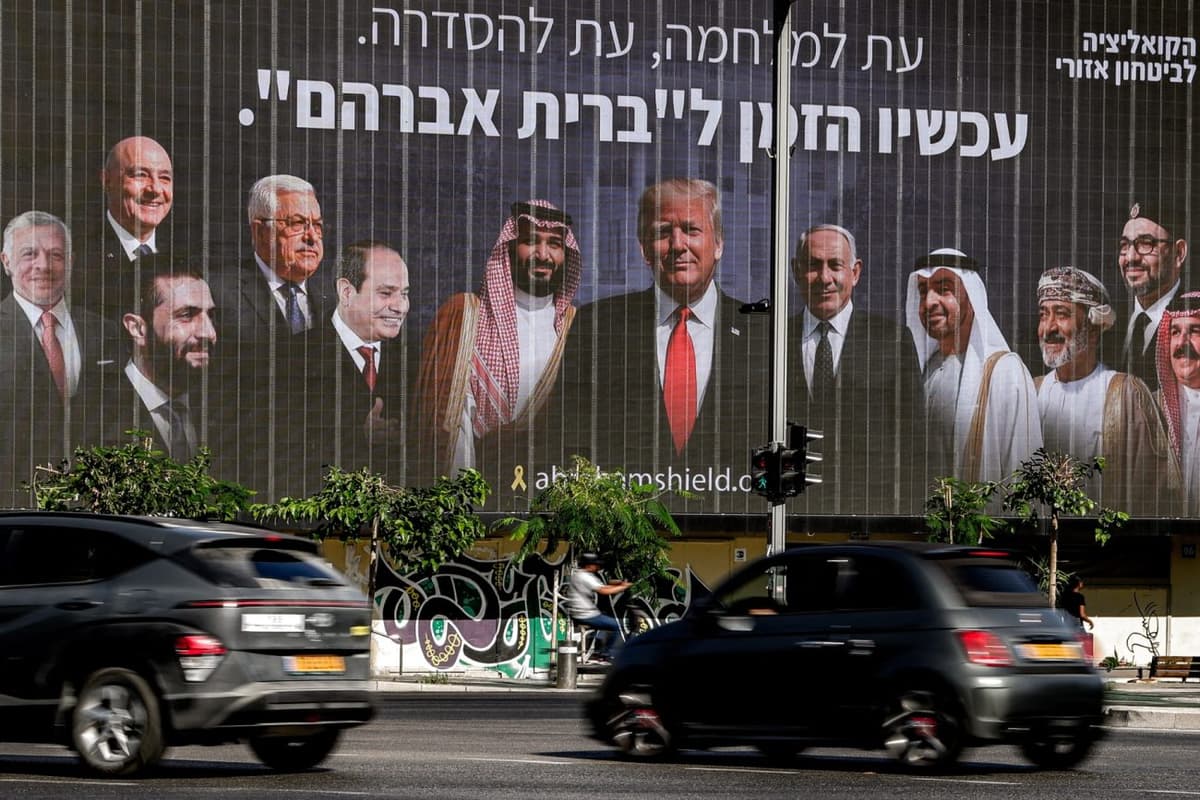
India-UAE-Israel Triangle: Tel Aviv & Abu Dhabi Boost Defense & Economic Ties as New Alliance Bridges The Gulf
Why It Matters
The expanding UAE‑Israel axis creates a powerful security bloc that deters Iranian aggression while unlocking a fast‑growing trade corridor linking the Gulf to Europe. It signals a shift from ideological alliances to pragmatic economic and defense partnerships in the Middle East.
Key Takeaways
- •UAE-Israel trade hit $3.24 bn in 2024, aiming $5 bn.
- •Defense deals include SPYDER, Iron Beam, and Hermes 900 UAV.
- •Joint naval drills and troop deployments signal deepening security ties.
- •I2U2 corridor links India, Israel, UAE, US, boosting regional trade.
- •Abraham Accords shifted focus from politics to economic and security gains.
Pulse Analysis
The Abraham Accords laid the diplomatic groundwork, but the real economic engine ignited after 2022 when trade between the United Arab Emirates and Israel exploded from negligible levels to $3.24 bn in 2024. Both governments have pursued a Comprehensive Economic Partnership Agreement aimed at reaching $10 bn in five years, leveraging the UAE’s logistics hub status and Israel’s tech ecosystem. This commercial surge is reshaping traditional Gulf trade patterns, offering Western firms a stable platform for investment and reducing reliance on older routes through the Suez Canal.
On the security front, the partnership has moved from discreet intelligence sharing to overt joint operations. Israel’s delivery of SPYDER air‑defense batteries, Iron Beam laser systems, and the deployment of troops to operate these assets in Abu Dhabi mark an unprecedented level of military integration for an Arab state. These moves directly address the heightened threat from Iran‑backed proxies, such as the Houthi drone attacks that exposed gaps in the UAE’s air‑defense network. By aligning their defense procurement and conducting regular naval drills, the two nations are building a deterrent that complicates Iran’s regional calculus.
The alliance’s strategic depth expands further through the I2U2 framework and the India‑Middle East‑Europe Economic Corridor (IMEC). Linking Indian ports with UAE logistics hubs and Israeli Mediterranean gateways creates a faster, lower‑cost trade artery that rivals China’s Belt and Road Initiative. For multinational corporations, this translates into diversified supply chains and new market access across South Asia, the Gulf, and Europe. However, the UAE’s pivot risks alienating traditional Muslim allies, especially as it distances itself from Saudi Arabia and OPEC. Balancing economic gains with diplomatic sensitivities will define the durability of this emerging Gulf axis.
India-UAE-Israel Triangle: Tel Aviv & Abu Dhabi Boost Defense & Economic Ties as New Alliance Bridges The Gulf
Comments
Want to join the conversation?
Loading comments...