India-Vietnam BrahMos Missile Deal a Hot Shot at China
Why It Matters
The deal strengthens Vietnam’s anti‑access capabilities and cements India’s foothold in Southeast Asian defence markets, raising the strategic cost for China’s regional ambitions.
Key Takeaways
- •Vietnam may become third foreign buyer of BrahMos after Philippines, Indonesia
- •Deal valued at $629‑$700 million includes training and logistics support
- •BrahMos' 290 km range boosts Vietnam's anti‑ship deterrence in Gulf of Tonkin
- •Sale deepens India‑Vietnam defence ties, supporting India's “Act East” strategy
- •Acquisition signals Vietnam’s shift from Russian‑only arms to diversified sources
Pulse Analysis
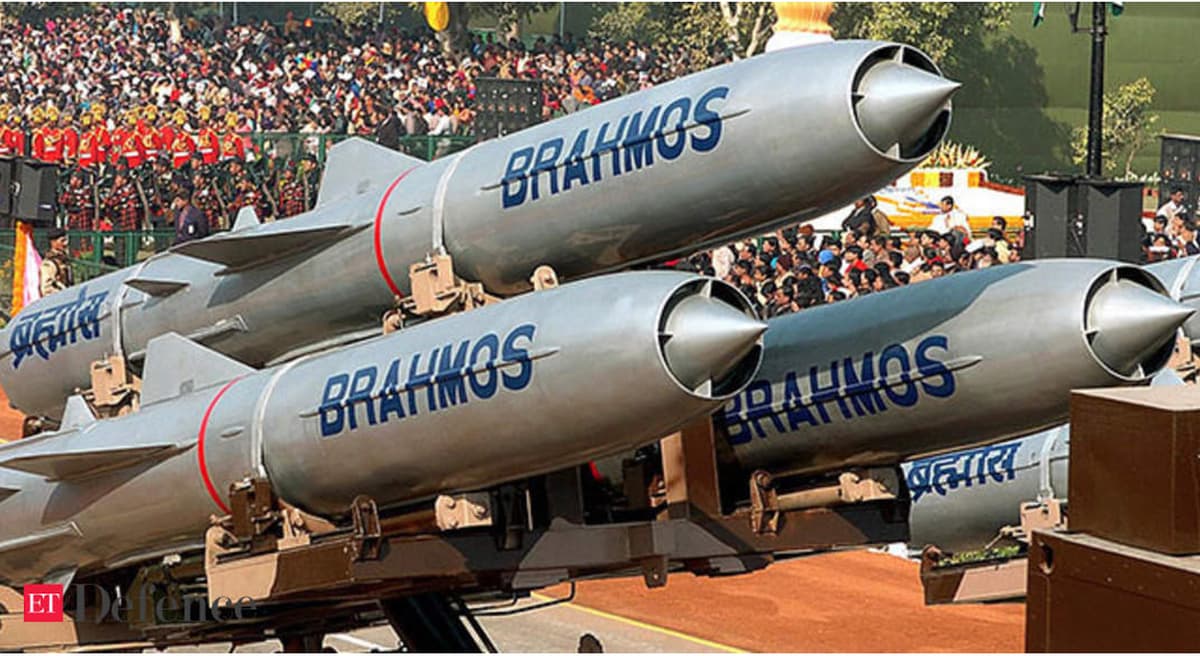
India’s BrahMos missile, a joint Indo‑Russian product capable of striking targets up to 290 km away at supersonic speeds, has become a focal point of Indo‑Pacific power dynamics. Vietnam’s pursuit of the system reflects a calculated effort to modernise its naval arsenal beyond legacy Russian platforms, integrating a high‑end missile into a layered anti‑ship strategy that complements its domestically produced VSM‑01A. The projected $629‑$700 million package, which also bundles offshore patrol vessels and submarine support, underscores Vietnam’s intent to deter Chinese naval activity in the Gulf of Tonkin and protect its contested South China Sea claims.
For India, the prospective sale aligns with the “Act East” policy that seeks to translate diplomatic outreach into tangible defence exports. By supplying BrahMos to a third Southeast Asian customer, India not only diversifies its defence revenue stream but also creates a network of capable partners capable of contesting Chinese sea‑lane dominance. The transaction deepens bilateral ties, ensuring long‑term Indian involvement in maintenance, software updates, and crew training, thereby embedding Indian strategic influence across the maritime periphery of the Indian Ocean.
The broader implication is a subtle reshaping of regional security architecture. Vietnam’s shift away from exclusive reliance on Russian arms—accelerated by Western sanctions and Russia’s own wartime constraints—signals a diversification trend among Southeast Asian states. Coupled with India’s emerging “Necklace of Diamonds” concept, the BrahMos deal could catalyse a loosely coordinated, non‑aligned security network that raises the cost of coercion for Beijing without formal alliance commitments. This evolving dynamic may prompt China to recalibrate its Belt and Road maritime investments and intensify its own A2/AD initiatives, further entrenching the Indo‑Pacific as a theatre of strategic competition.
India-Vietnam BrahMos missile deal a hot shot at China
Comments
Want to join the conversation?
Loading comments...