Indian-American Co-Founder’s Drone Boat Powers Historic US Rescue Mission in Hormuz
Companies Mentioned
Why It Matters
The successful rescue validates autonomous surface vessels for high‑risk military missions, accelerating adoption across the Department of Defense and signaling new market opportunities for commercial maritime robotics.
Key Takeaways
- •Corsair rescued two Apache crew members near Hormuz.
- •First US military rescue using an autonomous surface vessel.
- •Drone boat travels 35 knots, 1,000‑lb payload, 1,000‑nm range.
- •Saronic holds $392 million Navy contract for autonomous vessels.
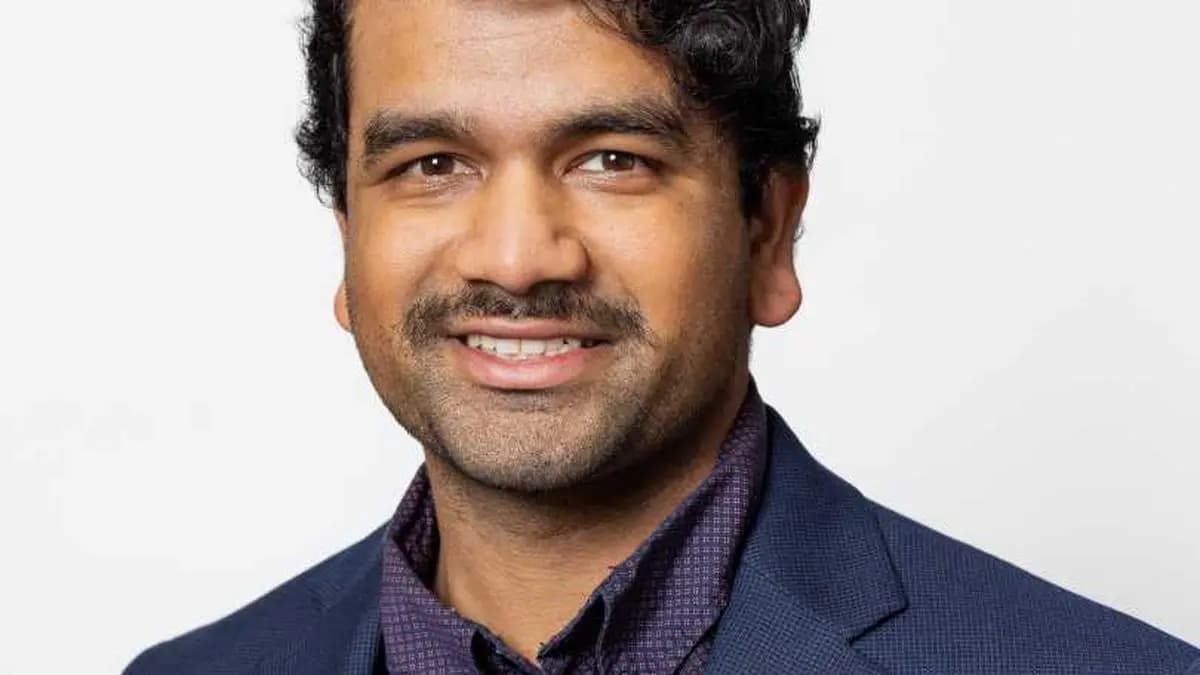
- •Co‑founder Vibhav Altekar drives AI‑powered maritime technology.
Pulse Analysis
The rise of autonomous maritime platforms has moved from experimental labs to operational theaters, driven by advances in AI, sensor fusion, and robust propulsion systems. Companies like Saronic Technologies, founded in 2022, have leveraged these technologies to create vessels that can navigate complex sea states without onboard crew, reducing risk and operational costs. Their flagship drone boat, Corsair, embodies this shift, integrating diesel power with high‑speed maneuverability and a substantial payload capacity, making it suitable for both logistics and rescue missions.
When an Apache helicopter went down near the strategic Strait of Hormuz, the US Central Command turned to Corsair for a rapid response. Within minutes, the remotely piloted vessel reached the crash site, retrieved the two crew members, and returned them safely to a recovery ship. This historic deployment demonstrates that autonomous surface vessels can perform time‑critical, life‑saving tasks traditionally reserved for manned boats, expanding the tactical toolbox of the armed forces. The operation also showcases the seamless integration of human oversight with machine autonomy, a model likely to shape future combat and humanitarian missions.
Beyond the immediate defense implications, the $392 million Navy contract awarded to Saronic signals a broader market appetite for unmanned maritime solutions. Commercial sectors such as offshore energy, port security, and environmental monitoring are poised to adopt similar technologies, spurring investment and talent pipelines. The involvement of Indian‑American technologist Vibhav Altekar underscores the global, multicultural talent driving US innovation. As autonomous vessels become more capable and cost‑effective, they are set to redefine maritime logistics, surveillance, and rescue operations worldwide.
Indian-American co-founder’s drone boat powers historic US rescue mission in Hormuz
Comments
Want to join the conversation?
Loading comments...