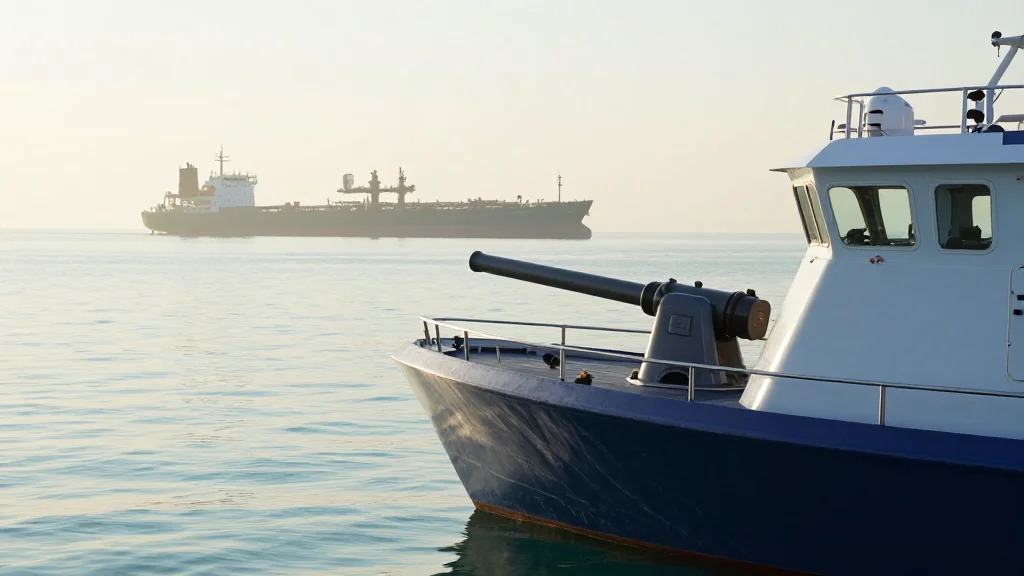
Indian Ships Reverse Course in Hormuz Strait, Vessel Tracker Says
Why It Matters
The reversal exposes the fragility of the Hormuz chokepoint, where any disruption can ripple through global oil markets and increase shipping insurance costs.
Key Takeaways
- •Indian supertanker carrying 2 million barrels reversed after Iranian gunfire.
- •Iran's Revolutionary Guard reopened Hormuz restrictions amid US‑Iran tensions.
- •British maritime center confirmed crew safety but withheld vessel identity.
- •Incident highlights heightened risk to global oil transit through Hormuz.
Pulse Analysis
The Strait of Hormuz remains one of the world’s most critical maritime arteries, funneling roughly 20% of global oil consumption daily. Recent geopolitical friction between Tehran and Washington has prompted Iran to reassert control over the waterway, citing retaliation against a U.S. blockade. Such moves elevate the strategic calculus for nations that rely on uninterrupted oil flows, prompting heightened naval vigilance and diplomatic outreach to de‑escalate potential flashpoints.
In this latest episode, two Indian‑flagged vessels—one a massive supertanker laden with 2 million barrels of Iraqi crude—were forced to reverse course after Iran’s Revolutionary Guard reportedly opened fire. While the British Maritime Trade Operations Centre confirmed the crews’ safety, it withheld vessel details, reflecting the sensitivity surrounding commercial shipping data in conflict zones. For Indian shipowners, the incident underscores the need for robust risk‑assessment protocols, including real‑time tracking and contingency routing, to safeguard assets and personnel.
The broader market impact is immediate: any perceived threat to Hormuz can trigger spikes in oil prices, tighten freight rates, and inflate marine insurance premiums. Energy traders watch such developments closely, adjusting hedges to account for supply‑chain volatility. As regional powers continue to leverage the strait as a bargaining chip, stakeholders—from oil exporters to logistics firms—must prepare for a landscape where geopolitical risk is an operational constant, not an occasional surprise.
Indian ships reverse course in Hormuz strait, vessel tracker says
Comments
Want to join the conversation?
Loading comments...