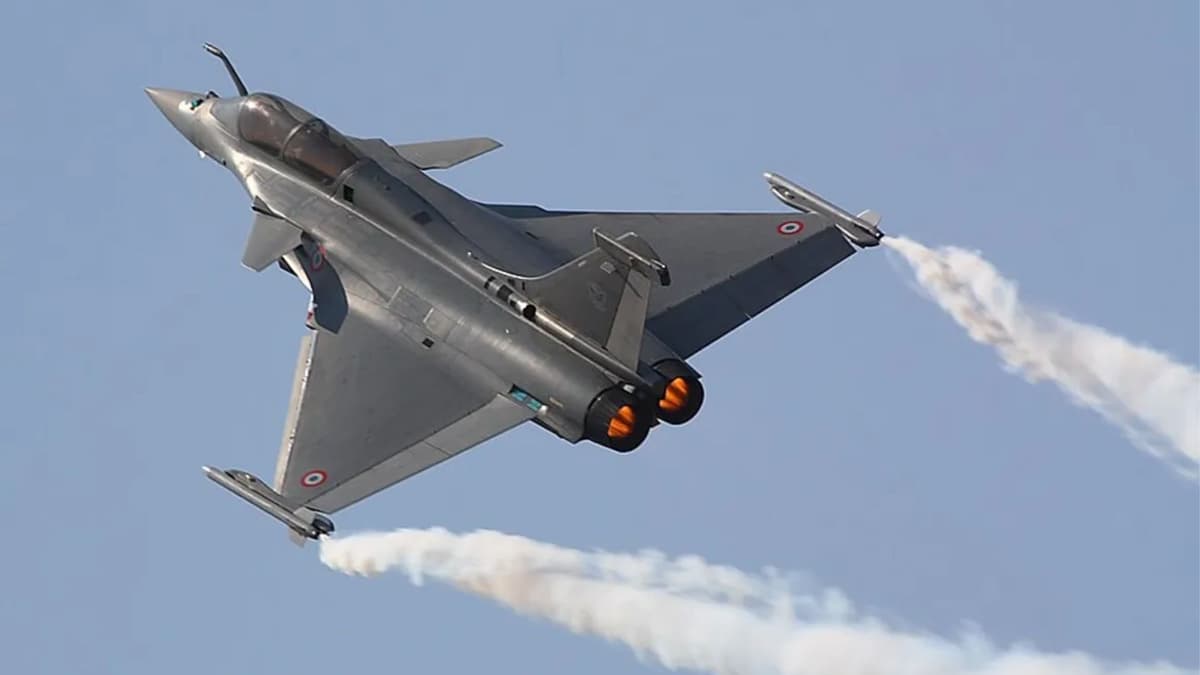
India’s 114 Rafale Deal and France’s Structural Leverage Problem
Why It Matters
Securing the Rafale fleet will modernize the IAF’s combat capability while anchoring a large‑scale defence industrial partnership that could reshape India’s aerospace supply chain and deepen Indo‑French strategic ties.
Key Takeaways
- •Deal worth $36‑40 bn, largest Rafale order ever
- •22 aircraft fly‑away, 92 assembled in Hyderabad
- •RFP at step 4 of 12‑step Indian procurement process
- •Contract must clear CNC and PNC within 12‑18 months
- •Indian firms training in France show strong political confidence
Pulse Analysis
The Rafale acquisition marks a watershed for India’s air power, addressing a capability gap that has grown as regional tensions intensify. With an estimated price tag of $36‑40 billion, the contract would eclipse previous French fighter sales and position the IAF to field a fleet equipped with the latest F4 and potential F5 upgrades. Beyond the aircraft themselves, the deal promises a domestic assembly line in Hyderabad, creating a foothold for India’s nascent fighter‑manufacturing ecosystem and generating high‑skill jobs.
India’s defence procurement framework is notoriously layered, and the Rafale RFP has only cleared the fourth of twelve required steps. The next critical phases involve the Technical Evaluation Committee, followed by the Contract Negotiation Committee (CNC) and Price Negotiation Committee (PNC), where issues such as source‑code access, offset commitments, and indigenisation schedules will be hammered out. Historically, these stages consume 12‑18 months, so Dassault’s ambition to close the deal within 2026 will demand an accelerated timeline and decisive political backing, especially at the CNC where the most contentious terms are debated.
For France, the contract offers a lifeline to its aerospace sector, which faces structural challenges from reduced European defence spending and competition from U.S. manufacturers. A successful partnership could cement France as a preferred supplier in Asia, leveraging the industrial spill‑over effects of the Hyderabad assembly line to showcase French technology transfer capabilities. For India, the agreement not only upgrades its combat fleet but also accelerates the ‘Buy and Make’ policy, fostering a self‑reliant defence base that could serve as a springboard for future export‑oriented projects.
India’s 114 Rafale Deal and France’s Structural Leverage Problem
Comments
Want to join the conversation?
Loading comments...