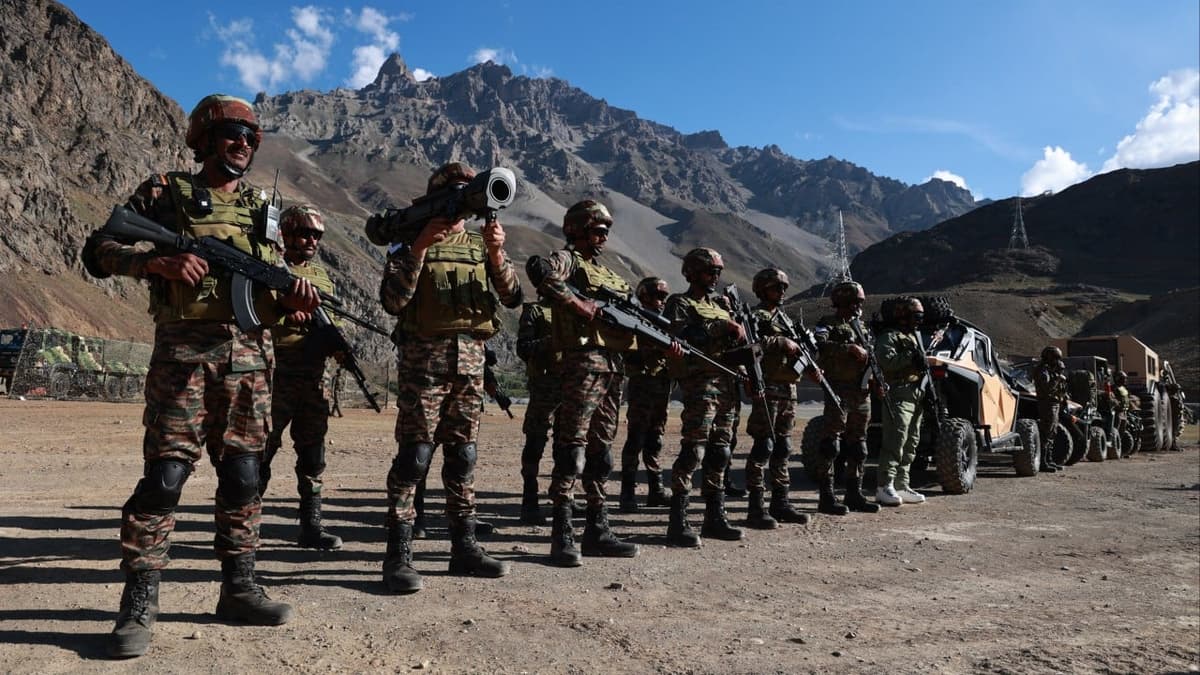
India’s Military Turns to Green Energy Options as Iran War Prompts New Strategy
Why It Matters
Diversifying energy sources reduces India’s strategic vulnerability to volatile Middle‑East oil markets and strengthens operational readiness. The transition also signals a wider Asian trend toward self‑reliance in critical infrastructure.
Key Takeaways
- •Indian army to install biogas stoves for cooking
- •Exploring solar, wind, and green fuels for bases
- •Renewables aim to reduce reliance on imported oil
- •High setup costs and intermittency limit combat use
- •Ladakh solar‑hydrogen microgrids prove feasibility
Pulse Analysis
The Iran‑Israel war has sent global crude prices soaring, briefly topping $126 per barrel before easing below $100. For India, which imports roughly 60% of its oil from the Middle East, such volatility threatens both fiscal stability and military logistics. In response, the Indian Ministry of Defence is fast‑tracking renewable projects that can be deployed on‑site, from biogas cookers in field kitchens to solar arrays powering surveillance and communications equipment. By generating power locally, the armed forces hope to insulate critical operations from external supply disruptions and the price swings that accompany geopolitical crises.
Concrete steps include piloting biogas stoves to replace natural‑gas appliances, installing solar‑powered micro‑grids at remote outposts, and evaluating green fuels for auxiliary vehicles. The Ladakh region already showcases a successful solar‑hydrogen system that supplies electricity to high‑altitude bases, proving that renewable tech can function in extreme conditions. These initiatives not only cut fuel procurement costs but also align with India’s broader climate commitments, offering a dual benefit of operational resilience and emissions reductions.
Nevertheless, the transition faces hurdles. Renewable installations require significant upfront capital, and the intermittent nature of wind and solar limits their suitability for high‑intensity combat platforms that demand reliable, high‑output power. Experts caution that while renewables can supplement base operations, they are unlikely to replace conventional fuels for frontline missions in the near term. As other Asian nations—China, Japan, South Korea—pursue similar strategies, the collective push toward clean energy could reshape regional defense logistics, fostering a more self‑sufficient and environmentally conscious security architecture.
India’s military turns to green energy options as Iran war prompts new strategy
Comments
Want to join the conversation?
Loading comments...