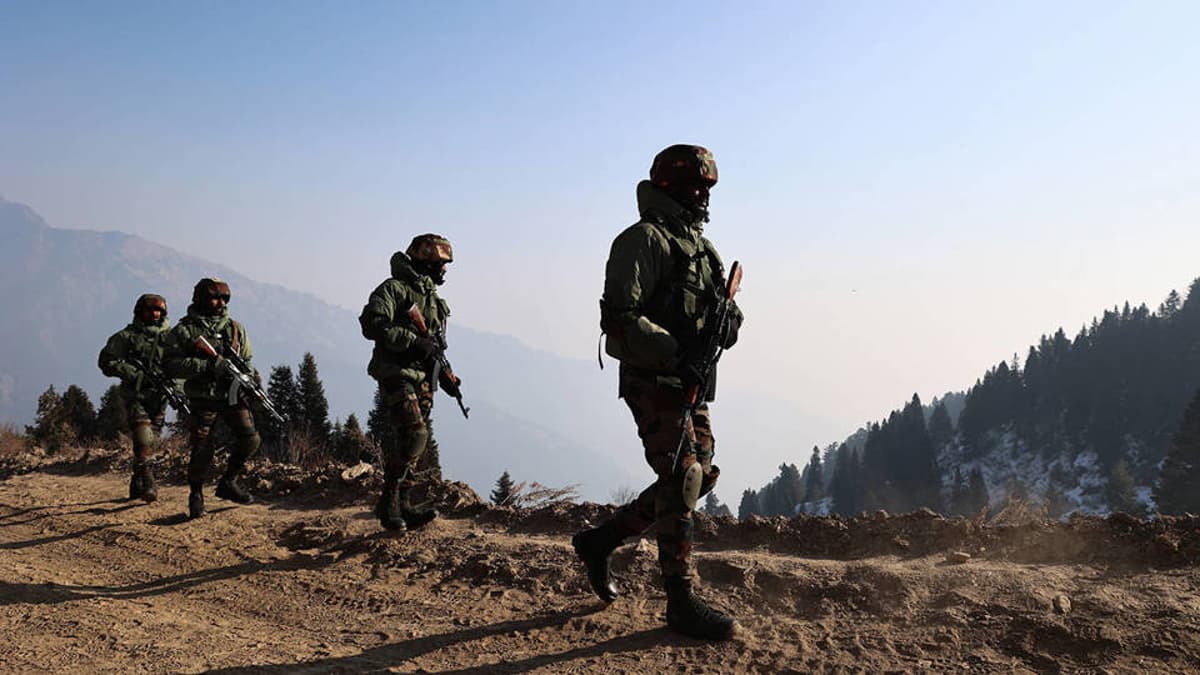
India’s Promising New Counter-Terrorism Strategy
•March 10, 2026
0
Why It Matters
The policy aims to strengthen India's ability to prevent and respond to terrorist threats, crucial for economic stability and investor confidence. Its success could set a benchmark for counter‑terrorism coordination in large, diverse democracies.
Key Takeaways
- •PRAHAAR introduces unified command across federal and state forces
- •Emphasizes real‑time intelligence sharing among agencies
- •Calls for community outreach to counter radicalization
- •Implementation faces bureaucratic inertia and funding gaps
- •Success could boost foreign investment confidence
Pulse Analysis
India has long grappled with a patchwork of counter‑terrorism measures that varied by state, agency, and political climate. Incidents ranging from cross‑border insurgencies in the north to urban radicalization in metropolitan hubs exposed the limits of a reactive posture that relied on ad‑hoc operations. The Ministry of Home Affairs recognized that fragmented command structures and siloed intelligence hampered rapid decision‑making, prompting a strategic overhaul. By codifying a national doctrine, the government seeks to align disparate forces under a single operational philosophy, mirroring best practices seen in other large democracies.
PRAHAAR, the eight‑page policy released in February, outlines four pillars: unified command, integrated intelligence, capacity building, and societal resilience. It proposes a joint counter‑terrorism coordination centre that reports directly to the Home Minister, ensuring that state police, central paramilitary units, and intelligence agencies operate from a common operational picture. Real‑time data exchanges are mandated through a secure digital platform, while training programmes will standardise tactical responses across jurisdictions. Crucially, the strategy allocates resources for community‑engagement projects aimed at preventing radicalisation before it manifests as violence.
Translating doctrine into action will test India's bureaucratic agility and fiscal commitment. Analysts warn that without clear budget allocations and a legally binding coordination mechanism, the policy could remain a paper exercise, especially in states wary of ceding authority to central bodies. Successful rollout, however, promises to lower the frequency of high‑profile attacks, stabilising markets and encouraging foreign direct investment in sectors sensitive to security risk. Moreover, a demonstrable reduction in terror‑related disruptions could enhance India's soft power, positioning it as a reliable partner in regional counter‑terrorism coalitions.
India’s Promising New Counter-Terrorism Strategy
0
Comments
Want to join the conversation?
Loading comments...