Indonesia Eyes JMSDF Asagiri-Class Destroyers as Japan Tailors Warship Transfers to Southeast Asian Partners
Why It Matters
The deal deepens Indonesia’s maritime deterrence while expanding Japan’s defense‑industry footprint in the Indo‑Pacific, reshaping regional security dynamics.
Key Takeaways
- •Indonesia targets Asagiri-class destroyer to boost archipelagic patrols
- •Asagiri offers helicopter hangar and Sea Sparrow SAMs, unlike Abukuma
- •Japan revised export rules in April, enabling lethal equipment transfers
- •Tailored ship transfers signal Japan’s nuanced Indo‑Pacific security strategy
Pulse Analysis
Japan’s recent overhaul of its defense export regime marks a decisive turn from a strictly self‑defence posture to a more proactive role in regional security. By allowing the transfer of lethal platforms such as warships, the government aims to cement strategic ties with like‑minded partners. Recent agreements with the Philippines for Abukuma‑class escorts and exploratory talks with New Zealand illustrate how Tokyo is leveraging surplus JMSDF assets to build a network of maritime allies across the Indo‑Pacific.
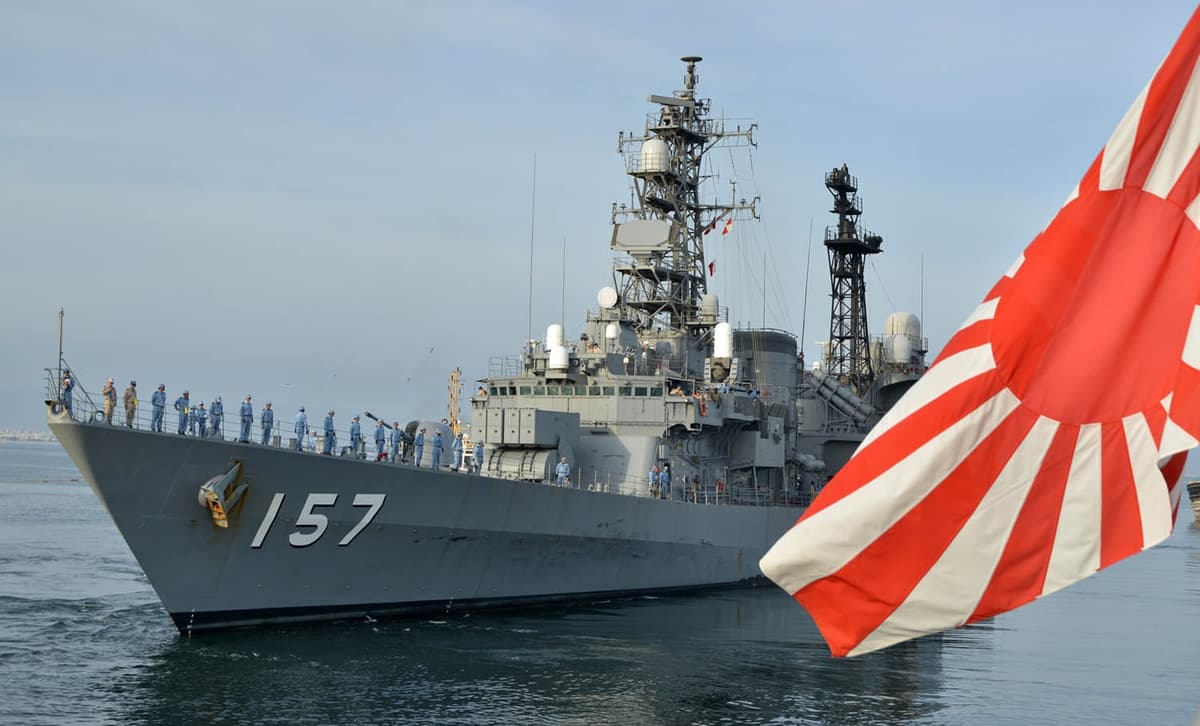
The Asagiri‑class destroyer offers capabilities far beyond the smaller Abukuma‑class. At roughly 3,500 tons, it carries an eight‑cell Sea Sparrow surface‑to‑air missile launcher, dual Phalanx CIWS mounts and a flight deck with a hangar for an SH‑60J anti‑submarine helicopter. These features provide extended air‑defence coverage and greater surveillance reach—critical for Indonesia, whose maritime domain spans thousands of kilometres from the Malacca Strait to the Natuna archipelago. By contrast, the Abukuma’s single Phalanx system and lack of a helicopter facility suit the Philippines’ coastal patrol focus but fall short of Indonesia’s open‑ocean requirements.
Strategically, the tailored transfer underscores Japan’s nuanced approach to Indo‑Pacific security. Matching specific platforms to each partner’s operational profile not only enhances the recipient’s capabilities but also deepens interoperability and logistical ties with Japanese forces. For Indonesia, acquiring an Asagiri‑class ship could elevate its role as a maritime power, bolstering deterrence against regional threats. Simultaneously, Japan expands its defense‑industrial base and diplomatic influence, positioning itself as a key supplier of proven naval assets while reinforcing a collective security architecture that counters rising great‑power competition.
Indonesia Eyes JMSDF Asagiri-Class Destroyers as Japan Tailors Warship Transfers to Southeast Asian Partners
Comments
Want to join the conversation?
Loading comments...