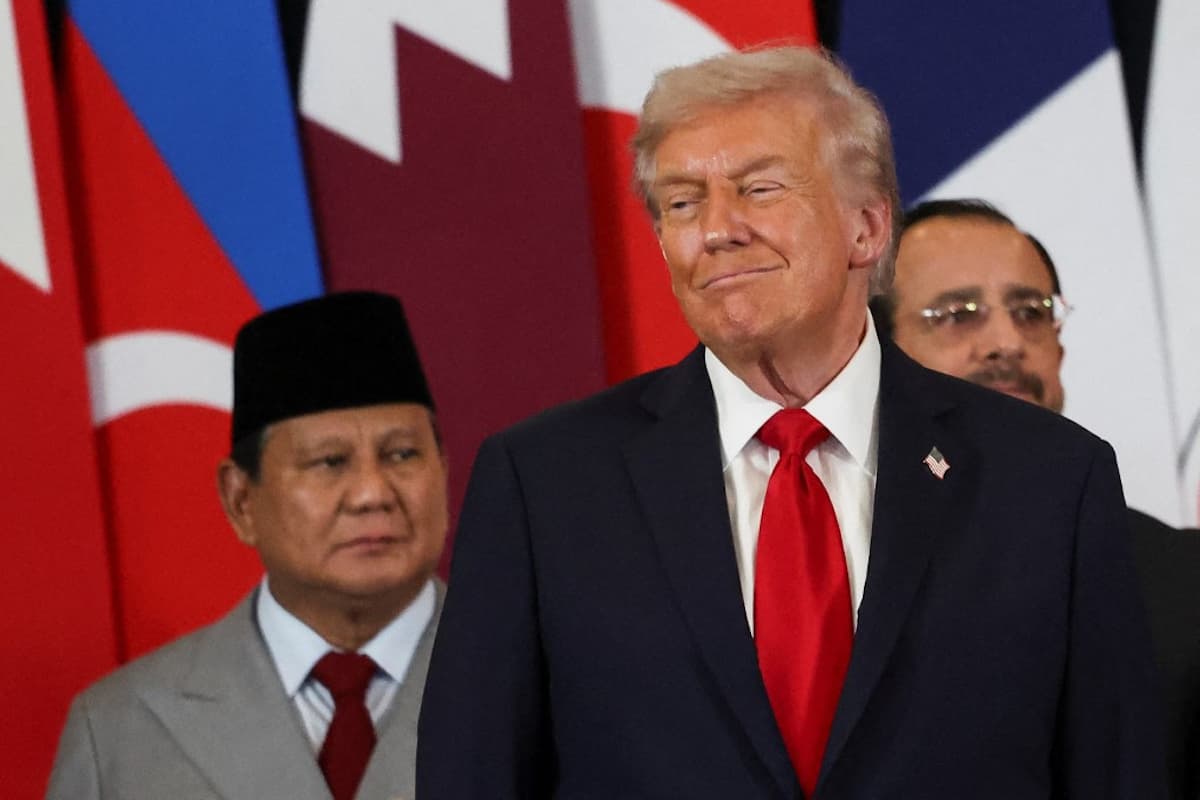
Indonesia Losing Its Sovereign Way Between US and China
Why It Matters
The decision will shape Indonesia’s credibility as a neutral regional actor and influence the balance of power in the contested South China Sea.
Key Takeaways
- •US seeks broader overflight rights in Indonesian airspace for contingency ops
- •Indonesia's foreign ministry warns overflight deal could entangle South China Sea disputes
- •Jakarta signed 2024 China partnership despite overlapping Natuna EEZ claims
- •Policy drift may erode Indonesia's credibility and invite great‑power rivalry
Pulse Analysis
Indonesia’s strategic location at the crossroads of the Indo‑Pacific makes its airspace a valuable asset for any major power. Washington’s latest overture—broadening military overflight permissions—fits a pattern of U.S. efforts to secure logistical pathways for contingency operations across Southeast Asia. While the proposal promises faster transit for American aircraft, Jakarta’s foreign ministry cautions that such access could be interpreted as tacit alignment with Washington, exposing the archipelago to retaliatory surveillance or even targeting by rival forces. The debate highlights the tension between operational convenience and the preservation of sovereign airspace.
At the same time, Jakarta has deepened its partnership with Beijing, formalising a comprehensive strategic accord in late 2024 that emphasized economic cooperation and infrastructure investment. The agreement, however, glosses over Beijing’s expansive claims that overlap Indonesia’s exclusive economic zone around the Natuna Islands. By accommodating Chinese narratives in a contested maritime zone, Indonesia risks legitimising a claim that threatens its own resource rights. The dual‑track approach—courting both Washington and Beijing without clear red lines—underscores a drift from the “free and active” doctrine that historically emphasized independence from entangling alliances.
The broader implication for regional stability is profound. As ASEAN members watch Indonesia’s policy oscillate, confidence in the bloc’s collective security architecture may erode. A coherent, transparent foreign‑policy framework that delineates non‑negotiable sovereign interests would bolster Jakarta’s standing and deter external powers from using the archipelago as a proxy arena. Experts suggest Indonesia should prioritize a strategic charter that limits military access, balances economic ties with China, and reasserts its role as a neutral convenor in Indo‑Pacific diplomacy. Such clarity would safeguard national interests while contributing to a more predictable security environment.
Indonesia losing its sovereign way between US and China
Comments
Want to join the conversation?
Loading comments...