Indonesia’s Offer to Host US Military Aircraft Repair Hub Tests Non-Aligned Foreign Policy
Companies Mentioned
Why It Matters
The hub could boost Indonesia’s defence logistics and regional economic activity, yet it tests the country’s neutrality and may strain relations with China in a volatile Indo‑Pacific environment.
Key Takeaways
- •Indonesia will host Southeast Asia's first C‑130 maintenance hub
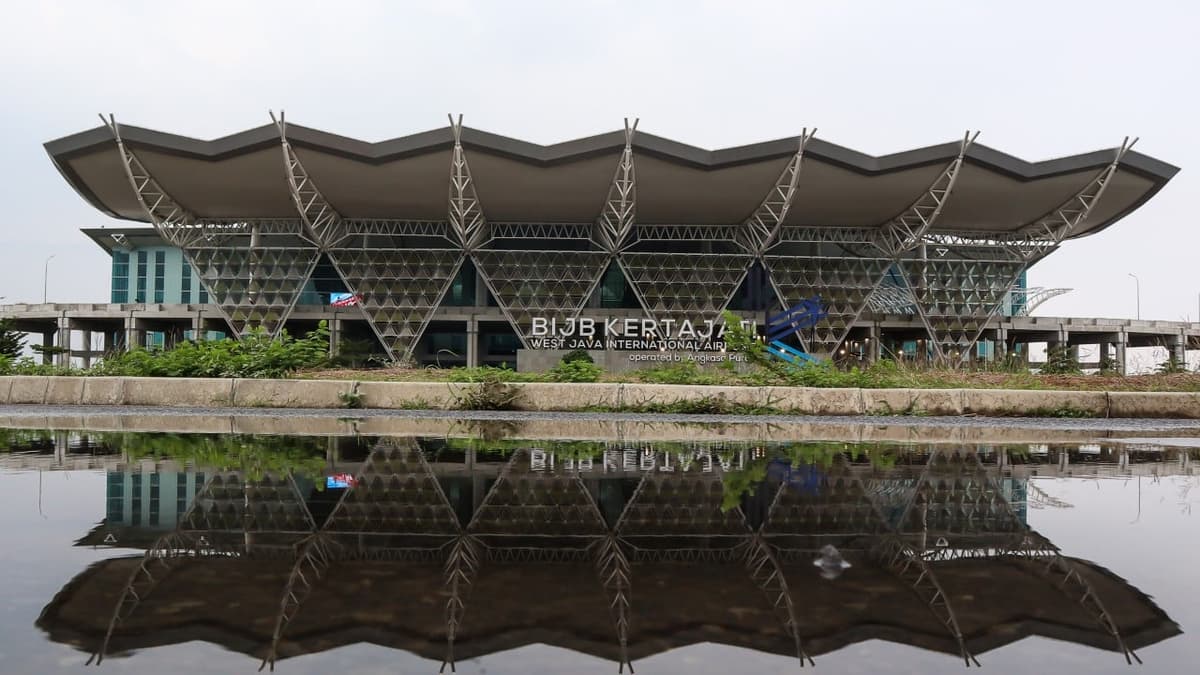
- •Kertajati airport, a underused “ghost” airport, selected for the MRO
- •Deal raises questions about Jakarta’s non‑aligned foreign policy
- •US airspace access LoI stops short of binding commitment
- •China may view the hub as compromising Indonesian neutrality
Pulse Analysis
Indonesia’s acceptance of a U.S. proposal to turn the under‑used Kertajati airport into a maintenance, repair and overhaul (MRO) centre for Lockheed C‑130 Hercules aircraft marks the first such facility in Southeast Asia. The move aligns with Washington’s push to disperse logistical support across the region, while Jakarta frames it as a commercial‑type partnership that respects its “free and active” foreign policy. By offering a 3,000‑metre runway and ample land, Kertajati could become a hub for allied air operations, but the decision also tests the limits of Indonesia’s long‑standing non‑aligned stance.
The MRO hub promises tangible economic upside for a airport that has struggled to attract airlines, potentially generating jobs and ancillary services for the West Java region. Defence Minister Sjafrie Sjamsoeddin highlighted the project’s role in strengthening Indonesia’s strategic aviation logistics and reducing reliance on foreign depots. In parallel, state‑owned shipbuilder PT PAL has signaled readiness to service U.S. Navy vessels, expanding the scope of defence cooperation beyond aircraft. These initiatives could boost the domestic defence industry and position Indonesia as a logistical gateway for U.S. forces operating in the Indo‑Pacific.
Nevertheless, the partnership carries geopolitical risk. Beijing has already warned that a U.S. maintenance facility could erode Jakarta’s neutrality, especially if a Taiwan‑related conflict forces the hub to support combat operations. International law, such as the 1923 Hague Rules, restricts belligerent use of neutral territory, leaving Indonesia vulnerable to accusations of partiality. The recent letter of intent granting U.S. over‑flight access, while non‑binding, underscores the delicate balance Jakarta must maintain between economic benefits, security cooperation, and the perception of impartiality in a contested region.
Indonesia’s offer to host US military aircraft repair hub tests non-aligned foreign policy
Comments
Want to join the conversation?
Loading comments...