Industry Floods Into Autonomous Vessel Race as U.S. Navy Opens MUSV Marketplace
Companies Mentioned
Why It Matters
Creating a competitive marketplace speeds development, lowers costs, and embeds autonomous vessels as core components of future naval strategy, reshaping maritime warfare.
Key Takeaways
- •Anduril partners with HD Hyundai and Edison Chouest to fast‑track MUSVs
- •Saildrone unveils 52‑m Specter USV for anti‑submarine and strike missions
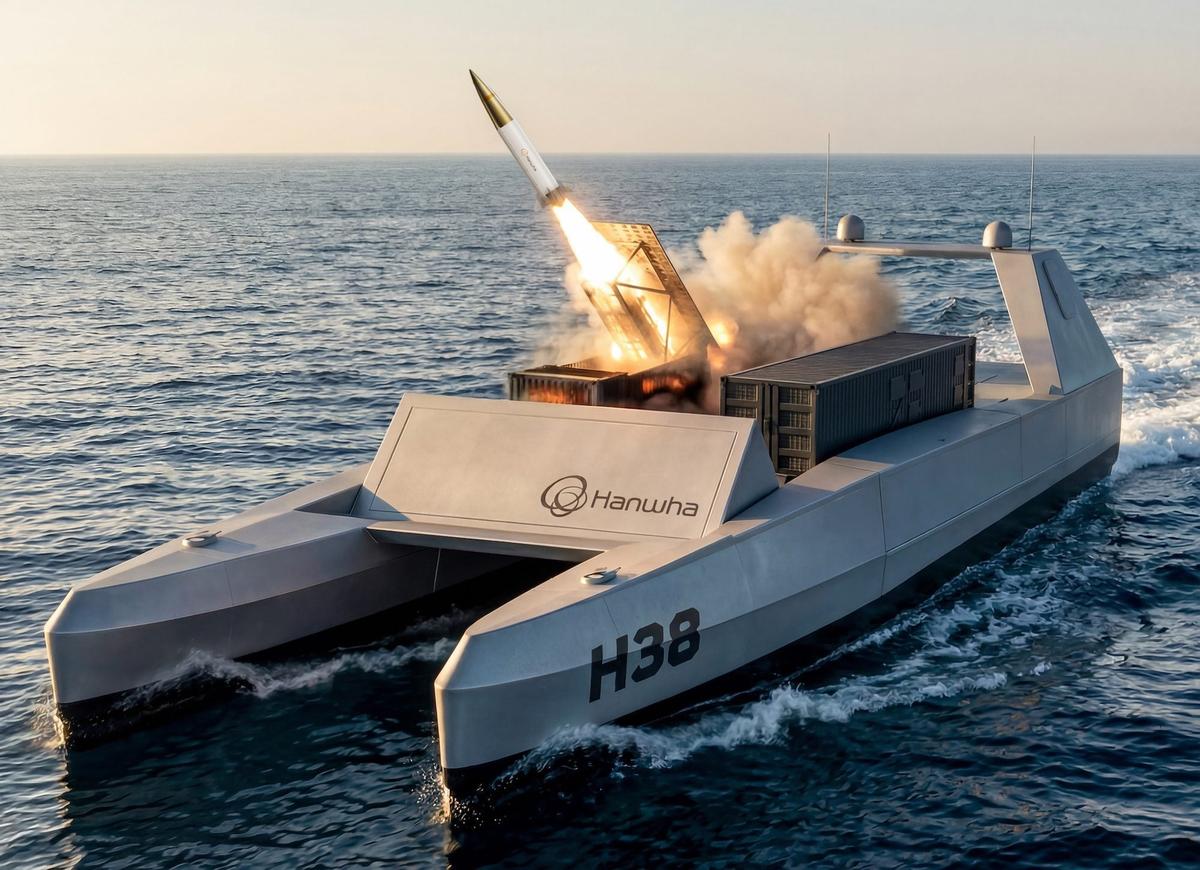
- •Hanwha Defense teams with Magnet Defense on 38‑m rapid‑response MUSVs
- •Navy opens MUSV marketplace, inviting multiple vendors to compete
- •Production‑ready vessels targeted for FY 2027, accelerating naval autonomy
Pulse Analysis
The U.S. Navy’s decision to turn the Medium Unmanned Surface Vessel (MUSV) program into an open marketplace marks a watershed in defense acquisition. By soliciting prototypes from a broad set of commercial shipbuilders and autonomy firms, the service hopes to compress development cycles that traditionally span a decade. This model mirrors successful commercial‑off‑the‑shelf approaches in aerospace and leverages global shipyard capacity, sidestepping the bottlenecks of legacy naval yards. The move also signals a strategic pivot: autonomous surface combatants are now viewed as essential building blocks of the future fleet rather than experimental add‑ons.
Industry response has been swift and diverse. Anduril Industries has stitched together a transnational supply chain with HD Hyundai’s high‑throughput hull production and Edison Chouest Offshore’s U.S. integration capabilities, promising rapid low‑cost delivery. Saildrone’s 52‑meter Spectre platform pushes the envelope of payload flexibility, accommodating containerized missiles, advanced sonar and strike weapons, while its partnership with Lockheed Martin and Fincantieri Marinette Marine ensures weapons‑system compatibility. Meanwhile, Hanwha Defense USA and Magnet Defense are fielding a 38‑meter, long‑range MUSV that blends Korean manufacturing scale with American autonomy software, illustrating how defense primes are courting niche tech firms to accelerate entry.
The accelerated timeline—on‑water testing this year and initial production slated for fiscal year 2027—creates both opportunity and pressure. If multiple designs reach low‑rate production within two years, the Navy could field a heterogeneous fleet capable of swapping ISR, anti‑submarine and strike modules on demand, reshaping maritime doctrine. Competitors will likely vie for the same contracts, driving down costs and spurring innovation in modular payload bays, AI‑driven navigation and cyber‑resilient communications. Ultimately, the MUSV marketplace could become a template for future naval programs, embedding commercial best practices into the heart of U.S. maritime power.
Industry Floods Into Autonomous Vessel Race as U.S. Navy Opens MUSV Marketplace
Comments
Want to join the conversation?
Loading comments...