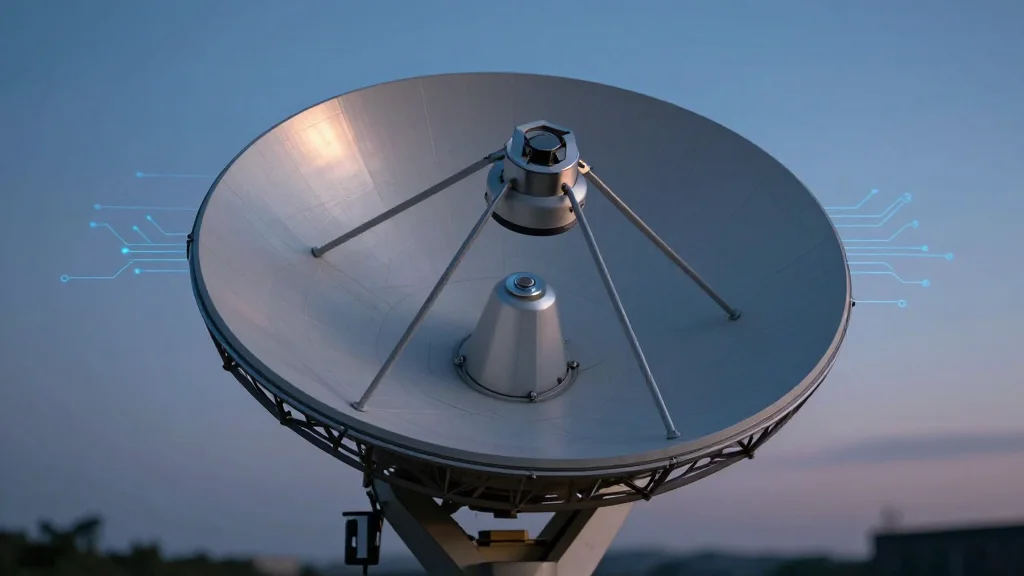
Information Fires: Building C-C5ISRT Advantage in Competition
Why It Matters
Accelerating C‑C5ISRT capabilities will close the deterrence gap against gray‑zone threats and ensure the U.S. can shape adversary decision‑making before kinetic war begins.
Key Takeaways
- •Adversaries use gray‑zone C5ISRT to shape perceptions before conflict.
- •US joint force lacks rapid acquisition and measurement for info‑war deterrence.
- •Recommendations call for software‑defined warfare, streamlined ATO, and AI tools.
- •Congress urged to fund flexible, cross‑service software development and coordination.
- •FIWCPAC model proposed as template for all combatant commands.
Pulse Analysis
In today’s great‑power competition, information has become the first battlefield. China’s "VOLT TYPHOON" pre‑positioning of cyber actors and Russia’s relentless hybrid campaigns illustrate how adversaries exploit digital networks to influence cognition, sentiment, and policy without firing a shot. The U.S. military’s traditional kinetic focus leaves a critical blind spot: the ability to detect, disrupt, and counter these low‑intensity C5ISRT operations before they crystallize into open conflict. Building a robust C‑C5ISRT posture therefore requires not only advanced technology but also a strategic mindset that treats informational effects as integral to deterrence.
The primary obstacles are institutional rather than technical. Current acquisition cycles, often exceeding a year for software authorizations, cannot keep pace with the rapid evolution of AI‑driven analytics and adversary tactics. Moreover, joint doctrine lacks a unified definition of C5ISRT, leading to fragmented planning across services. Measurement challenges compound the problem: without real‑time sentiment analytics, commanders cannot assess whether a naval transit or a public‑affairs campaign actually influences adversary cognition. Cultural resistance to delegating informational authority to lower echelons further slows adoption, while siloed authority‑to‑operate processes add bureaucratic drag.
To bridge the gap, the authors recommend a coordinated overhaul: Congress should create flexible software‑funding streams and align fiscal rules with the Adaptive Acquisition Framework; the Office of the Secretary of Defense must embed C‑C5ISRT policy within the Under Secretary for Research and Engineering and accelerate the Joint Rapid Acquisition Cell to include AI solutions; the Joint Staff should codify a standard C5ISRT lexicon and integrate it into the Joint Warfighting Concept. Services need risk‑based ATO timelines of 60 days, AI‑enabled tools at operational centers, and joint training that embeds public‑affairs and intelligence early in officer careers. Finally, expanding the FIWCPAC model across combatant commands and partnering with industry for real‑time data collection will give the joint force the agility required to shape adversary decision cycles and preserve strategic advantage.
Information fires: Building C-C5ISRT advantage in competition
Comments
Want to join the conversation?
Loading comments...