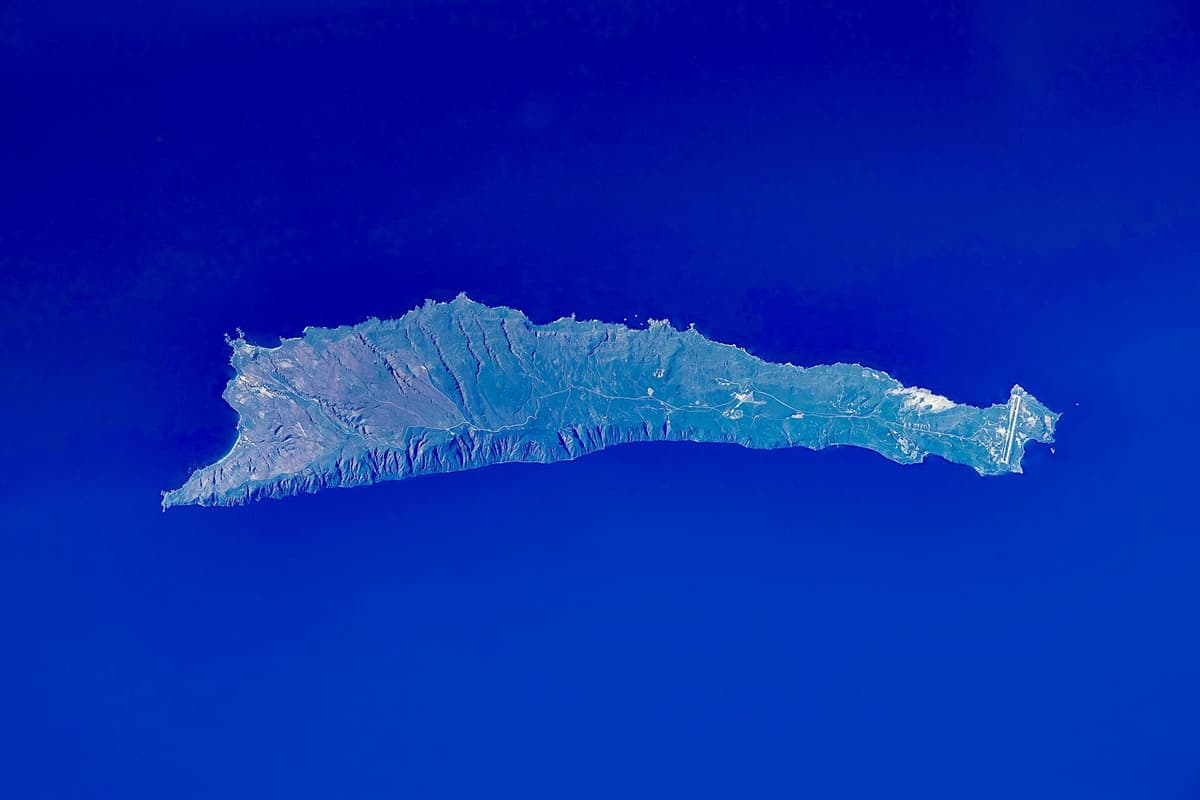
Inside California’s Forbidden Navy Island ‘Covered in Unexploded Bombs’ (Video)
Why It Matters
The island’s dual role as a premier combat training range and a sanctuary for rare wildlife illustrates how national security and environmental stewardship can intersect, influencing policy on military land use.
Key Takeaways
- •San Clemente Island hosts only simultaneous ship, air, ground live‑fire training.
- •Unexploded ordnance blankets the island, enforcing strict civilian prohibition.
- •Five endemic species recently removed from the endangered list.
- •Military drills coexist with rare habitats, showcasing a unique stewardship model.
Pulse Analysis
San Clemente Island, the Navy’s flagship live‑fire range in the Channel Islands, has become a focal point for discussions about balancing defense imperatives with environmental responsibility. The island’s remote location, 50 miles off Orange County, allows the service to conduct high‑intensity exercises that integrate naval vessels, aircraft, and ground forces in a single training window—an capability unmatched on the mainland. This concentration of firepower, however, leaves a legacy of unexploded ordnance that renders the 57‑square‑mile landmass permanently off‑limits to the public, raising safety and liability concerns for the Department of Defense.
Beyond its tactical value, San Clemente Island harbors a surprisingly rich ecosystem. Endemic species such as the San Clemente Loggerhead Shrike, Bell’s sparrow, and several rare plant taxa have thrived in the island’s scrubland, largely because human intrusion is minimal. Recent conservation successes, including the delisting of five species from the Endangered Species Act, demonstrate how restricted access can inadvertently protect biodiversity. These outcomes have spurred collaboration between the Navy’s environmental office and federal wildlife agencies, creating a model for habitat preservation on active military lands.
The coexistence of rigorous training and fragile habitats on San Clemente Island offers a case study for policymakers grappling with land‑use conflicts nationwide. As the Navy modernizes its training syllabus to incorporate emerging technologies like autonomous drones, the island’s ordnance cleanup and habitat monitoring programs will need sustained funding and inter‑agency coordination. Stakeholders—from defense contractors to conservation NGOs—are watching closely, recognizing that the island’s experience could shape future guidelines for integrating ecological stewardship into the core mission of U.S. armed forces.
Inside California’s Forbidden Navy Island ‘Covered in Unexploded Bombs’ (Video)
Comments
Want to join the conversation?
Loading comments...