Inside Pakistan’s Pivot: From Assembling Kits to Designing Advanced Defence Solutions
•February 24, 2026
0
Why It Matters
By securing design rights, Pakistan reduces vulnerability to sanctions and positions itself as a credible exporter of advanced defence platforms, potentially reshaping regional arms markets.
Key Takeaways
- •Pakistan now designs, not just assembles, defence systems.
- •IP ownership enables cost control and export flexibility.
- •Midstream capabilities target UAVs, missiles, artillery, frigates.
- •Partnerships with Turkey, Saudi Arabia diversify supply chain.
- •Shift reduces vulnerability to foreign OEM sanctions.
Pulse Analysis
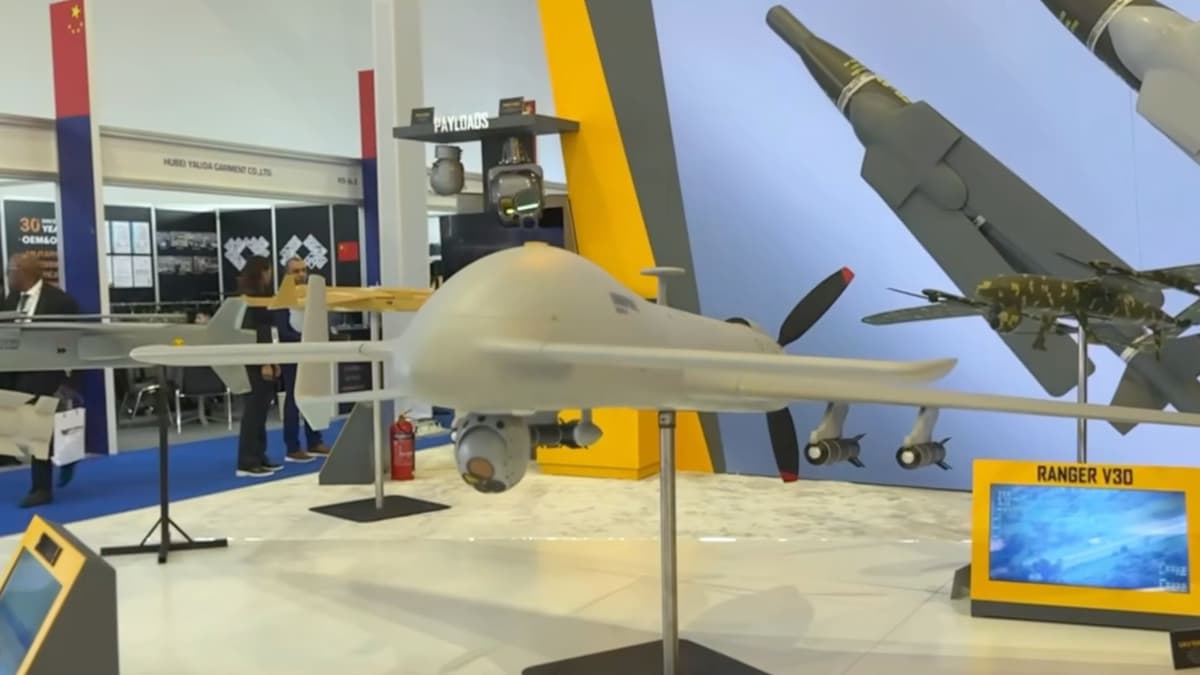
The 2026 World Defence Show in Riyadh marked a turning point for Pakistan’s defence sector, as state‑owned firms moved from license‑built kits to home‑grown design and systems integration. Global Industrial and Defence Solutions rolled out a portfolio that includes the Shahpar‑II/III UAVs, Blaze loitering munitions and air‑launched cruise missiles such as Taimur, while Heavy Industries Taxila unveiled a 155 mm wheeled howitzer developed for Saudi Arabian Military Industries. Karachi Shipyard’s contract for the first Jinnah‑class frigate, co‑designed with Turkey’s ASFAT, further signals a deliberate pivot toward intellectual‑property ownership.
Pakistan’s new approach reshapes the traditional defence supply chain by emphasizing midstream activities—flight‑control software, guidance modules, electronic warfare suites—rather than pure downstream assembly. By retaining design rights, local SOEs can dictate alloy specifications, subsystem selection and production schedules, mitigating the risk of sanctions or OEM withdrawal. Although upstream inputs such as titanium, composites and semiconductors remain import‑heavy, the ability to integrate these components into proprietary platforms creates higher margin opportunities and builds a foundation for future indigenous R&D.
The strategic shift opens export avenues across the Middle East, Europe and other middle‑power markets. With the P251 howitzer already marketed to Saudi Arabia and the Jinnah‑class frigate positioned for regional navies, Pakistan can offer ready‑to‑produce designs that attract foreign R&D funding while leveraging a diversified supplier base. Collaborations with Turkey, Brazil and Eastern‑European firms reduce dependence on any single OEM, enhancing resilience. If the midstream ecosystem continues to mature, Pakistan could emerge as a cost‑effective designer‑integrator, challenging established players in niche missile, UAV and naval segments.
Inside Pakistan’s Pivot: From Assembling Kits to Designing Advanced Defence Solutions
0
Comments
Want to join the conversation?
Loading comments...