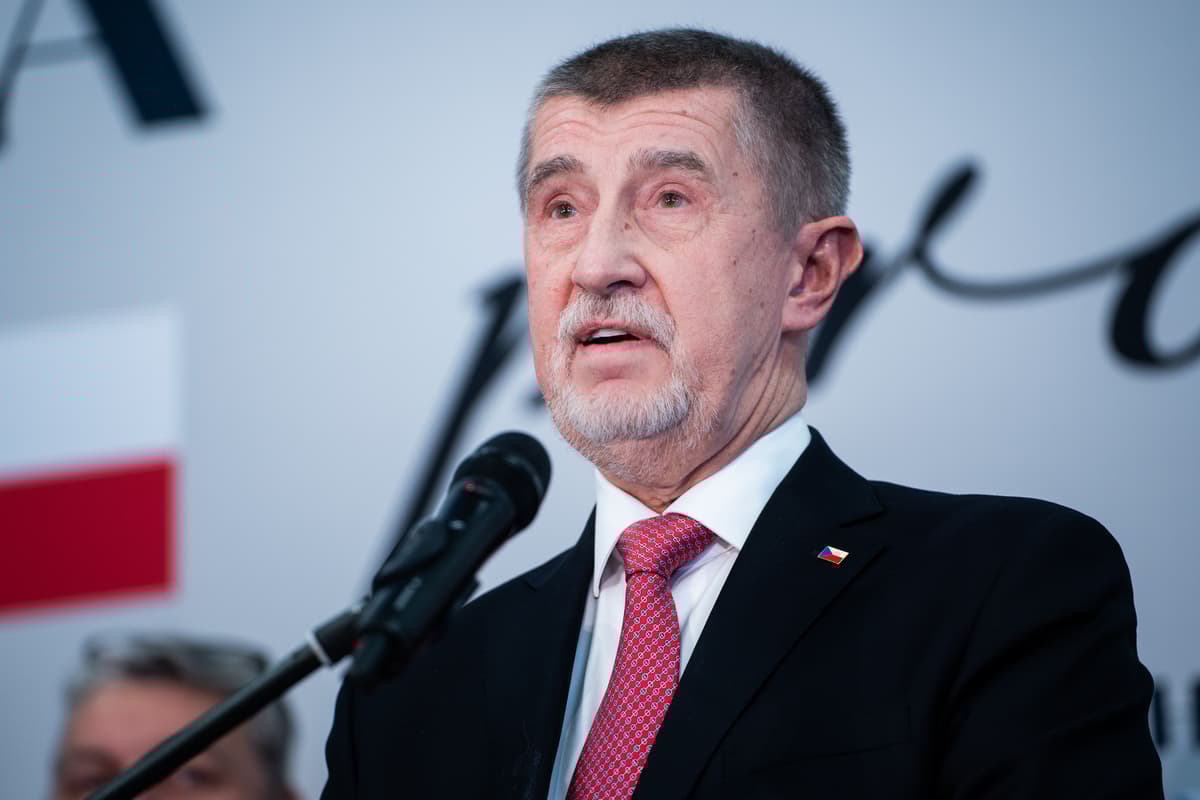
Inspired by Macron’s Speech, Czechia’s Babiš Wants in on Nuclear Deterrence Initiative
Why It Matters
Babiš’s shift signals deeper European strategic autonomy and could reshape NATO’s nuclear‑sharing dynamics, while also testing Czechia’s limited defense budget.
Key Takeaways
- •Babiš confirms Czechia will explore joining France's nuclear deterrent
- •France aims to expand its nuclear umbrella to Central Europe
- •Poland also negotiating participation in Macron's advanced deterrence plan
- •Czech defense budget constraints may limit deeper cooperation with France
Pulse Analysis
Andrej Babiš, once a vocal advocate of diplomacy‑only security, has pivoted dramatically since losing the 2023 presidential race to General Petr Pavel. Now heading a coalition government, Babiš used a social‑media video to confirm Czechia’s intent to explore participation in President Emmanuel Macron’s pan‑European nuclear deterrence project. The announcement underscores a broader reassessment within Prague of how to guarantee national security amid an increasingly unpredictable Russian threat and doubts about the United States’ long‑term NATO commitment. By signaling openness to nuclear collaboration, Babiš is aligning Czech foreign policy with a growing European push for strategic autonomy.
Macron’s “advanced deterrence” concept seeks to extend France’s independent nuclear umbrella beyond its own borders, offering intelligence sharing, radar integration and potential warhead protection to willing partners. France maintains roughly 290 warheads, deployed on four Triomphant‑class submarines and Rafale fighters equipped with ASMP‑A missiles, making it the EU’s sole nuclear power after Britain’s exit from the bloc. The initiative has already attracted interest from Poland, the Czech Republic, Germany, the Netherlands, Belgium, Greece, the United Kingdom and Sweden, though Paris has yet to publish a detailed roadmap.
For Prague, the prospect of joining the French deterrent arrives at a time of fiscal strain; the Babiš government has cut its contribution to the Czech ammunition initiative that supplies Ukraine, and overall defense spending remains constrained. Participation could unlock access to French technology and deepen bilateral procurement, but it may also require new budget allocations. Regionally, a French‑led nuclear umbrella could dilute reliance on U.S. nuclear sharing, reshaping NATO’s internal balance and offering Central European states a complementary security layer as the continent confronts an assertive Russia.
Inspired by Macron’s speech, Czechia’s Babiš wants in on nuclear deterrence initiative
Comments
Want to join the conversation?
Loading comments...