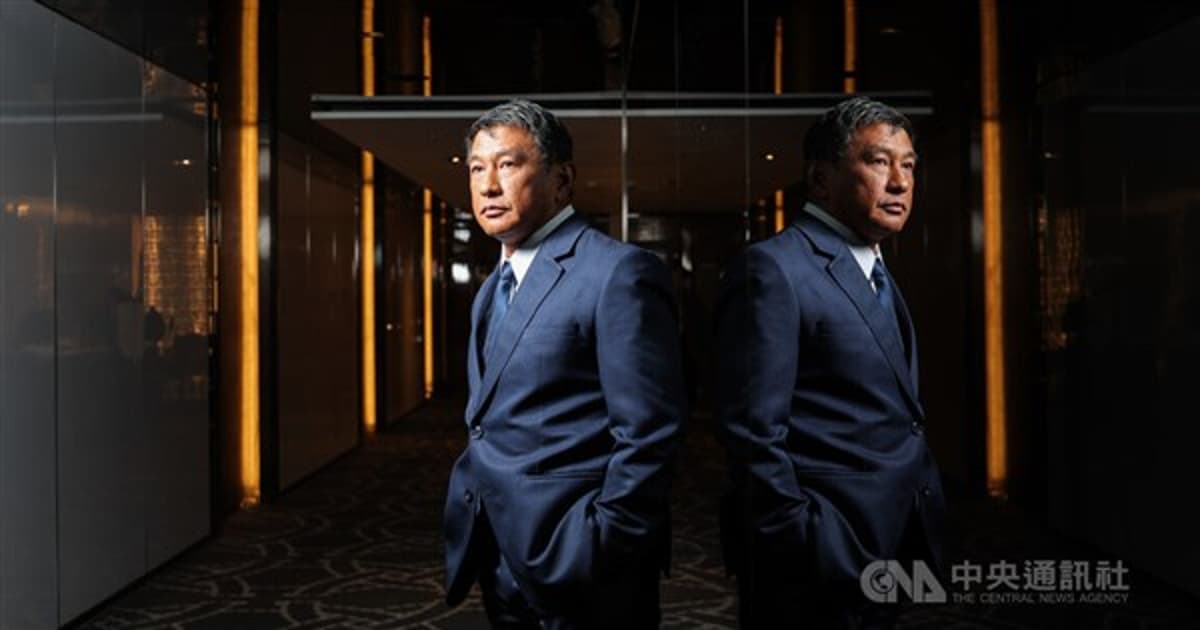
Interoperability Crucial for Taiwan Evacuation: Ex-Philippine Army Official
Why It Matters
Coordinated evacuation capabilities reduce humanitarian risk and signal collective resistance to Chinese aggression, reinforcing regional stability. The proposal also highlights the strategic importance of joint legal and informational defenses against Beijing’s coercive tactics.
Key Takeaways
- •Regional interoperability needed for mass evacuation of Taiwan non‑combatants
- •Philippines can host thousands of evacuees but requires international support
- •Legal, temperate, transparent response recommended against China's ICAD tactics
- •Strengthening formal and informal info sharing between Manila and Taipei essential
Pulse Analysis
The prospect of a Chinese assault on Taiwan has pushed regional leaders to rethink civilian protection strategies. Guinid’s call for a scenario‑based evacuation framework reflects a growing consensus that traditional, nation‑centric disaster response is insufficient when confronting a high‑intensity conflict. By mapping worst‑case evacuation routes and pre‑positioning resources in Luzon, the Philippines could serve as a primary reception hub for Taiwanese, American and other foreign nationals, provided that neighboring states contribute logistics, transport assets and diplomatic clearance.
Implementing such a plan hinges on robust interoperability mechanisms. Joint exercises, shared command structures, and standardized communication protocols would enable rapid coordination among military, civil authorities and humanitarian agencies across the Indo‑Pacific. The Philippines, while geographically positioned to receive evacuees, lacks the capacity to manage a large‑scale operation alone; multilateral support—potentially from the United States, Japan and Australia—would fill critical gaps in medical care, shelter and repatriation services. Moreover, legal frameworks, such as mutual assistance treaties and UN‑mandated evacuation guidelines, can streamline cross‑border movements and reduce bureaucratic delays.
Beyond the logistics of moving people, Guinid emphasizes the battle for perception. China’s “cognitive warfare” seeks to manipulate public opinion in Taiwan and the Philippines through disinformation campaigns. Transparent information sharing, media engagement and civic education are therefore essential components of any resilience strategy. By aligning legal, diplomatic and informational tools, Manila and Taipei can present a unified front that deters aggression, safeguards their populations, and reinforces the broader security architecture that underpins U.S. interests in the region.
Interoperability crucial for Taiwan evacuation: Ex-Philippine Army official
Comments
Want to join the conversation?
Loading comments...