Why It Matters
The clash underscores the fragility of a critical oil chokepoint and raises the risk of broader escalation that could disrupt global energy markets and diplomatic efforts to de‑escalate U.S.–Iran tensions.
Key Takeaways
- •Iran launched missiles and drones at three U.S. destroyers in Hormuz
- •U.S. CENTCOM struck Iranian launch sites, command centers, and intelligence nodes
- •Both sides claim no damage to U.S. vessels; impact remains unclear
- •Trump warned of harsher retaliation if Iran delays deal
Pulse Analysis
The Strait of Hormuz remains one of the world’s most vital maritime arteries, funneling roughly 20% of global oil shipments. Its narrow geography makes it a natural flashpoint, and any disruption can reverberate through commodity markets. Over the past months, the United States has maintained a naval presence and a de‑facto blockade to pressure Tehran over its nuclear program, while Iran has repeatedly signaled willingness to challenge that posture. The latest exchange of fire highlights how quickly tactical skirmishes can flare in such a high‑stakes environment.
In Thursday’s encounter, Iranian forces deployed a mix of short‑range missiles and unmanned aerial vehicles against three U.S. destroyers transiting the waterway. U.S. Central Command (CENTCOM) responded with precision strikes on Iranian launch sites, command centers and intelligence nodes, claiming the Iranian projectiles were intercepted without damage to U.S. vessels. Both militaries have offered conflicting accounts of the damage inflicted, leaving analysts uncertain about the true operational impact. Simultaneously, diplomatic channels remain active, with a one‑page memorandum under negotiation to halt hostilities and lay groundwork for a broader settlement.
The incident carries immediate implications for energy markets and regional stability. Even a brief interruption in Hormuz can trigger spikes in oil prices, prompting investors to reassess risk premiums on Middle‑East supply. Moreover, the rhetoric from President Trump—portraying the action as a “love tap” yet warning of harsher retaliation—adds a political dimension that could influence future U.S. rules of engagement. For policymakers, the challenge lies in balancing deterrence with the need to keep the strait open, while Tehran weighs the costs of escalation against its strategic objectives. The coming weeks will be critical in determining whether this skirmish remains isolated or escalates into a broader confrontation.
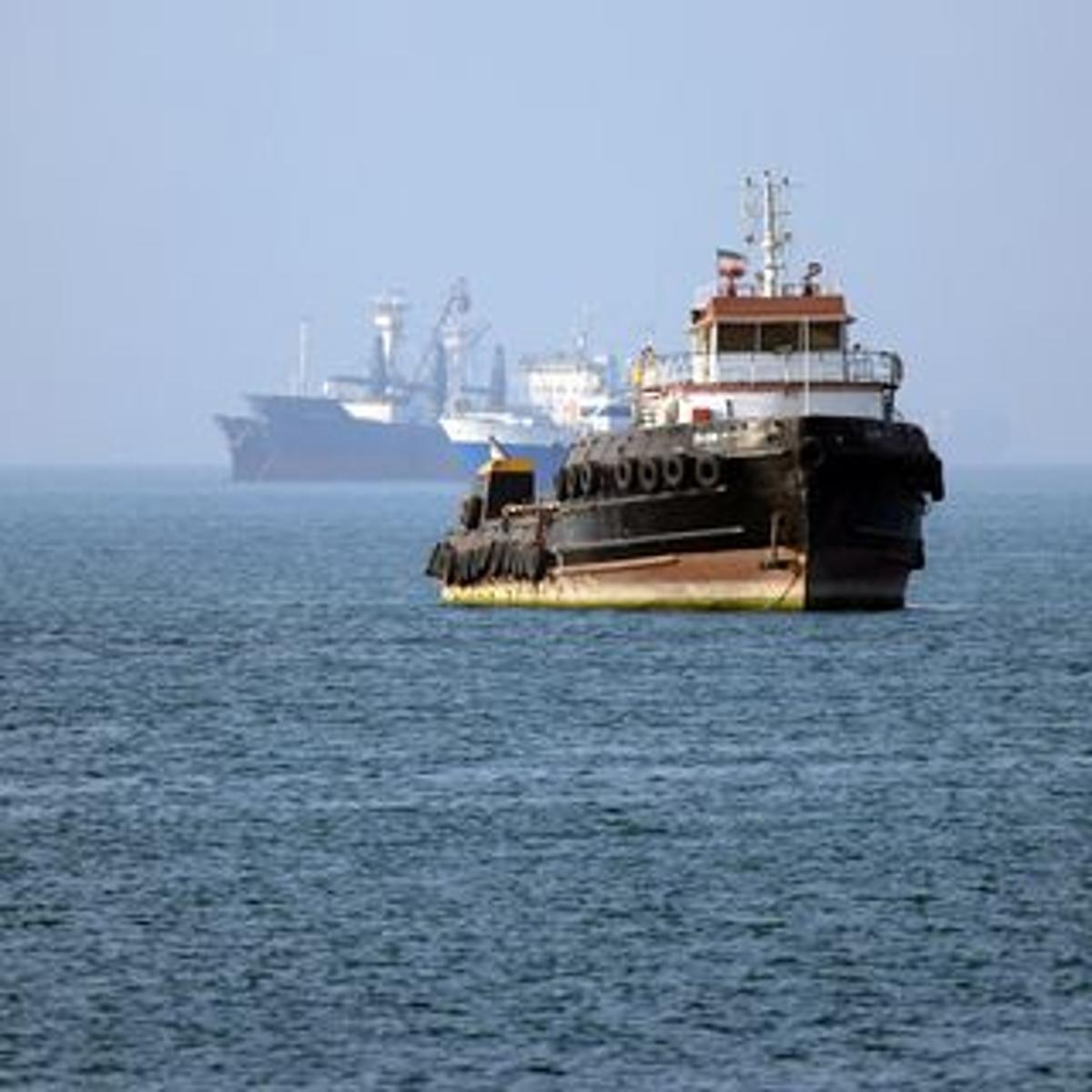
Iran and U.S. exchange fire in Strait of Hormuz
Comments
Want to join the conversation?
Loading comments...