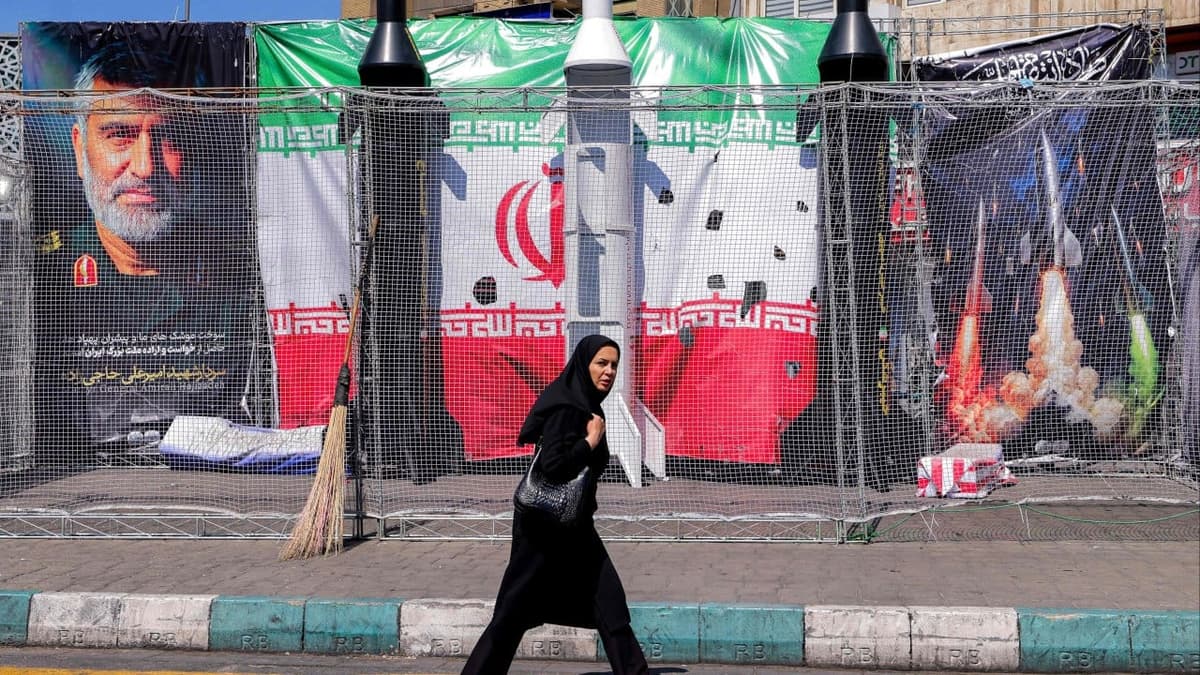
Iran Calls for ‘Human Chains’ Around Its Power Plants Before US Deadline
Why It Matters
The standoff threatens global oil flow through a chokepoint that handles a fifth of world oil, while the threat of infrastructure attacks raises serious legal and humanitarian concerns.
Key Takeaways
- •Trump threatens to bomb Iran's power plants by deadline
- •Iran urges 14 million volunteers to form human chains
- •US and Israel airstrikes have killed dozens across Iran
- •Oil prices surged above $111 per barrel amid conflict
- •International bodies warn strikes may violate war‑crime laws
Pulse Analysis
The Strait of Hormuz remains one of the world’s most critical maritime arteries, funneling roughly 20% of daily oil shipments. President Trump’s ultimatum ties the reopening of this passage to a stark threat of massive aerial bombardment of Iran’s civilian energy grid. Such a move would not only cripple Iran’s domestic power supply but also set a precedent for targeting non‑military infrastructure, potentially reshaping the rules of engagement in modern conflicts.
Iran’s call for human chains around power plants reflects a blend of symbolic resistance and practical deterrence. By mobilising 14 million volunteers—double previous enlistments—the regime aims to create a physical and psychological barrier against any strike, leveraging the nation’s youthful demographic. This tactic, reminiscent of past civilian shield formations around nuclear sites, underscores Tehran’s strategy of intertwining national pride with defensive posturing, while also signaling to domestic audiences that the government remains resolute under external pressure.
The ripple effects extend far beyond the region. Brent crude’s climb above $111 per barrel illustrates how geopolitical flashpoints can instantly shock commodity markets, inflating transportation costs worldwide. Simultaneously, warnings from the UN and European ministries about potential war‑crime violations heighten diplomatic stakes, urging a return to negotiations. As both sides juggle military posturing and back‑channel talks, the world watches for any shift that could either stabilize oil flows or plunge the global economy into deeper uncertainty.
Iran calls for ‘human chains’ around its power plants before US deadline
Comments
Want to join the conversation?
Loading comments...