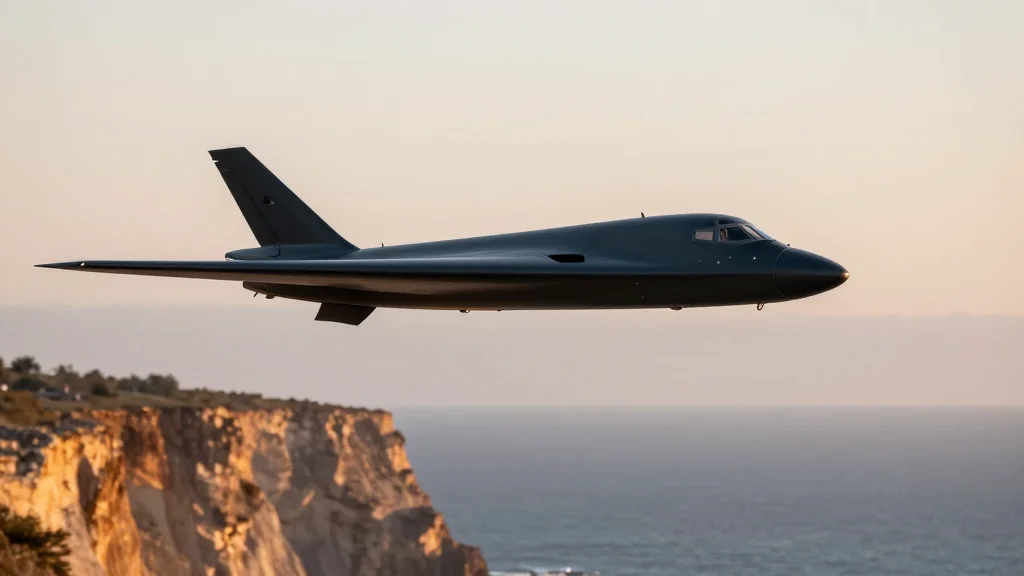
Iran Campaign Demonstrates Need for More B-21s
Why It Matters
A larger, modern bomber fleet ensures credible long‑range strike capability and reduces reliance on expensive stand‑off missiles, directly affecting U.S. deterrence and power projection.
Key Takeaways
- •Iran ops revealed shortage of stealth bombers for sustained campaigns
- •Current fleet: 19 B‑2s, 76 B‑52s, 46 B‑1Bs, all aging
- •Experts recommend at least 200 B‑21s for future conflicts
- •Air Force plans 25% increase in B‑21 production capacity
- •Extending B‑1/B‑2 service life buys time for B‑21 rollout
Pulse Analysis
The recent Operations Midnight Hammer and Epic Fury against Iran have served as a live‑fire laboratory for the United States’ long‑range strike architecture. By deploying the full spectrum of its bomber fleet—19 stealth B‑2s, legacy B‑52s and B‑1Bs—the Air Force demonstrated that intercontinental reach and survivability remain decisive in shaping the battlefield. The missions proved that high‑altitude, low‑observable platforms can strike deep inside hostile airspace while preserving crew safety, a capability that stand‑off cruise missiles alone cannot replicate. This operational proof point underscores why bombers are still the cornerstone of strategic airpower.
However, the same operations exposed a stark quantitative shortfall. The existing inventory, built largely before the 1970s, can only generate a fraction of the sorties required for a protracted campaign. Analysts estimate that a conflict with a peer competitor such as China would demand roughly ten times the sortie rate achieved in Iran, translating to a need for at least 200 next‑generation B‑21 Raiders. The Air Force’s recent decision to boost B‑21 production capacity by 25 percent and to extend the service lives of B‑1s and B‑2s into the 2030s buys time, but without a sizable B‑21 fleet the United States risks a “bomber bathtub” that erodes deterrence.
From a fiscal perspective, expanding the B‑21 force is more cost‑effective than relying on ever‑more expensive stand‑off weapons. A stealth bomber can carry a mix of conventional and precision‑guided munitions that are cheaper to produce and replenish than multimillion‑dollar cruise missiles. Moreover, a robust bomber enterprise enhances credibility with allies and complicates adversary planning, reinforcing the United States’ global power‑projection posture. Policymakers therefore face a clear trade‑off: invest now in a larger, modern bomber fleet to secure long‑term strategic flexibility, or accept a capability gap that could limit response options in future high‑intensity conflicts.
Iran Campaign Demonstrates Need for More B-21s
Comments
Want to join the conversation?
Loading comments...