Companies Mentioned
Why It Matters
The outcome will shape U.S. defense spending, sanctions policy, and Middle‑East supply chains, while Iran’s economic trajectory influences regional energy markets and global trade flows.
Key Takeaways
- •Iran's war with the U.S. mirrors early stages of Vietnam conflict.
- •Post‑war Vietnam leveraged market reforms to become a trade hub.
- •Iran faces destroyed steel plants, UAE as adversary, and sanctions.
- •Experts warn Iran lacks a supportive Shiite bloc unlike Vietnam's past allies.
- •A pragmatic shift could turn Iran from isolation to economic revival.
Pulse Analysis
The United States’ nine‑year confrontation with Iran over the Strait of Hormuz bears an uncanny resemblance to the early phase of the Vietnam War, where a superpower became mired in a protracted, costly engagement. Washington’s strategy of escalation, followed by mounting casualties and domestic backlash, mirrors the pattern that ultimately forced American troops out of Saigon in 1975. Analysts warn that if the conflict drags on without a clear victory, political pressure at home could compel a hasty withdrawal, reshaping U.S. defense budgets and Middle‑East policy.
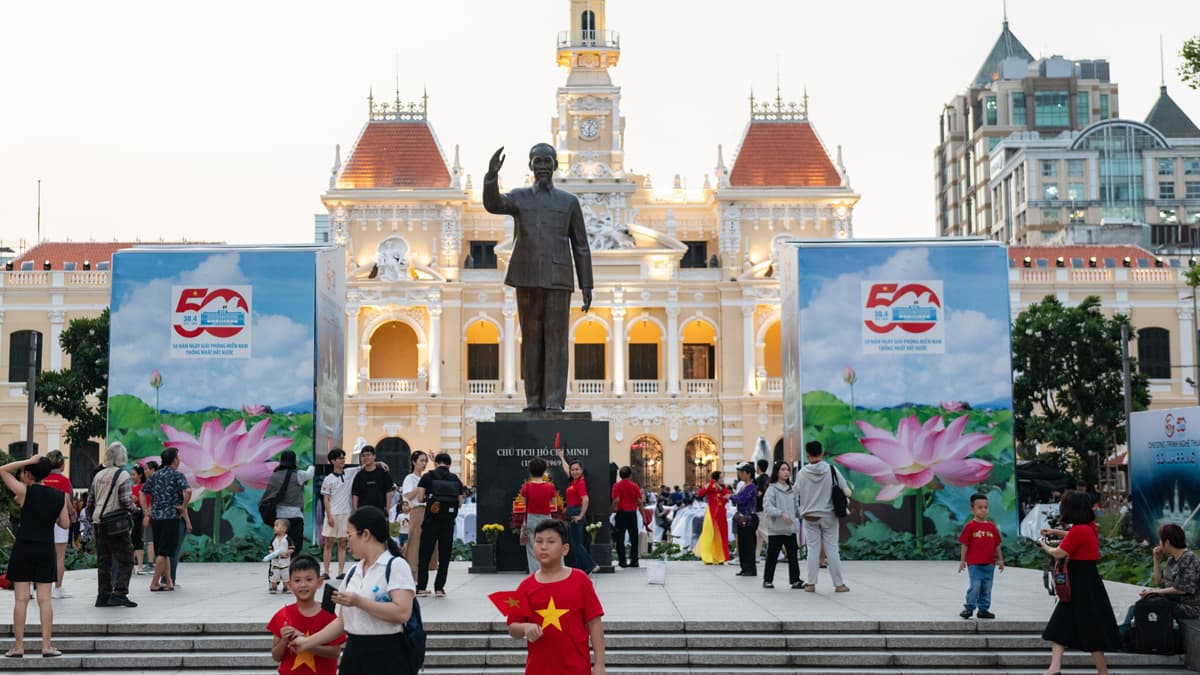
Vietnam’s post‑war recovery offers a roadmap for a war‑torn nation seeking legitimacy and growth. After two decades of isolation, Hanoi opened its economy, attracted foreign direct investment, and integrated into global supply chains, eventually signing a comprehensive strategic partnership with Washington in 2023. The country’s pivot to market‑based reforms turned it into a manufacturing powerhouse and a consumer market for U.S. brands. For Iran, embracing similar reforms—privatizing state‑run enterprises, easing currency controls, and courting multinational firms—could unlock the $600 billion of untapped trade potential in the region.
Today Iran confronts a cascade of structural setbacks: its steel mills lie in ruins, the United Arab Emirates has become a strategic foe, and sanctions choke oil revenues. Moreover, unlike Vietnam’s erstwhile backing from the Soviet bloc, Tehran lacks a cohesive Shiite alliance to offset diplomatic isolation. A pragmatic shift toward negotiation, perhaps leveraging the Strait of Hormuz fees as a bargaining chip, could halt the economic bleed and open pathways to reconstruction financing. Investors watching the Middle East will weigh the likelihood of such a turn, as it would reshape energy logistics and create new market entry points for U.S. and European firms.
Iran Could Speedrun the Vietnamese Path
Comments
Want to join the conversation?
Loading comments...